Choosing the 2026 best Cat Antiseptic Wipes requires more than comparing fragrance, packaging, or online ratings. Cat owners need evidence about ingredients, skin tolerance, moisture balance, and intended use. The American Pet Products Association’s 2023–2024 National Pet Owners Survey reported that approximately 46.5 million U.S. households owned cats. That large population supports demand for practical hygiene products, but it does not prove that every wipe is medically suitable. The distinction matters.
Market research from Grand View Research also places the global pet care market at substantial value, with hygiene products gaining visibility through e-commerce and professional grooming channels. However, available reports usually group wipes with broader pet-care categories. They rarely isolate Cat Antiseptic Wipes. This is an important limitation, not a detail to hide. Product comparisons should therefore examine veterinary guidance, label transparency, preservative systems, and real handling experience.
Dr. Jane Brunt, a feline veterinarian and former president of the American Association of Feline Practitioners, has often emphasized, “Cats are masters at hiding illness.” That warning applies directly here. A wipe may remove surface dirt around a paw or minor skin area, but it should not conceal swelling, heat, discharge, pain, or a worsening wound. Gentle handling matters. A cold, strongly scented sheet can turn a calm grooming session into a struggle. The best 2026 choices should balance convenience with restraint, clear instructions, and credible safety information. Even this approach needs reflection: “antiseptic” sounds reassuring, yet stronger is not always safer for cats.
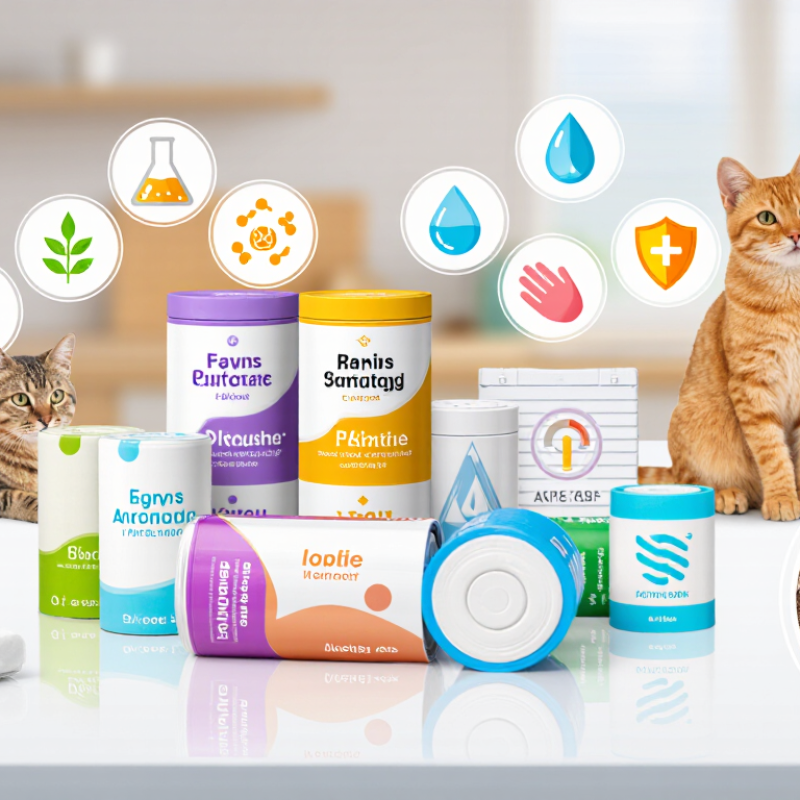
Cat antiseptic wipes are pre-moistened cloths designed to clean minor surface contamination from fur or skin. They may contain veterinary-selected agents, such as chlorhexidine, but formulas differ greatly. A wipe works in two ways. The cloth physically lifts dirt, discharge, and loose microbes. The active ingredient then reduces remaining microorganisms during its stated contact time. Wiping too quickly can reduce that effect. Avoid eyes, ears, mouths, and deep wounds unless a veterinarian approves the product.
Demand is understandable. The 2024–2025 APPA National Pet Owners Survey reports about 49.6 million U.S. households owning cats. FEDIAF’s 2024 European facts report estimates roughly 127 million cats across Europe. These figures show why convenient hygiene products matter to global buyers. Still, I would not call every cleaning wipe antiseptic. That shortcut can mislead. A practical check is the full ingredient list, expiry date, sealed packaging, and clear directions. Cats may lick treated fur, so residue safety matters. “Natural” does not automatically mean harmless.
Tips: Choose cat-specific wipes with veterinary guidance. Use one gentle pass, not vigorous scrubbing. Stop if redness, swelling, or licking increases. Never use household disinfectant wipes. For persistent odor, pus, bleeding, or hair loss, seek veterinary care. A wipe can support hygiene, but it cannot diagnose infection.
2026 Best Cat Antiseptic Wipes for Global Buyers?
Key Ingredients and Safety Standards for Global Cat Owners
In practical cat care, ingredient clarity matters more than attractive packaging. Gentle wipes may contain hypochlorous acid or veterinary-directed chlorhexidine. Concentration matters. More is not always safer. Avoid alcohol, bleach, phenols, and strong essential oils, which may irritate skin or harm cats after licking. Fragrance-free formulas are usually easier to assess. Still, “natural” does not automatically mean safe.
Check the full ingredient list, intended animal use, expiry date, batch number, and storage instructions. Reliable manufacturers usually provide traceable production details and clear contact information. Look for quality systems such as good manufacturing practices, but remember that requirements differ between countries. A safety claim should match local veterinary and regulatory expectations. Marketing language alone proves little.
Use wipes only on small, superficial areas unless a veterinarian advises otherwise. Keep them away from eyes, mouths, deep wounds, and damaged ear canals. Test a small patch first, then watch for redness, swelling, or repeated licking. Dispose of each wipe after one use. I have learned that convenience can encourage over-cleaning, which may delay healing. Cats also groom constantly, so residue deserves attention. When ingredients, directions, and independent veterinary advice disagree, pause and ask a qualified professional.
Representative active-ingredient concentrations found in veterinary topical antiseptic products. Concentration alone does not determine safety or effectiveness; always follow the product label, prevent eye and oral contact, and verify authorization requirements in the destination market.
Values shown: chlorhexidine 2%, povidone-iodine 10%, benzalkonium chloride 0.13%, and hypochlorous acid 0.02% (200 ppm). These are representative labeled concentrations, not recommended treatment doses or direct measures of safety. Global buyers should check ingredient disclosure, lot and expiry information, directions for cats, and applicable veterinary-product or biocidal-product regulations in the target country.
2026 Best Cat Antiseptic Wipes for Global Buyers?
Choosing cat wipes starts with the skin problem, not the package design. For daily paw cleaning, select fragrance-free wipes with gentle, cat-safe ingredients. They should remove litter dust without leaving a greasy film. For chin folds, use a soft, low-moisture wipe. Excess dampness may encourage irritation. Sensitive cats need fewer additives, not stronger formulas.
For suspected bacterial or fungal issues, do not rely on appearance alone. Redness, odor, scaling, swelling, or repeated licking can have different causes. A veterinarian should guide treatment, especially when skin is broken. Avoid human disinfectant wipes, alcohol, bleach, strong essential oils, and products containing harsh perfumes. Never wipe near the eyes, mouth, or inside the ears unless the label clearly allows it.
Global buyers should check the ingredient list, expiry date, batch details, and sealed packaging. Follow the directions for contact time and disposal. Local regulations may classify antiseptic products differently, so verify the label in the destination market. Patch testing a small area can be sensible, but it is not foolproof. A wipe may feel gentle and still cause irritation later. Stop use if redness increases. Use clean hands, one wipe per area, and a separate towel for drying. Over-cleaning is an easy mistake; healthy skin often needs less handling.
When comparing cat antiseptic wipes for 2026, start with ingredient safety. Choose formulas designed for feline skin, with clear concentrations and directions. Avoid strong fragrance, harsh alcohol, and unnecessary essential oils. Cats groom treated areas, so residue matters. A short ingredient list is easier to assess.
Check the wipe material and moisture level. The fabric should feel soft, but remain strong around paws and skin folds. A wipe that dries quickly may provide poor coverage. Single-use packaging helps limit contamination during travel or grooming. Look for sealed packs, batch details, expiry dates, and readable instructions. Global buyers should also check storage requirements and translated safety information.
Practical testing reveals small differences. A good wipe should open smoothly and leave minimal lint. It should not make the coat sticky. Use only on external areas, and keep it away from eyes, mouths, and deep wounds. Veterinary advice is important when redness, swelling, discharge, or pain continues. I would not trust a product based only on “natural” wording. That claim can sound reassuring but says little about safety. My own comparison method still has limits, because cats react differently to preservatives and textures. A patch check may help, but it cannot replace professional guidance. Fresh packaging matters. Controls matter more.
For global cat owners, antiseptic wipes should support hygiene, not replace veterinary care. Choose wipes clearly labeled for cats, with a full ingredient list, batch number, expiry date, and usage directions. Avoid products containing bleach, strong fragrances, or essential oils. Cats groom constantly, so residue matters. Use one wipe on external, intact skin, then prevent licking until the area dries. Never clean eyes, mouth, deep wounds, or surgical sites without veterinary advice.
Storage can quietly affect safety. Keep sealed packs away from sunlight, heat, and bathroom humidity. A cool cupboard is usually better than a windowsill. Close the lid immediately after removing one wipe. Discard dried, discolored, swollen, or unusually scented packs. FEDIAF’s 2024 Facts and Figures report counted about 108 million cats in Europe, showing why consistent storage guidance matters across different climates. Tropical shipping may expose wipes to heat for weeks. That risk is easy to overlook.
International buyers should verify the destination country’s labeling and import requirements before payment. Check the manufacturer’s contact details, country of origin, net quantity, and translated instructions. Grand View Research projects continued growth in the global pet care products market, but market growth does not prove product quality. A weak buying habit is trusting reviews alone. Compare veterinary guidance, safety documentation, and independent testing when available. I would also photograph the seal and lot code on arrival. It feels excessive, yet it helps when the package arrives warm or damaged.
Call us at (516) 858-2492
for a free estimate or simply click the button below: