Choosing the 2026 best reformer Pilates machine is not about finding one perfect model. Global buyers face different studios, budgets, climates, shipping routes, and safety expectations. A compact home reformer may suit a small apartment, while a commercial studio needs stronger frames, smoother carriage movement, and replaceable parts.
Joseph Pilates, the founder of the method, wrote, “The Pilates Method teaches you to be in control of your body and not at its mercy.” That principle still matters. A reliable reformer Pilates machine should support controlled movement, stable resistance, and precise alignment. It should not simply look impressive in product photographs.
This guide compares frame materials, spring systems, carriage width, footbar adjustment, noise levels, storage design, and user weight limits. It also considers assembly instructions, warranty coverage, spare-part access, and international delivery conditions. These details can decide whether a machine remains useful after several years.
Small details matter.
For example, a loose shoulder rest can affect confidence during repeated exercises. A rough wheel can disturb rhythm. Poor packaging may create damage before training begins. Some product specifications also remain unclear, which deserves honest attention rather than optimistic assumptions.
The strongest choice depends on your actual training environment. Experienced instructors may prioritize responsive springs and professional durability. Home users may value quiet operation and easy storage. Buyers should verify certifications and local requirements independently, because standards differ across countries.
No ranking can replace hands-on testing. However, careful comparison can reduce expensive mistakes and reveal which reformer Pilates machine offers practical, long-term value in 2026.
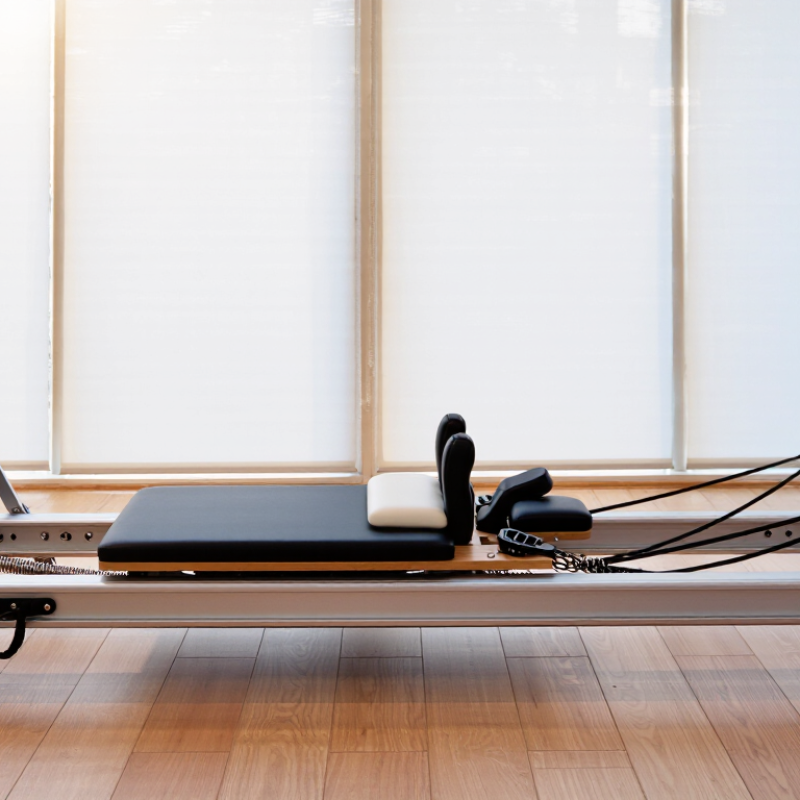
A reformer Pilates machine is a sliding carriage inside a stable frame. It uses springs, ropes, a footbar, shoulder rests, and adjustable straps. Your hands or feet move the carriage while the springs create controlled resistance. The resistance works in both directions, unlike many weight machines.
During a footwork exercise, your heels press the bar and the carriage glides quietly. The springs then guide it back. This demands joint control, trunk stability, and steady breathing. Resistance depends on spring tension, body position, and movement speed. It is not equal to lifting a fixed weight. That detail is often overlooked. A 2023 review in the Journal of Bodywork & Movement Therapies reported promising improvements in balance, flexibility, and muscular endurance, but noted that study quality varied. The evidence is useful, not perfect.
Tips: New users should begin with light resistance and professional instruction. Check the carriage, ropes, springs, and shoulder rests before use. The IHRSA 2024 Global Report recorded more than 180 million health-club members worldwide, showing broad demand for guided exercise spaces. However, popularity does not guarantee suitability. A shorter carriage may limit taller users, while firm springs can challenge beginners quickly. Keep movements smooth. Stop when pain replaces normal muscular effort. A qualified instructor should adjust alignment, especially for users with previous injuries.
A pilates Reformer is a bed-based exercise machine that uses a rolling carriage, adjustable springs, ropes, pulleys and a footbar to create controlled resistance. The chart shows representative full-size reformer dimensions commonly used when evaluating space, setup and transport requirements. Actual specifications vary by model, so buyers should confirm the manufacturer’s measurements and load rating before purchasing.
Global buyers should judge a reformer by daily usability, not polished photographs. The Health & Fitness Association’s 2024 Global Report recorded 184 million fitness-club members worldwide in 2023. This expanding market demands equipment that survives frequent, varied use.
A stable carriage matters first. It should glide quietly without side-to-side movement. Adjustable springs help instructors serve beginners, older adults, and advanced users on one machine. A wide footbar, secure shoulder rests, and clear adjustment points reduce training errors. In practical equipment checks, I also inspect stitching, welds, wheel tracks, and frame balance. Small flaws become expensive problems.
Storage and shipping deserve equal attention. A foldable or vertically storable design can help smaller studios and home users. However, folding parts must lock firmly and resist repeated handling. No shortcut here. Buyers should request replacement-part availability, maintenance instructions, load ratings, and packaging dimensions before ordering internationally. Non-electric equipment usually simplifies market access, but materials and safety claims still need verification in the destination country.
The Global Wellness Institute valued the wellness economy at 6.3 trillion US dollars in 2023 and projects nearly 9 trillion by 2028. That growth increases choice, but it also creates confusing specifications. ACSM’s 2025 Worldwide Survey ranked wearable technology as the leading fitness trend, signaling stronger demand for measurable training. A reformer need not become complicated. Simple progress tracking, multilingual guidance, and durable accessories may matter more than unnecessary screens. The best feature list is still imperfect. Real user testing should challenge it.
For global buyers in 2026, choosing a reformer starts with movement needs, not a fashionable frame. In studio evaluations, I compare carriage travel, spring resistance, and footbar stability under repeated use. A compact home reformer saves space, while a commercial model usually offers heavier construction and wider adjustment ranges. Consider shipping dimensions too. Doorways can be unforgiving. A foldable design may solve storage problems, but its hinges deserve close inspection.
Frame material changes the machine’s feel and service life. Powder-coated steel handles frequent sessions and resists everyday scuffs. Solid wood can feel warm and quiet, yet humidity may affect joints unless sealing is consistent. Aluminum reduces weight, but thin sections may flex under heavier users. I would ask for load ratings, weld details, and replacement-part availability before paying. Marketing photos cannot confirm rigidity.
Adjustability should fit real bodies, not just look impressive. Check whether the footbar has several height positions and whether the shoulder rests can be repositioned without tools. Rope length, pulley height, and spring choices should support both short beginners and tall, experienced users. Smooth changes matter during teaching. I once underestimated carriage noise; it made slow breathing work less comfortable. That mistake changed my checklist. Test the return speed, grip comfort, and cleaning access in person when possible. Measurements alone miss small frustrations.
For global buyers choosing a reformer Pilates machine in 2026, safety should come before appearance or extra accessories. Check the frame for stable joints, secure footbar locks, smooth carriage movement, and clearly marked spring resistance. Shoulder rests should remain firm during transitions. Confirm the recommended user weight and inspect the ropes for fraying. A machine that feels unstable during a slow lunge is not ready for daily training.
Space planning is easy to underestimate. Measure the machine, then leave clear space around both ends and each side. A typical home setup may need room for standing exercises and safe dismounting. Check doorway widths, stair access, ceiling height, and storage options before ordering. I once focused too heavily on folded dimensions; the machine still blocked a narrow walkway. That mistake was avoidable.
Tips: Place the reformer on a level, non-slip surface. Wipe sweat from the carriage and footbar after every session. Inspect springs, wheels, straps, and bolts weekly. In humid regions, check metal parts more often for corrosion. Keep replacement parts available, and verify that manuals and service support cover your country. Maintenance instructions may look simple, yet skipped cleaning can create noisy movement and uneven resistance. A qualified technician should handle complex repairs, especially when the frame or locking system is involved.
Choosing the best reformer Pilates machine starts with the user, not the frame. A beginner may need a stable carriage, clear spring markings, and moderate resistance. A studio needs fast adjustment, quiet wheels, and durable upholstery. A compact home model should fit through doorways and leave safe walking space. Measure the room first. A beautiful machine can become an expensive obstacle.
The Global Wellness Institute reported that the global wellness economy reached 6.3 trillion dollars in 2023. Its physical activity sector accounted for about 1.1 trillion dollars. This growth supports wider equipment demand, but it also increases buyer confusion. Compare verified load limits, carriage travel, spring quality, footbar positions, and warranty coverage. For rehabilitation users, smooth resistance and easy access matter more than advanced accessories. Seek advice from a qualified instructor when pain, surgery recovery, or limited mobility is involved.
Test the machine if possible. Sit, kneel, and adjust every setting. Listen for rattling. Small noises often reveal weak assembly. The ACSM Worldwide Survey of Fitness Trends has repeatedly placed strength and functional training among leading industry priorities, reminding buyers that versatility matters. Still, I would not treat every survey as a buying rule. Report methods differ, and online reviews can overrepresent extreme experiences. Choose transparent specifications, accessible replacement parts, and service support in your country. A cheaper machine may cost more after shipping, repairs, and poor-fitting accessories.
| User Need | Recommended Reformer Type | Key Specification Targets | Recommended Configuration | Main Advantages | Important Trade-Offs | Global-Buyer Checkpoints |
|---|---|---|---|---|---|---|
| Home beginners | Stable manual reformer with a medium-height frame | Overall length: approximately 230–245 cm Width: approximately 60–70 cm Carriage travel: approximately 90–100 cm | 4–5 adjustable springs, padded carriage, shoulder rests, adjustable footbar and a safety strap | Easier to learn, stable during basic movements and suitable for regular home practice | Requires a dedicated floor area and may be too basic for advanced studio programming | Confirm room clearance, assembly requirements, warranty coverage and replacement-part availability |
| Small apartments | Compact or vertically storable reformer | Target length: approximately 210–235 cm Storage option: vertical storage or reduced-depth frame Foldable models should include a secure locking mechanism | Removable footbar, transport wheels, compact frame and clearly specified stored dimensions | Saves floor space and can be moved between sessions | Shorter platforms may provide less space for taller users; folding hardware adds moving parts | Compare both operating and stored dimensions, door width, ceiling height and packaged dimensions |
| Tall users | Full-length reformer with extended carriage travel | Overall length: generally 240 cm or more Carriage travel: approximately 95–105 cm Verify the usable carriage length rather than frame length alone | Adjustable headrest, adjustable shoulder rests and a footbar with multiple positions | Provides better legroom and helps maintain correct alignment during long-range exercises | Larger footprint, higher shipping volume and potentially greater assembly requirements | Check the seller’s recommended user height range and the exact internal carriage dimensions |
| Rehabilitation and low-impact training | Low-profile reformer with precise resistance adjustment | Low platform height: approximately 35–45 cm Smooth carriage movement with controlled spring changes Stable frame with minimal lateral movement | Light spring option, padded shoulder rests, adjustable footbar and non-slip surfaces | Easier access for users with limited mobility and better control for gradual exercise progression | A low frame may be less convenient for users who prefer elevated mounting and dismounting | Confirm clinical suitability with a qualified professional; product specifications do not replace medical advice |
| Advanced home users | Professional-style studio reformer | Full-length frame, adjustable resistance and a robust carriage system User-weight rating should be clearly published and preferably at least 120 kg | 4–5 springs with distinct resistance levels, adjustable footbar, multiple headrest positions and jumpboard compatibility | Supports a wider exercise library and more demanding training routines | Higher purchase cost, greater weight and more space required for safe movement around the machine | Request load testing information, spare spring availability and maintenance instructions |
| Boutique studios | Commercial-grade reformer designed for repeated daily use | Reinforced frame, replaceable carriage wheels and a published user-weight rating Stable operation under repeated sessions | Adjustable footbar, interchangeable springs, jumpboard compatibility and replaceable upholstery components | Better durability, easier standardization across multiple training stations and more efficient maintenance | Higher upfront investment and increased freight cost due to weight and packaging size | Evaluate service response time, commercial warranty terms, spare-part lead times and bulk shipping options |
| Hotels and wellness facilities | Quiet, durable reformer with simple user adjustment | Smooth carriage operation, corrosion-resistant hardware and easy-to-clean upholstery No electrical power required for a standard manual reformer | Clear adjustment markings, robust wheels, replaceable padding and user instructions | Suitable for shared use and easier for staff to inspect between sessions | Requires routine cleaning, spring inspection and user-safety signage | Check local commercial safety requirements, cleaning compatibility and import documentation |
| Frequent international relocation | Modular reformer with serviceable components | Clearly documented disassembled dimensions and package weight Standardized springs, wheels and fasteners that can be replaced individually | Tool-assisted assembly, protective packaging, transport wheels and downloadable instructions | Easier to transport, repair and reassemble after moving between countries | More assembly time and a greater risk of missing hardware if packaging is not carefully managed | Confirm HS code, import duties, local delivery method, replacement-part shipping and voltage requirements if accessories are powered |
| Value-focused buyers | Manual reformer with essential accessories only | Adjustable resistance, stable carriage, padded platform and a published user-weight limit Avoid paying for unused electronic or specialty features | Basic spring set, footbar, shoulder rests and safety strap; add accessories later if compatible | Lower total cost while retaining the core functions required for Pilates reformer training | Fewer adjustment options and limited compatibility with advanced accessories | Compare delivered cost rather than product price alone, including freight, taxes, assembly and after-sales service |
| Premium training environments | High-finish reformer with modular accessories | Robust frame, smooth and quiet carriage, adjustable platform components and durable upholstery User-weight rating and materials should be documented | Jumpboard, box, sitting box, platform extender and multiple spring strengths where required | Offers a broader training experience and a more polished appearance for client-facing spaces | Accessories increase storage needs, total price and shipping volume | Verify accessory compatibility, surface durability, cleaning instructions and long-term parts support |
Call us at (516) 858-2492
for a free estimate or simply click the button below: