Outdoor Wall Lights do more than brighten an entrance. They shape how a home looks after sunset and help people spot steps, house numbers, and door handles. In 2026, popular choices range from classic lantern-style sconces to clean-lined modern fixtures, motion-sensor lights, solar models, and barn lights with broad shades. Each type solves a different problem. A lantern can add character beside a front door, while a downward-facing fixture may reduce glare on a narrow path.
Choosing well means looking beyond appearance. Check the fixture’s weather-resistance rating, the light’s brightness, and whether its beam points where you need it. Warm white light often feels welcoming near seating areas; brighter, cooler light can make practical details easier to see. Not every wall needs the same fixture. A covered porch and an exposed garden wall face different conditions.
Small details matter. So does placement. This guide compares the main types of outdoor wall lights and explains where each one tends to work best. It also considers installation, upkeep, and energy use, so you can narrow your choices before buying. A solar light may be convenient, but a shaded wall can leave it dim. That is easy to overlook. I would also avoid choosing by appearance alone; even a beautiful fixture can disappoint if its light misses the steps. Check the manufacturer’s specifications, and consult a qualified electrician when wiring or installation is uncertain. A little planning helps the light feel useful, not merely decorative.
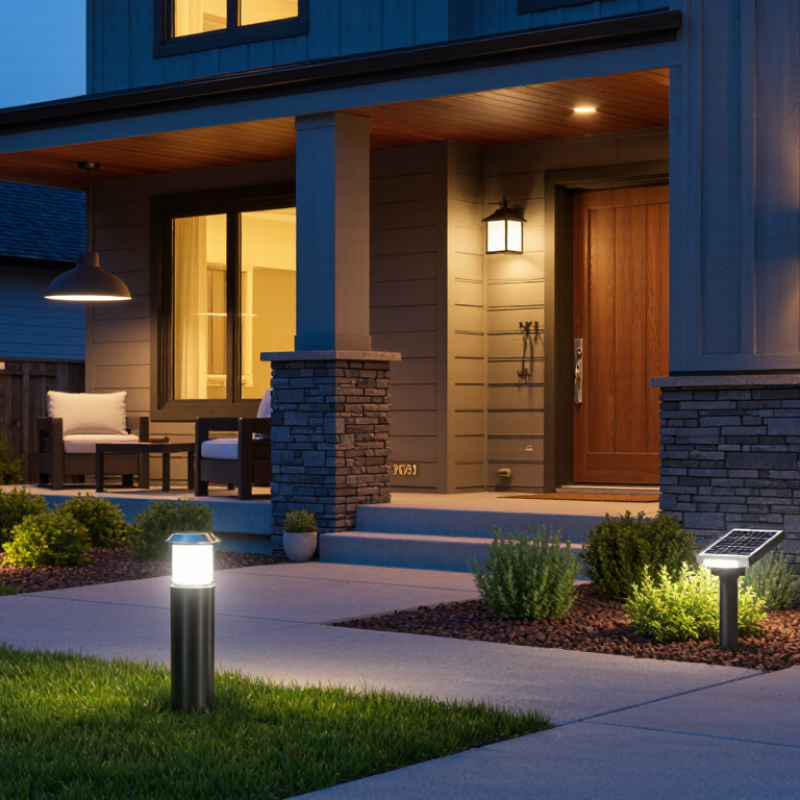
Outdoor wall lights make paths, entrances, and exterior work areas easier to see after sunset. They can also help people identify a doorway or house number from the street. Their usefulness depends on placement, beam direction, and brightness—not just appearance. A light beside a front door should illuminate the lock and nearby steps without shining into a visitor’s eyes. At a garage, wider coverage can help reveal the driveway edge and stored items. Small details matter.
These fixtures are commonly used near entry doors, patios, balconies, side gates, and utility areas. Covered porches can use decorative fixtures, while exposed walls need fittings rated for the local weather. Check the fixture’s outdoor rating and follow its installation instructions. Wet locations need suitable protection. For stairs or narrow paths, even light with fewer dark patches is often more useful than one intense beam. Motion sensors can help in less-used areas, though placement may affect how reliably they respond.
A very bright light can feel harsh against a dark wall. And more light is not always better. Consider where the beam lands, whether neighbors’ windows face it, and whether a qualified electrician should handle wiring. The right choice is sometimes less obvious than it looks.
Outdoor wall lights serve different needs, so start with the wall and the task. A lantern-style fixture adds visible detail beside a front door, while a flush mount suits narrow porches with limited clearance. A simple sconce can light a doorway or side path without taking over the exterior. Gooseneck lights work well above garage doors or signs, where their downward beam keeps light focused.
Beam direction matters. Up-and-down fixtures create a decorative wash on smooth walls, but textured brick can produce uneven shadows. Downlights are practical near steps and entrances, especially when aimed away from eye level. Choose a weather rating suited to the fixture’s exposure, and check the mounting surface before buying. A light that looks balanced online may feel oversized beside a real door. It is easy to overlook that detail.
Tips: Measure the available wall space, including nearby trim and gutters. Compare the fixture’s size with a photo of the exterior. For a welcoming entry, try a warm white tone and enough brightness to see the lock clearly. Avoid relying on appearance alone; glare can make a beautiful fitting uncomfortable at night.
Outdoor wall lights shape where brightness lands, not just how much light a home produces. A downward-facing fixture can brighten a doorstep and reduce glare toward a neighbor’s window. Its narrow beam may leave the edges of a wide porch dim. Small detail, big effect. Up-and-down fixtures create decorative bands on siding, but they may not adequately light steps or a lock.
For broader coverage, look for a shielded fixture with a wider downward spread. A recessed or diffused lens can soften harsh shadows on textured brick. Clear lenses often reveal the light source, which can feel bright when viewed from a path. Not always. A few fixtures with modest output may cover a long wall more evenly than one intense light, especially near entrances and walkways.
Mounting height and nearby surfaces change the result. Light-colored walls reflect more light; dark brick absorbs much of it. Before choosing, consider where people walk and whether the beam reaches the ground without shining into eyes. Test at dusk. Product diagrams are useful, but real walls, eaves, and landscaping can alter coverage. I would leave room for some uncertainty: a fixture that looks balanced in a catalog may cast an unexpected shadow beside a deep doorway.
Fixture shape affects where light goes: downlights direct it toward the ground, up/down fixtures cast light in both directions, and motion security lights are designed for broader, brighter coverage. Bars show representative midpoints of common residential lumen ranges; actual output varies by model.
For 2026, compare outdoor wall lights by what they face: rain, salt air, full sun, or freezing nights. Powder-coated aluminum is lightweight and resists rust, but chipped finishes can expose the metal beneath. Stainless steel suits exposed locations; near the coast, 316-grade steel generally handles chloride exposure better than ordinary steel. It costs more. Copper develops a natural patina, which some homeowners like and others find uneven.
Check the IP rating, not just the fixture’s “weather-resistant” description. IEC 60529 defines protection ratings: IP44 protects against splashing water, while IP65 is dust-tight and protected against water jets. These ratings do not guarantee resistance to corrosion, so inspect seals, screws, and finish materials too. A covered porch needs less water protection than a wall exposed to driving rain. I would still check the installation instructions.
Power choice changes daily use. The U.S. Department of Energy reports that LEDs use at least 75% less energy than incandescent lamps and can last up to 25 times longer. Hardwired fixtures offer dependable operation, while solar lights avoid wiring but rely on adequate daylight. Check whether nearby trees shade the panel, especially in winter. Low-voltage systems can suit paths and garden walls, but confirm transformer capacity before adding fixtures. A bright specification alone tells little; look for the lumen output and beam direction you need.
Match an outdoor wall light to the house before choosing its style. Look at the wall’s material, the door hardware, and the roofline. A narrow fixture often suits a slim entry, while a broader lantern can balance a wide garage wall. Hold a paper outline against the siding to judge scale. It is a simple test.
Also check where the light lands: a bright beam aimed at a neighbor’s window can feel harsh, even when the fixture looks subtle in a catalog. DarkSky International’s Five Principles recommend using light only when needed, directing it carefully, keeping levels modest, and choosing warmer colors.
Next, consider exposure and upkeep. A covered porch can shelter delicate finishes; an open, rainy wall needs a fixture rated for its location. Check the product’s weather rating and installation instructions rather than guessing.
For lower energy use, the U.S. Department of Energy reports that residential LEDs use at least 75% less energy and last up to 25 times longer than incandescent lighting. Choose a warm LED that makes brick and wood look natural, then add a dimmer or timer if compatible.
One detail is easy to miss: even a beautiful light may feel oversized after dark. Recheck the scale from the walkway, not just up close.
Call us at (516) 858-2492
for a free estimate or simply click the button below: