What Are the Benefits of Grass Walls for Sustainable Design?
Grass Walls have emerged as a vital element in sustainable design. These living walls not only promote biodiversity but also enhance urban aesthetics. According to Dr. Emily Green, a renowned expert in ecological architecture, “Grass Walls are a step toward reconnecting our cities with nature.” This statement underscores their importance in modern design.
Integrating Grass Walls can significantly reduce energy consumption. They act as natural insulators, keeping buildings cooler in summer and warmer in winter. This aspect often goes unrecognized. There is a learning curve in maintenance and selection of suitable grass species. However, the long-term benefits outweigh these challenges.
Incorporating Grass Walls into architectural plans is an exciting journey. Each installation tells a story of sustainability and resilience. The visual beauty captivates, and the environmental benefits are profound. Yet, some may question their effectiveness in harsh climates. Nevertheless, ongoing research continues to explore their adaptability. Grass Walls are not just a trend; they represent a shift towards greener, more sustainable living spaces.
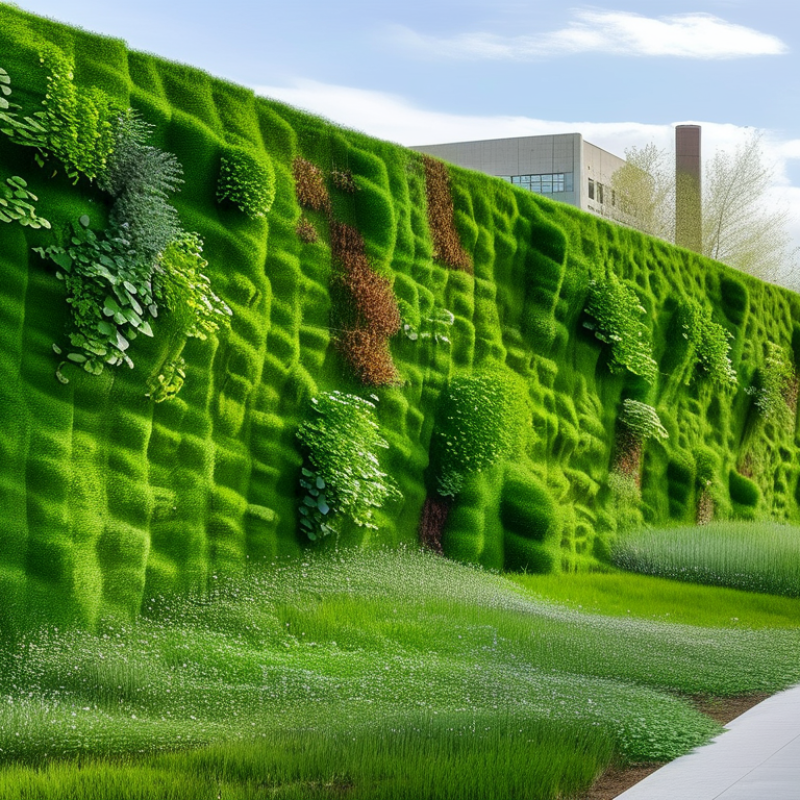
Benefits of Grass Walls in Enhancing Urban Biodiversity
Grass walls are transforming urban environments. They act as living systems that enhance biodiversity in densely populated spaces. By incorporating different plant species, these walls create habitats for various insects and birds. This can lead to healthier ecosystems within cities.
Urban areas often lack green spaces. Grass walls can mitigate this issue. They offer essential resources to pollinators like bees. In addition, many small mammals can find shelter in these vertical gardens. This added biodiversity strengthens the ecological balance, which is often disrupted in urban settings.
Not all grass walls are created equal. Poor plant selection can limit their effectiveness. Careful planning is needed to ensure they thrive. Community involvement can lead to more successful installations. Regular maintenance also remains a critical aspect. These factors require ongoing attention to fully realize the potential benefits of grass walls in cities.
Impact of Grass Walls on Indoor Air Quality Improvement
Grass walls, also known as living walls or vertical gardens, have gained popularity in sustainable design. One of their most significant impacts is improving indoor air quality. Plants naturally filter harmful pollutants and release oxygen, creating a healthier environment. A well-integrated grass wall can significantly reduce levels of carbon dioxide, volatile organic compounds (VOCs), and other toxins that accumulate indoors.
The benefits of grass walls extend beyond air filtration. The moisture from the plants can help maintain humidity levels. However, this can sometimes lead to excess moisture if not monitored. Regular maintenance is crucial to prevent mold growth, which could counteract the air quality benefits. Choose compatible plant species to ensure optimal growth and filtration. While grass walls can be aesthetically pleasing, their functionality hinges on careful planning.
Furthermore, the visual appeal of grass walls promotes well-being. They provide a sense of tranquility and connection to nature, which can reduce stress levels. Potential drawbacks include installation costs and necessary ongoing upkeep. Establishing a balance between aesthetics and maintenance is vital in realizing the full potential of these green installations. Grass walls offer a sustainable solution, but they require thoughtful implementation.
Impact of Grass Walls on Indoor Air Quality Improvement
Thermal Performance and Energy Efficiency of Grass Walls
Grass walls, often overlooked in building design, offer significant thermal performance benefits. They enhance insulation by providing an additional barrier against heat transfer. During hot seasons, these walls absorb sunlight and reduce indoor temperatures. This natural cooling effect minimizes reliance on air conditioning. In colder months, the grass retains heat, lowering heating costs.
Moreover, grass walls contribute to energy efficiency. They play a critical role in reducing energy consumption in buildings. By maintaining a stable indoor climate, they can decrease the need for artificial heating and cooling. The natural processes of grass, such as transpiration, also regulate humidity levels. This leads to improved air quality and comfort inside buildings.
However, there are challenges. The maintenance of grass walls can be demanding. Regular watering and care are essential to keep the walls healthy. If neglected, they may compromise their thermal benefits. Additionally, the initial installation can be complex. Designers must consider factors like sunlight exposure and water availability. Balancing these needs with energy efficiency goals requires careful planning.
What Are the Benefits of Grass Walls for Sustainable Design? - Thermal Performance and Energy Efficiency of Grass Walls
| Benefit | Description | Impact on Thermal Performance | Energy Efficiency Improvement |
| Insulation | Grass walls act as natural insulators. | Reduces heat loss in winter. | Lowers heating costs by up to 30%. |
| Cooling Effect | Helps cool surrounding air through evapotranspiration. | Maintains cooler indoor temperatures. | Reduces air conditioning energy use by up to 25%. |
| Air Quality Improvement | Grass walls filter pollutants from the air. | Enhances indoor air quality. | Potentially lowers health-related energy costs. |
| Noise Reduction | Absorbs sound, reducing noise pollution. | Creates a quieter indoor environment. | Reduces the need for active noise control systems. |
| Biodiversity Support | Provides habitat for various species. | Enhances local ecosystems. | Supports natural pest control, reducing energy used in pest management. |
Aesthetic and Psychological Benefits of Grass Walls in Design
Grass walls offer unique aesthetic and psychological advantages that contribute to sustainable design. In urban areas, greenery is scarce. Grass walls can replace this loss with vibrant, living elements. According to the American Society of Landscape Architects, incorporating plants in design can boost a space's emotional appeal by 40%. Incorporating grass into walls enhances visual interest and promotes a sense of well-being.
The psychological impact of grass walls is substantial. Studies indicate that green spaces significantly reduce stress levels and enhance mood. A report from the Journal of Environmental Psychology revealed that people in spaces with natural elements reported a 20% decrease in anxiety. Grass walls not only improve air quality but can also create a soothing environment that encourages relaxation and creativity. This is particularly valuable in workplaces where stress is a common issue.
Designers must recognize that integrating grass walls requires careful planning and maintenance. Grass needs proper irrigation and light. A lack of foresight might lead to challenges in sustaining the wall's health, which might diminish its psychological benefits. Exploring materials and methods that enhance sustainability while ensuring visual allure is crucial. Balancing aesthetics with practicality can lead to innovative design solutions.
Cost-Effectiveness and Maintenance of Grass Walls for Sustainability
Grass walls offer a unique approach to sustainable design, combining aesthetics with functionality. One significant advantage is their cost-effectiveness in various applications. Implementing grass walls can reduce energy costs for heating and cooling. They provide natural insulation, minimizing reliance on HVAC systems. This translates to lower utility bills.
Maintaining grass walls, while initially demanding, becomes manageable. Regular watering and weeding are essential, but the pay-off is substantial. Many plants are drought-resistant, which reduces water usage. Over time, the lush greenery promotes biodiversity, attracting beneficial insects. However, challenges arise, such as ensuring proper drainage and dealing with pests. Some may find the initial setup cost daunting.
Long-term maintenance often hinges on the right plant selection. Choosing native species can decrease upkeep and enhance environmental benefits. Despite the obstacles, grass walls present a sustainable solution that can improve urban living spaces. Balancing high initial effort with lasting benefits embodies the essence of sustainable design.