10 Best French Doors Aluminum Options for Global Buyers
Choosing the right French Doors Aluminum system can shape a building’s comfort, appearance, and long-term performance. For global buyers, the decision involves more than attractive glass panels. Frame strength, thermal breaks, drainage design, hardware quality, and installation support deserve close attention. A beautiful door can still disappoint when seals fail or measurements are inaccurate.
This guide reviews 10 Best French Doors Aluminum Options for Global Buyers through a practical, evidence-based lens. Each option should be considered for its material grade, powder-coating durability, glass configuration, opening style, and maintenance requirements. Coastal homes may need stronger corrosion resistance. Cold climates may benefit from insulated profiles and low-emissivity glass. High-traffic commercial spaces often require reinforced hinges and dependable locking systems.
Details matter.
Based on common project experience, performance depends on the complete door assembly, not the frame alone. Buyers should request test data, product drawings, warranty terms, and installation instructions from established manufacturers. Regional building codes and energy standards must also be confirmed before purchase. These requirements vary widely between markets, so a product suitable for one country may need adjustments elsewhere.
There is no perfect choice for every property. Even experienced buyers can overlook drainage paths, threshold height, or replacement-hardware availability. This comparison may not answer every project question, but it offers a clearer starting point. By examining design, engineering, certification, supplier reliability, and total ownership cost, readers can make a more confident and realistic decision.
What Are Aluminum French Doors and How Do They Work?
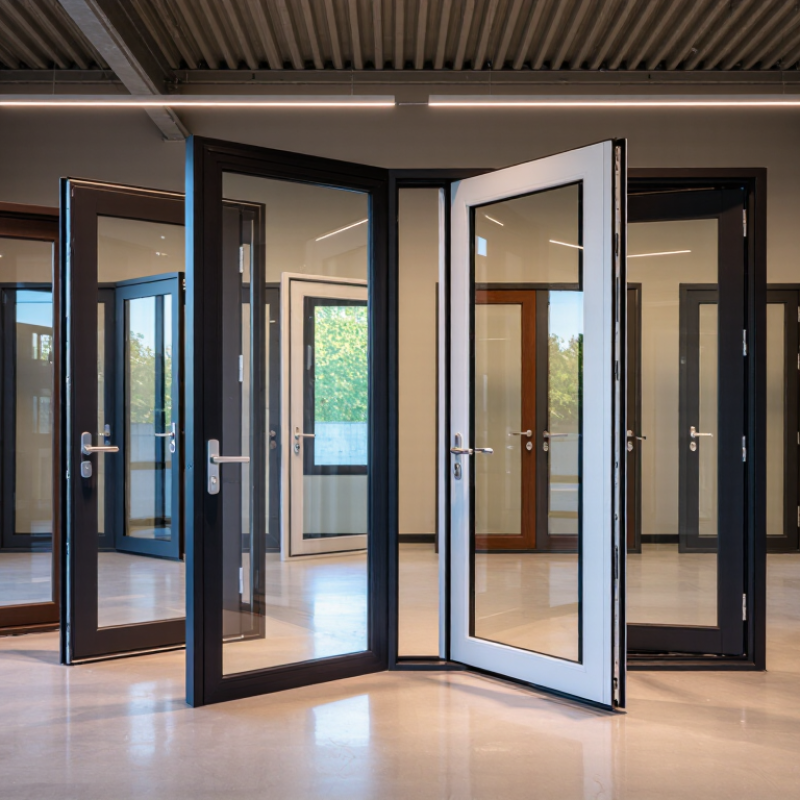
Aluminum French doors are paired hinged doors with large glass panels and a slim metal frame. Unlike sliding doors, both panels swing from side hinges. One active panel usually opens first, while the second panel releases through flush bolts. This design creates a wide passage for gardens, balconies, and interior rooms.
The aluminum frame supports the glass, hardware, seals, and locking points. When the handle turns, a multipoint lock can engage along the door height. Compression seals then press against the frame, limiting drafts and rain entry. Thermally broken profiles use an insulating strip between inner and outer aluminum sections. This detail reduces heat transfer, which matters in both cold and hot climates. Low-emissivity double glazing may improve comfort further, though glass performance depends on the complete window system.
A practical inspection should check hinge strength, drainage paths, seal contact, and frame alignment. Wide doors can become heavy, especially with thick insulating glass. Installation errors may cause rubbing, air leakage, or difficult locking. Aluminum is durable, but it is not magic. Dark finishes can become very hot in strong sunlight, and poor drainage can still create problems. Global buyers should confirm opening direction, local wind requirements, glass specifications, and replacement hardware availability before ordering. Small details matter.
Ten Leading Aluminum French Door Options for Global Buyers
Ten Leading Aluminum French Door Options for Global Buyers
Global buyers can compare ten practical aluminum French door options: thermally broken, double-glazed, triple-glazed, slimline, low-threshold, inward-opening, outward-opening, acoustic, coastal-grade, and oversized configurations. Each suits a different project. Thermally broken frames reduce heat transfer through the metal. Triple glazing can improve insulation, but it adds weight and cost. Low-threshold designs help accessibility, although drainage needs careful detailing. Coastal-grade finishes resist harsh air better, yet they still require routine cleaning. Oversized leaves create drama, but hinges and hardware face greater loads.
The International Aluminium Institute reports that building and construction represent roughly one-quarter of global aluminum demand. The International Energy Agency states that buildings consume about 30% of global final energy. These figures make frame insulation and glazing selection important, not decorative.
In my project reviews, installation quality often decides performance. A well-rated door can still leak around an uneven opening. That weakness deserves more attention. Acoustic glass helps near busy roads, while multipoint locking improves compression and security. Local climate, wind exposure, and replacement-part access should guide the specification.
Tips: Request thermal transmittance, air-tightness, water-tightness, and wind-load data from suppliers. Check testing standards, warranty limits, and installation instructions. Compare whole-life cost, not only purchase price. For large doors, confirm panel weight and hinge capacity. Seek an independent installer’s inspection before ordering. The best option is rarely the most expensive one. It is the one matched to the building.
How to Match Door Features With Climate and Building Standards
Choosing an aluminum French door is not only about appearance. Climate should guide the frame, glass, seals, and hardware.
In hot regions, select thermally broken aluminum with low-emissivity glass. A lower solar heat-gain coefficient can reduce indoor heat near large openings. In cold climates, prioritize insulated frames, warm-edge spacers, and double or triple glazing. Coastal buyers need corrosion-resistant finishes and carefully protected fasteners. Humid areas require reliable drainage paths and compression gaskets. They should not trap water after heavy rain.
Wind exposure also changes the specification. A tall French door may need stronger profiles, laminated glass, and tested multi-point locks. Ask for verified air, water, and structural performance data. Local building standards may state different limits for U-value, safety glazing, accessibility, and emergency escape. Do not rely on a sales sheet alone. Confirm the test method and regional code with a qualified local professional.
Installation is often underestimated. A well-designed door can still leak when the sill is poorly supported or the opening is out of square. On site, check the threshold height, drainage slope, frame anchoring, and perimeter sealing. I have seen attractive doors fail because installers ignored wind-driven rain. That mistake is expensive.
There is no universal best option. A specification suitable for a dry inland home may perform poorly beside the sea. Recheck assumptions. Even small climate differences can change the right glass and frame combination.
Installation, Maintenance, Pricing, and Warranty Considerations
10 Best French Doors Aluminum Options for Global Buyers
Installation, Maintenance, Pricing, and Warranty Considerations
Aluminum French doors need accurate opening measurements and a level threshold. Measure twice. Installers should use sill pans, compatible flashing, and low-expansion foam. Poor alignment can cause binding, air leakage, or early seal failure. The U.S. Department of Energy reports that windows can represent 25–30% of residential heating and cooling energy use. For large glazed doors, request verified U-factor, solar heat gain coefficient, and air-leakage ratings from the National Fenestration Rating Council.
Maintenance is simple, but the environment matters. Rinse coastal frames with clean water monthly, then dry drainage channels. Inspect rollers, gaskets, and corner seals twice yearly. Salt air is unforgiving. Do not assume powder coating is maintenance-free. Finish specifications under AAMA 2603, 2604, or 2605 indicate different performance levels, not identical durability. I would still request local exposure testing for humid, desert, or coastal sites.
Pricing varies sharply with glass size, thermal breaks, hardware, freight, and labor. The 2024 RICS Global Construction Monitor recorded continuing material and labor-cost pressure across many construction markets. Treat online estimates as provisional. Ask for a written delivered-and-installed price, including taxes and site preparation. Warranty terms should separate frame finish, insulated-glass seal failure, hardware, and installation labor. Check exclusions for salt exposure, drainage problems, and unauthorized modifications. A long warranty can look impressive, yet weak installation coverage may leave the buyer paying for the real repair.