View all current promotions and packages! Click Here!
Nassau/Suffolk
(516) 858-2492
Blog

What Is the Best Amart Coffee Table in 2026?

Choosing the best Amart Coffee Table in 2026 is less about chasing a single bestseller and more about matching a table to your room. Measure the space before browsing. Leave enough clearance for knees, walkways, and the sofa’s front edge. A wide rectangular table can anchor a long couch, while a round design may feel easier to navigate in a compact living area. Small details matter.

Interior designer Nate Berkus has said, “Your home should tell the story of who you are, and be a collection of what you love.” That principle offers a useful lens for choosing a coffee table: consider how its finish, shape, and materials fit your existing furniture. Look for practical features, too. A lower shelf can hold magazines; drawers may hide remotes and chargers. Check the listed dimensions and care instructions, since finishes can behave differently in busy homes.

This guide compares Amart Coffee Table options by size, style, storage, and everyday usability, rather than assuming one model suits everyone. Think about what will sit on the surface: a mug, a tray, perhaps a stack of books. Then consider who uses the room and how often. Product availability, specifications, and prices can change, so confirm current details before buying. A polished finish may look inviting in a showroom, yet show fingerprints at home. That is worth weighing. The best choice is the one that fits your space and habits—even if it is not the most eye-catching option.
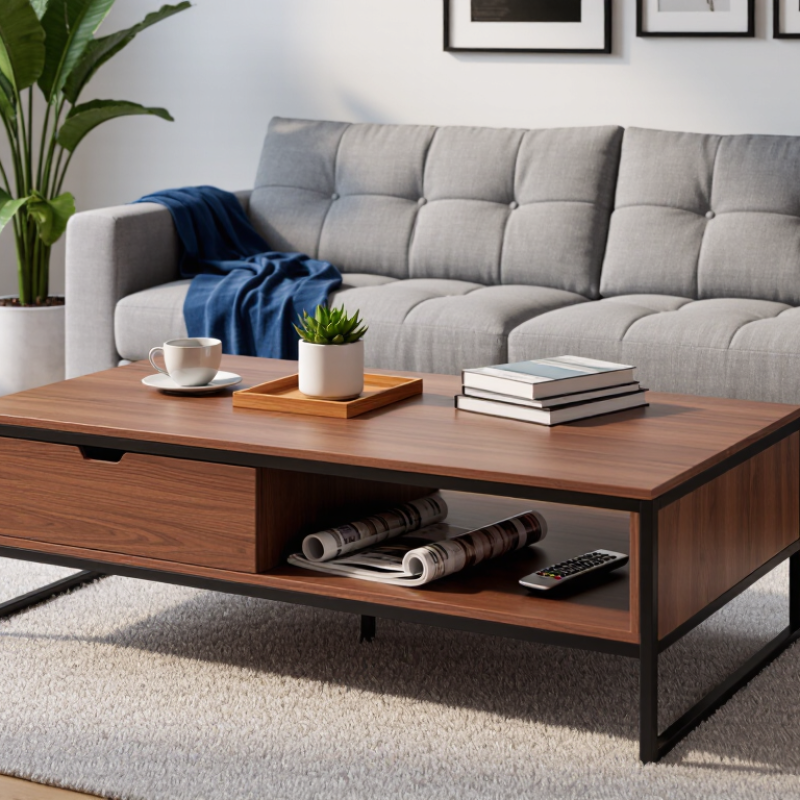
What Is the Best Amart Coffee Table in 2026?

Defining the Best Amart Coffee Table in 2026

Defining the best coffee table in 2026 means choosing one that suits the room, not chasing a universal winner. Measure the space between your sofa and table; leave enough room to walk without turning sideways. A tabletop around sofa-seat height is usually easy to reach, while a lower design can make a compact lounge feel more open. Small details matter.

Materials should match daily life. A sealed surface is easier to wipe after tea or snacks, while rounded corners can be kinder in a busy household. Check that the legs sit firmly on the floor and that drawers or shelves do not wobble when used. Looks can mislead. A glossy finish may show fingerprints, and a heavy table can be awkward to move for cleaning.

Storage is useful only when it fits what you actually keep nearby. Measure a basket, a stack of magazines, or a game controller before relying on a shelf. If you often stretch out on the sofa, a table with sharp edges may become annoying; I would not ignore that just because the shape looks elegant. Compare dimensions, materials, assembly needs, and care instructions before deciding. The best choice is the one that remains practical after the room is lived in, even if it is not the most striking piece.

Comparing Amart Coffee Table Styles, Materials, and Designs

The best coffee table depends on how the room is used, not just how it looks in a photo. A slim, open-frame design can make a compact lounge feel less crowded, while a solid rectangular table suits a larger sofa arrangement. Round and oval shapes soften tight walkways and reduce sharp corners. Check the tabletop height against your sofa seat; a table that sits noticeably too high can feel awkward during everyday use.

Material changes both the look and the upkeep. Timber brings warmth and can hide small marks, though pale finishes may show spills. Glass keeps a room visually light, but fingerprints appear quickly. Metal frames can feel crisp and sturdy; inspect the joints and finish, since thin construction may wobble over time. Stone-look surfaces add visual weight, but the actual material matters more than the label. A realistic sample helps.

Design details affect daily convenience. A lower shelf can hold magazines or a remote, while a lift-top or drawer conceals clutter. Still, extra storage can make a table look bulky, and decorative legs may catch dust. Measure the path around your sofa before choosing. It is easy to underestimate that space. Compare dimensions, surface care, and stability alongside style, then choose the piece that fits your routine rather than chasing a trend.

What Is the Best Coffee Table in 2026? Comparing Styles, Materials, and Designs

There is no single best choice for every room. The dimensions below are typical ranges for common coffee table styles; exact sizes, materials, and construction vary by design.

Table Style Typical Dimensions (W × D × H) Common Materials Key Advantages Things to Consider Best Suited For
Lift-Top Storage 90–120 × 50–65 × 40–50 cm Engineered wood or solid wood, metal lifting hardware Raises the tabletop for working or dining; often includes concealed storage. The lifting mechanism adds weight and moving parts; allow clearance for the raised top. Compact living rooms, remote work, and homes that need extra storage.
Nesting Tables Large table: 60–80 × 40–55 × 38–45 cm; smaller tables vary Wood, metal, glass, or combinations of these materials Smaller tables can tuck under the larger one and be moved around when needed. Each table offers less surface area than a single large table; check that the nested sizes fit together. Flexible layouts, apartments, and entertaining.
Round Pedestal 70–100 cm diameter × 38–45 cm high Solid or engineered wood, metal, stone, or composite materials No corners to navigate; the central base can provide legroom around the table. Some pedestal bases may feel less stable if the top is large or heavily loaded. Smaller seating areas, curved furniture arrangements, and households seeking softer edges.
Rectangular Wood 100–130 × 50–70 × 38–45 cm Solid wood, wood veneer, or engineered wood Provides a broad, practical surface and pairs naturally with many sofas. Measure walking space carefully; wood finishes may need protection from heat, spills, or scratches. Long sofas, family rooms, and everyday use.
Glass-Top with Metal Frame 90–120 × 50–65 × 38–45 cm Tempered glass and steel or aluminum The transparent top can make a room feel visually open; metal frames are often slim in profile. Glass shows fingerprints and may need frequent cleaning; confirm that replacement parts and care instructions are available. Smaller rooms and interiors where a light, open appearance is preferred.
Ottoman-Style Coffee Table 90–120 × 55–75 × 35–45 cm Upholstered fabric or leather-like material, foam padding, wood frame Can provide a cushioned footrest and, with a tray, a usable surface; some designs include storage. A tray may be needed for drinks; upholstery can require more care than a hard tabletop. Relaxed seating areas and homes that prioritize comfort and soft edges.
Storage Trunk 80–110 × 40–60 × 38–48 cm Wood, engineered wood, woven materials, or upholstered panels Offers enclosed space for blankets, games, or other household items. Check lid support and closing action, especially in homes with children; a hinged lid needs room to open. Living rooms where concealed storage is a priority.

Assessing Size, Storage, Durability, and Everyday Use

A coffee table should fit the room before it impresses in a product photo. Measure the sofa’s seat height and leave roughly 30 to 45 centimeters between the table and seating, so people can pass without turning sideways. Measure the walkway, too. A wide tabletop may look useful in a showroom but crowd a narrow living room. Small details matter.

Storage changes how the table works every day. A lower shelf can hold a basket for remotes and magazines, while drawers hide clutter more neatly. Check how far drawers open and whether their handles catch knees. Lift-top designs offer a handy surface for a laptop or snack, but hinges should move smoothly and stay steady. Test the mechanism if possible; a wobbly lift gets annoying fast.

Durability depends on materials, construction, and household habits. Look for joints that feel firm, edges that are finished cleanly, and a surface that tolerates routine wiping. If drinks often sit on the table, coasters can help prevent rings, though they are easy to forget. Wear shows quickly. Dark finishes may reveal dust, while glossy surfaces can show fingerprints. There is no perfect option, and online dimensions can be easy to misread. Check the listed measurements against a taped outline on the floor before choosing.

Evaluating Price, Maintenance, and Room Compatibility

Price is only useful when compared with upkeep and expected use. A low-cost table may need frequent polishing, while a sealed surface usually handles cups and quick wipe-downs more easily. Check care instructions before buying, especially for veneer, glass, or porous stone. Small detail. If children or pets use the room, sharp corners and delicate finishes may become daily annoyances.

Durability also has a wider cost. The U.S. Environmental Protection Agency reported that Americans generated 12.1 million tons of furniture and furnishings waste in 2018; about 80.1 percent went to landfill. That figure covers many furniture types, not coffee tables alone, but it supports choosing a piece likely to stay useful.

For room fit, tape the table’s footprint on the floor and leave clear walking space around it. A height close to the sofa seat usually feels practical for setting down a mug. Measure the sofa, too.

I would not trust a photo alone; scale can be surprisingly deceptive. A table may look compact online and still crowd a narrow path. If your room changes often, lighter construction can help, though it may feel less substantial.

Matching Amart Coffee Tables to Different Home Needs

A coffee table works best when it fits the way a room is used, not just its décor. In a compact apartment, a narrow rectangular or nesting design can preserve walking space while keeping a mug and remote within reach. Measure the sofa and clear floor area before choosing; a table that looks modest online may feel bulky beside a small seat. Measure twice. Round or oval edges can soften tight pathways and help avoid sharp corners around children. For a larger family room, a broad, low table offers space for board games, snacks, and books, but it should not block conversation or movement.

Storage needs change the choice, too. A lift-top or lower shelf can hold chargers, magazines, and toys, while an open base keeps the room visually lighter. Check how smoothly lids move and whether shelves are easy to reach; attractive storage can be frustrating if everyday items get trapped. Choose a finish that suits real routines: sealed, easy-clean surfaces may be more practical than delicate high-gloss finishes. I would accept a little less storage if it helped the room feel less crowded. A sturdy table can still look heavier than expected, so compare its proportions with the sofa before deciding.

Article Source:

Wait! You Forgot Your Free Estimate!

Call us at (516) 858-2492
for a free estimate or simply click the button below:

Submit Request Form
adelphic tracking pixel