Bun Feet Sofa Legs can change the character of a sofa while supporting its frame through years of daily use. Their rounded profiles suit traditional furniture, but dimensions and finishes vary widely between suppliers. A leg that looks right in a product photo may sit too low, use the wrong mounting plate, or clash with the upholstery. Small details matter.
This guide introduces ten suppliers for global buyers comparing style, construction, customization, and ordering options. It considers practical questions: Are dimensions clearly listed? Can the supplier provide material details or samples? Are finishes consistent across repeat orders? Buyers should also check packaging, lead times, and communication before committing to a large purchase. These points can help reduce avoidable surprises.
No supplier is perfect. A broad catalog may not mean strong quality control, and a low unit price can exclude shipping or custom work. That deserves a second look. The shortlist is intended as a starting point, not a substitute for direct verification. Request current specifications, confirm measurements against your sofa design, and clarify order terms in writing. Comparing these details gives furniture makers, retailers, and project buyers a more grounded way to assess potential partners. One overlooked measurement can turn a polished design into a fitting problem.
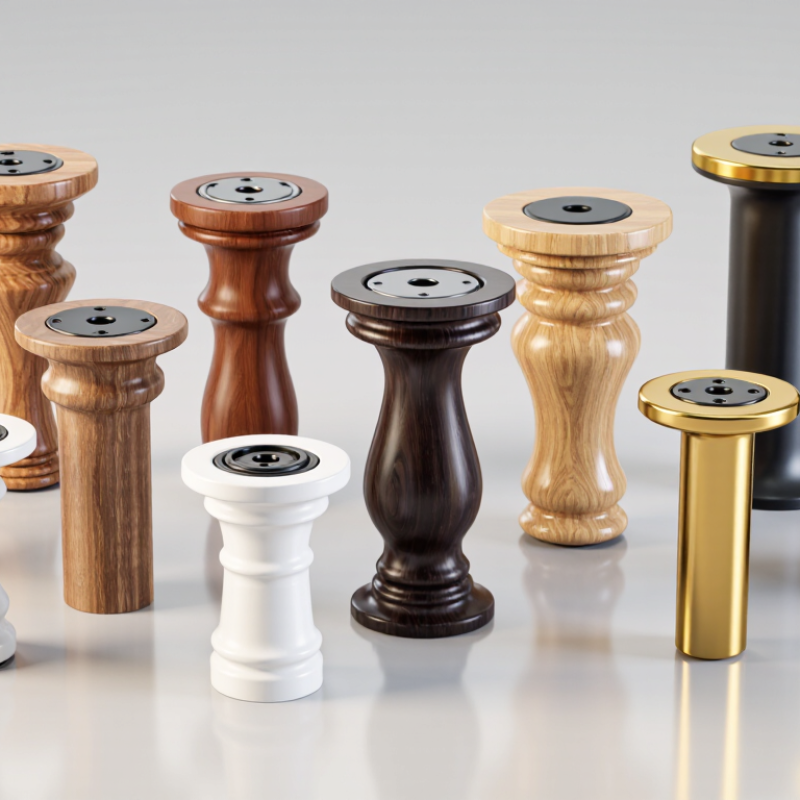
Bun feet are short, rounded furniture legs with a broad, curved profile. They often sit beneath sofas, armchairs, cabinets, and upholstered benches. Their compact shape gives a sofa a grounded look while lifting the frame enough for floor clearance. Some are carved from hardwood; others use engineered wood or molded materials. The material and attachment method affect strength, finish, and repair options. A smooth silhouette can hide practical drawbacks: very low feet may make cleaning underneath harder.
Tips: Check the sofa’s mounting plate, screw spacing, and weight requirements before ordering replacements. Measure the existing feet from floor to frame, not just by appearance. Add floor protectors where needed. Small differences matter.
Bun feet can be fixed directly to a frame or attached through a mounting plate, depending on the sofa’s construction. Buyers should confirm the leg’s load rating and whether the finish suits the room’s humidity and cleaning routine. For a heavy sofa, matching the original foot shape is not enough; secure attachment and even contact with the floor matter more. Photos help, but dimensions and installation details are more reliable. And, honestly, a decorative foot may still feel unstable if the frame or floor is uneven.
Bun feet are short, rounded furniture legs, commonly made from wood or metal. They support sofas, chairs, cabinets, and other furniture while raising the frame above the floor. The supplier categories below are sourcing profiles, not a ranked list of named companies; actual specifications and availability vary by supplier.
| No. | Supplier Category | Common Product Offering | Typical Materials | How Bun Feet Are Used | Buyer Checks |
|---|---|---|---|---|---|
| 1 | Solid-wood furniture-leg manufacturers | Turned or carved bun feet in standard and custom profiles | Hardwoods such as beech, birch, maple, or oak; species vary by origin | Attached to sofa frames or furniture bases to provide support and a traditional rounded look | Wood species, moisture control, dimensions, finish, and mounting method |
| 2 | CNC wood-turning workshops | Repeatable turned shapes, including matched sets and made-to-drawing parts | Solid wood and, where specified, engineered wood blanks | Used when a furniture maker needs consistent leg profiles across multiple pieces | Drawing tolerance, sample approval, grain appearance, and batch consistency |
| 3 | Custom woodworking and carving shops | Decorative profiles, carved details, and small production runs | Solid wood; material selection depends on the design and finish requirements | Used on upholstered furniture where the visible leg is part of the design detail | Tooling or setup charges, carving detail, lead time, and finish samples |
| 4 | Wood-component wholesalers | Stock bun feet and related furniture components in assorted sizes | Commonly wood, with construction depending on the catalog item | Useful for furniture repair, upholstery projects, and replacement of worn or damaged feet | Stock availability, actual measurements, thread or insert details, and pack quantities |
| 5 | Metal furniture-leg fabricators | Rounded metal feet or bun-inspired forms, often made to a specified design | Steel, stainless steel, or aluminum, depending on the design and application | Used where a buyer wants a metal construction or a contemporary interpretation of a rounded foot | Load rating, corrosion protection, weld quality, attachment plate, and floor protection |
| 6 | Molded-plastic component suppliers | Lightweight molded feet in repeatable shapes and colors | Plastic resins selected according to the intended part and performance needs | Used on some furniture designs where a molded component suits the cost, weight, or appearance requirements | Material specification, load testing, color consistency, and suitability for the sofa frame |
| 7 | Furniture-hardware distributors | Furniture feet, mounting plates, threaded inserts, and related fittings | A mix of wood, metal, and plastic components | Provide bun feet and the hardware needed to attach them to a furniture base | Thread size, plate dimensions, compatible fasteners, and installation instructions |
| 8 | Upholstery and furniture-repair suppliers | Replacement feet and repair parts for existing sofas and chairs | Usually wood or metal; stock depends on the repair range | Used to replace missing, broken, or mismatched feet during upholstery or furniture repair | Existing attachment type, leg height, base clearance, and matching finish |
| 9 | Private-label furniture-component suppliers | Configured products supplied to buyer specifications and packaging requirements | Material depends on the buyer’s approved design and order specification | Used by furniture makers or distributors that need a consistent product under their own sales program | Written specifications, sample sign-off, packaging, quality records, and production capacity |
| 10 | Export-oriented furniture-component manufacturers | Bulk production with export packing and shipment documentation, subject to supplier capability | Often wood or metal; confirm the exact material for each product | Supply furniture makers, importers, and distributors purchasing bun feet for production or resale | Carton protection, order quantity, shipping terms, product documentation, and pre-shipment inspection |
Before ordering, confirm the foot height, base diameter, attachment method, load requirements, finish, and compatibility with the sofa frame. Product dimensions and performance should be verified against the supplier’s drawing or sample.