How to Choose the Best Floor Drain for Your Home?
Choosing the right floor drain is crucial for maintaining your home's hygiene. A floor drain plays an essential role in managing water flow and preventing flooding. Understanding the different types of floor drains can help homeowners make informed choices.
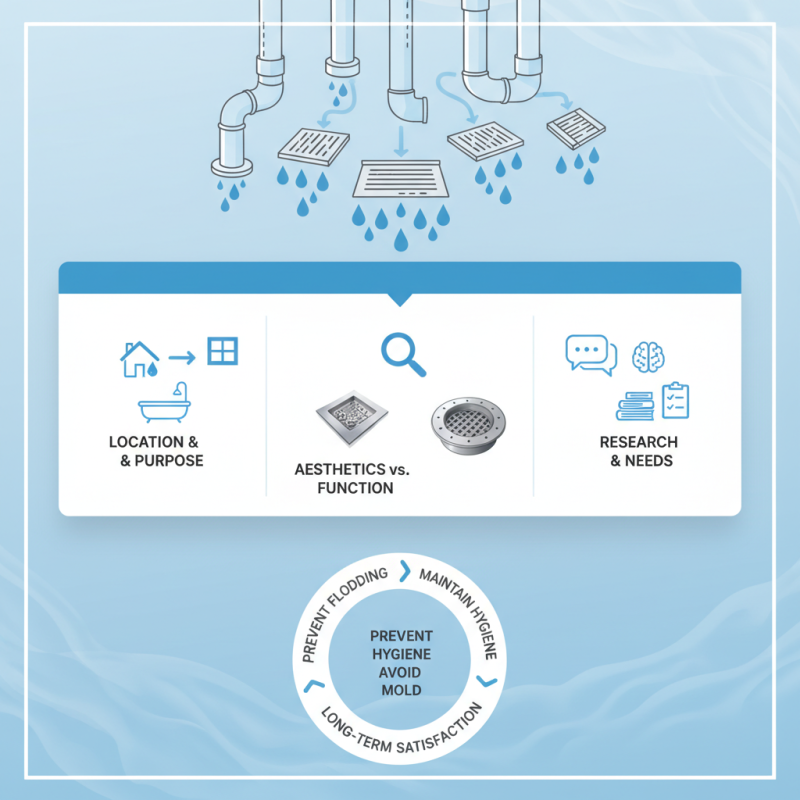
When assessing your options, consider the location and purpose of the drain. For example, bathroom drains differ from basement ones. Some might prioritize aesthetic appeal, while others focus on functionality. It’s easy to overlook this aspect, but a well-chosen floor drain can prevent water buildup and mold growth.
Researching product reviews and expert opinions can provide valuable insights. However, not every recommendation suits every home. Some may find their chosen drain ineffective. Always reflect on your specific needs before making a decision. A thoughtful selection process ensures long-term satisfaction and safety.
Factors to Consider When Selecting a Floor Drain for Your Home
Selecting the right floor drain for your home involves multiple factors. First, consider the location of the drain. Bathrooms, kitchens, and basements have different needs. For example, a shower drain requires higher water flow rates and efficient drainage. According to the Plumbing-Heating-Cooling Contractors Association, improper drainage can lead to over 50% of plumbing issues in homes.
Next, assess the material of the drain. Stainless steel is durable and resistant to rust, making it ideal for wet areas. Alternatively, plastic drains may be lighter but can crack over time. The National Sanitation Foundation emphasizes the importance of choosing materials that comply with local health codes. Homeowners need to think about installation as well. Some drains require professional installation, increasing overall costs.
Another crucial aspect is the drain's size and capacity. The market recommends drains with a minimal flow capacity of 20 gallons per minute for bathrooms. However, factors such as tile size and slope can affect performance. Homeowners often overlook these variables, leading to inadequate drainage and potential water damage. Reflecting on these challenges can help in making an informed decision.
Types of Floor Drains and Their Specific Applications
When selecting a floor drain, understanding the various types available is crucial. Different environments require specific drain designs for optimal performance. For instance, traditional floor drains are ideal for basements and laundries, efficiently managing water flow. In contrast, trench drains are commonly used in commercial kitchens and garages. They capture larger volumes and redirect water quickly, preventing flooding.
According to the American National Standards Institute (ANSI), the choice of materials, such as stainless steel or PVC, directly influences durability and maintenance. Stainless steel drains are preferred in high-traffic areas. They resist corrosion and last longer than plastic alternatives. However, they can be more expensive. Hence, budget considerations play a role in decision-making.
Improper installation is a common issue. Many homeowners underestimate the slope required for effective drainage. An inadequate slope can lead to standing water. Consequently, mold and odor problems may arise over time. Understanding local building codes is essential for compliance and safety. Proper knowledge and planning can significantly enhance the functionality of your floor drains.
Material Options for Floor Drains: Pros and Cons
When choosing a floor drain, the material significantly impacts its performance. Stainless steel is a popular choice due to its durability and resistance to corrosion. It can withstand heavy traffic and harsh cleaning chemicals. However, it can be prone to scratches and may require regular polishing to maintain its appearance.
Plastic drains are lightweight and cheaper. They are easy to install and resistant to rust. Yet, they can warp over time or crack under heavy loads. Taking time to research the specific needs of your environment is crucial. This decision directly affects longevity and functionality.
Cast iron offers strength but comes with a few drawbacks. It can rust if not properly maintained and is heavier, which complicates installation. For outdoor applications, consider the local climate. Materials will behave differently under varying conditions. Reflecting on personal experience will guide choices.
The Importance of Drain Size and Flow Rate in Home Drainage
When it comes to home drainage, choosing the right floor drain is crucial. The size of the drain directly affects how efficiently water flows. A drain that is too small might clog frequently, leading to water pooling. If it's too large, it may not capture the water efficiently during heavy rainfall. Understanding your specific needs can help prevent these issues.
Flow rate plays a significant role as well. It refers to how quickly water can leave your space. A higher flow rate is essential in areas with heavy foot traffic or where water accumulates quickly. However, a system with an excessively high flow rate could overwhelm a smaller pipe. This may lead to backflow problems. Assessing your typical water usage can guide you in selecting the ideal drain size and flow rate.
Your climate and home layout also impact your choice. An area with frequent rain or snow might require more robust drainage. In contrast, homes in dry regions may need less capacity. It’s beneficial to reflect on your specific conditions. Doing so can help you make a more informed decision about your floor drain. Consider consulting a plumbing professional for tailored advice, as their expertise can be invaluable in ensuring proper drainage design.
Installation Tips and Maintenance for Longevity of Floor Drains
When it comes to floor drains, proper installation is crucial for long-term functionality. According to industry reports, about 70% of plumbing issues stem from poor drainage systems. Ensuring the drain is installed at the correct slope is vital. A 1/4 inch slope per foot is generally recommended. This angle promotes effective water flow, preventing clogs and backups. Using a reliable sealing technique can also help to avoid leaks, which may lead to costly repairs in the future.
Maintenance is equally important for longevity. Regular cleaning prevents debris build-up, a common problem that can lead to unpleasant odors. Experts suggest cleaning floor drains at least once a month. Using a mixture of vinegar and baking soda can help break down grime naturally. In many homes, homeowners neglect to check for rust or corrosion, which can be silent threats. Monitoring these conditions can save time and money down the line. By staying proactive, you can ensure your floor drains function properly for years to come.
How to Choose the Best Floor Drain for Your Home? - Installation Tips and Maintenance for Longevity of Floor Drains
| Drain Type | Best For | Installation Difficulty | Maintenance Frequency | Lifespan |
| Linear Drain | Showers, Kitchens | Moderate | Every 6 months | 50+ years |
| Point Drain | Bathrooms, Basements | Easy | Every 3-6 months | 30 years |
| Trench Drain | Garages, Driveways | Hard | Annually | 40 years |
| Roof Drain | Flat Roofs | Moderate | Every 6 months | 50+ years |