Why Choose Clad Wood Windows for Your Home Upgrade?
Upgrading your home can be a daunting task. One option gaining popularity is the use of Clad Wood Windows. According to the American Institute of Architects, around 62% of homeowners prefer wood for its aesthetic appeal and energy efficiency. Clad Wood Windows combine the timeless charm of wood with the durability of protective cladding, making them a top choice for many renovations.
Renowned industry expert Jason Hawthorne states, "Clad Wood Windows offer a perfect blend of beauty and practicality, ensuring homeowners don't have to compromise." This innovation not only enhances curb appeal but also improves insulation, potentially reducing energy bills. However, it is essential for homeowners to consider the initial investment and maintenance needs. While the upfront cost is higher than standard options, the long-term benefits may outweigh this drawback.
Additionally, understanding the installation process is vital. Improper installation can lead to complications later. Homeowners should weigh possible challenges against the advantages of Clad Wood Windows. The decision requires reflection on both immediate needs and future aspirations for the home, as this choice impacts both aesthetics and performance.
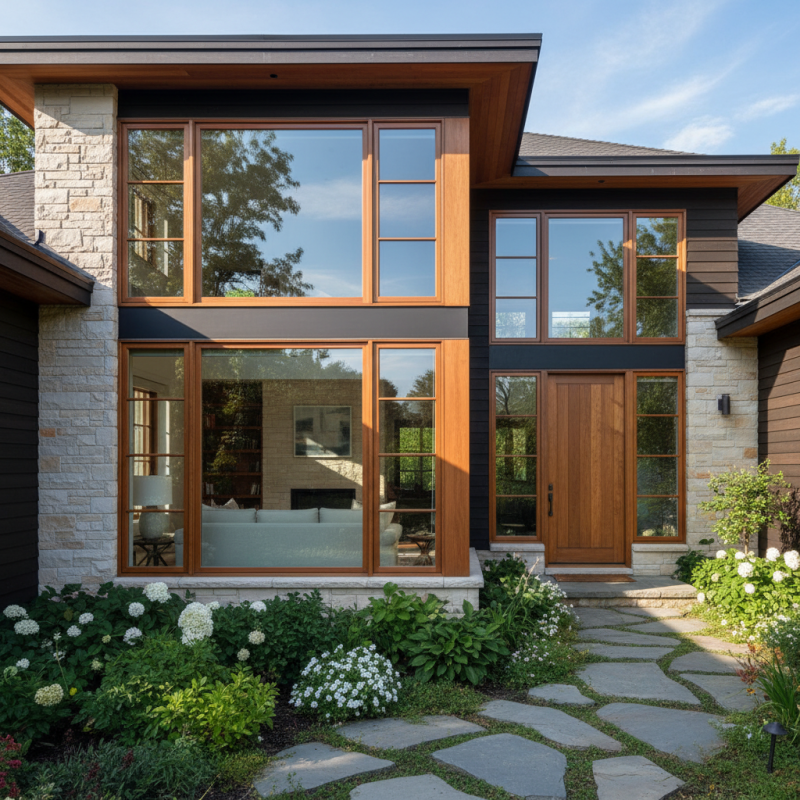
Benefits of Clad Wood Windows for Energy Efficiency
Clad wood windows are gaining popularity among homeowners looking to enhance energy efficiency. These windows combine the warmth of wood with a protective exterior layer. This design helps in reducing energy costs significantly. The outer cladding shields the wood from harsh weather. As a result, it retains its insulating properties longer.
Many homeowners report noticeable differences in their energy bills after opting for clad wood windows. The insulated core effectively prevents heat loss in winter and keeps homes cool in summer. This dual advantage creates a comfortable living environment year-round. However, some may overlook the importance of proper installation. Incorrect fitting can lead to air leaks and diminished efficiency.
Choosing clad wood windows also adds aesthetic value to your home. They come in various colors and styles, allowing for customization. However, potential buyers should reflect on maintenance needs. While the cladding requires less upkeep, the wooden interior may need occasional refinishing. Balancing beauty with function is crucial for long-term satisfaction.
Why Choose Clad Wood Windows for Your Home Upgrade? - Benefits of Clad Wood Windows for Energy Efficiency
| Feature | Benefit | Energy Efficiency Rating |
| Thermal Efficiency | Reduces energy consumption | R-Value of up to 5.0 |
| Durability | Long-lasting performance | Lifetime warranty available |
| Aesthetic Appeal | Beautiful natural wood finish | N/A |
| Maintenance | Low maintenance with exterior cladding | N/A |
| Noise Reduction | Enhances indoor silence | STC rating of 30-35 |
Aesthetic Appeal: Enhancing Your Home's Interior and Exterior
Clad wood windows offer a unique combination of beauty and functionality. The natural wood interior provides warmth and a charming aesthetic. It creates a welcoming atmosphere that invites people in. Meanwhile, the durable exterior protects against harsh weather. This balance of style and strength is appealing for any homeowner.
The visual impact is significant. Imagine sunlight streaming through beautifully crafted frames, illuminating your living space. The wood grain adds character, connecting the indoors with nature. Different finishes allow for customization, ensuring they complement your home’s architecture. However, some may worry about maintenance. While clad wood windows require care, their long-lasting appeal often outweighs these concerns.
Choosing clad wood windows isn't just about practicality. It’s about creating an inviting environment that reflects your style. They tell a story, showcasing craftsmanship and attention to detail. Yet, it’s essential to consider your climate and home conditions. Each choice has its challenges. Reflecting on these factors can lead to a well-informed decision for your home upgrade.
Durability and Maintenance: Comparing Clad Wood to Other Materials
When considering home upgrades, durability and maintenance are key factors. Clad wood windows combine the classic beauty of wood with modern protective materials. This fusion results in a product that resists the elements while maintaining aesthetic appeal. They provide a natural look, adding warmth to homes without sacrificing performance.
Clad wood windows often require less maintenance than traditional wood. Conventional wood windows demand regular painting and sealing. In contrast, the outer cladding shields against moisture and UV damage. However, homeowners must still check for wear over time. Inspecting seals and frames helps ensure longevity. A proactive approach can prevent costly repairs later.
Other materials like vinyl and fiberglass come with their own pros and cons. Vinyl may fade, while fiberglass can crack in extreme conditions. Clad wood offers a balanced solution, blending durability with classic charm. However, the initial cost might be higher. Homeowners should weigh immediate expenses against long-term benefits. Expertise and careful consideration lead to the best decisions for lasting upgrades.
Environmental Impact: Sustainability of Clad Wood Windows
Clad wood windows stand out for their sustainability. They combine natural wood with durable aluminum or fiberglass. This design reduces the need for frequent replacements. According to the U.S. Department of Energy, using high-performing windows can save homeowners 12-15% on energy bills. This is significant in promoting long-term environmental efficiency.
Moreover, the use of reclaimed or sustainably sourced wood in clad window production is increasing. The Forest Stewardship Council reports that over 40% of wood used in construction is now certified sustainable. This not only supports responsible forestry but also minimizes the carbon footprint of new builds. It’s a step forward, but challenges remain. Not all manufacturers adhere to these standards, making it essential to choose wisely.
The life cycle of clad wood windows also favors sustainability. These windows can last up to 30 years with proper maintenance. However, neglect can lead to deterioration. This risks negating the environmental benefits. Homeowners should be proactive in their care to ensure the longevity of these windows. This awareness fosters a culture of sustainability in home upgrades.
Cost Considerations: Are Clad Wood Windows Worth the Investment?
When considering home upgrades, clad wood windows can appear as a significant investment. However, a closer examination reveals their value. According to the National Association of Realtors, homeowners can expect a return of approximately 70% on investment when opting for new window installations. Clad wood windows combine the aesthetic appeal of wood with the durability of modern materials. This compromise often enhances home resale value, making it a smart financial decision.
Initial costs for clad wood windows can be higher than standard options. On average, clad wood windows cost around $700 to $1,000 each, depending on size and style. While this might seem steep, their lifespan averages 30 years or more with proper maintenance, which could reduce long-term expenses. Homeowners also benefit from improved energy efficiency, with studies showing that replacing old windows can reduce energy costs by 10% to 25%. This means potential annual savings that accumulate over time.
Investing in clad wood windows requires a thoughtful approach. Local climate, expected energy savings, and aesthetic preference all play crucial roles. While clad wood might not be the perfect choice for everyone, detailed research and careful consideration of the benefits can lead to a decision that enhances both comfort and property value. Balancing immediate costs against long-term gains is essential for making an informed choice.