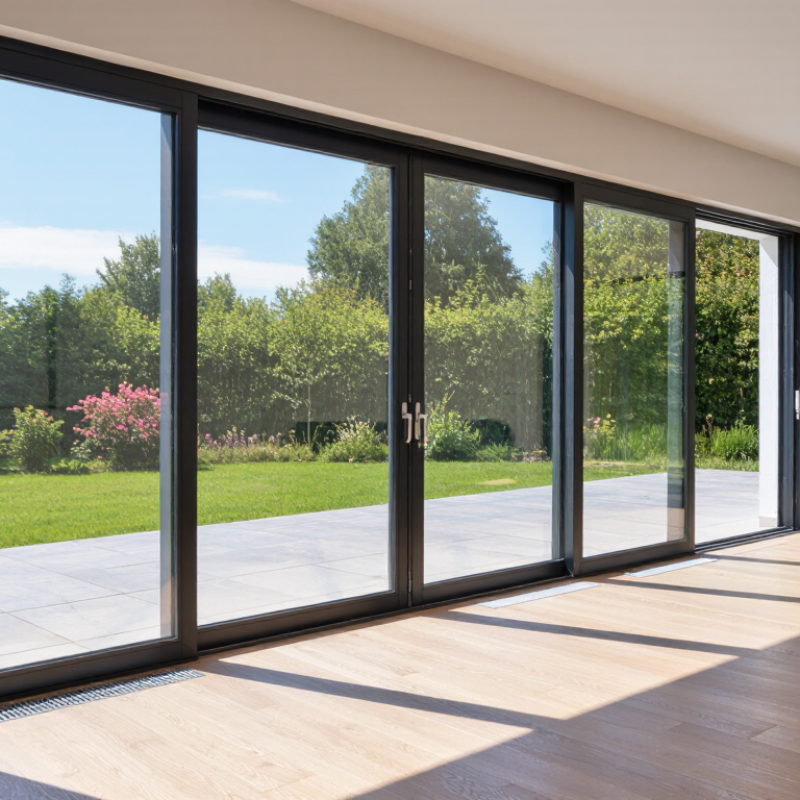
View all current promotions and packages! Click Here!
Nassau/Suffolk
(516) 858-2492
Blog

10 Tips for Buying Exterior Sliding Doors?

Choosing Exterior Sliding Doors can change how a home feels, performs, and connects with outdoor space. A wide glass opening may bring in morning light, fresh air, and views of a garden. However, attractive images do not reveal every practical detail. Frame quality, glass performance, track design, weather resistance, and installation standards deserve careful attention.

This guide shares ten practical tips based on common installation concerns and manufacturer specifications. It considers how doors operate during daily use, not only how they appear in a showroom. Measure the opening carefully. Check drainage paths. Ask about warranties and replacement parts. Small details matter.

Think about coastal moisture, strong sunlight, wind exposure, and seasonal temperature changes. These conditions can affect finishes, seals, rollers, and energy performance. A low threshold may improve accessibility, but it can require better drainage planning. Large glass panels can brighten a room, yet they may also increase heat gain without suitable glazing.

Do not trust every sales claim.

Independent advice helps.

A qualified installer should inspect the opening before ordering. Product labels and local building requirements should also be reviewed. Even experienced homeowners can overlook wall movement, uneven floors, or furniture clearance. I have found that the most expensive mistake is often choosing a door before understanding the space around it. This overview will help you compare materials, security features, maintenance needs, and installation options with greater confidence, while recognizing that no single Exterior Sliding Doors system suits every property.

10 Tips for Buying Exterior Sliding Doors?

Understanding Exterior Sliding Door Types and Their Applications

10 Tips for Buying Exterior Sliding Doors

Understanding Exterior Sliding Door Types and Their Applications

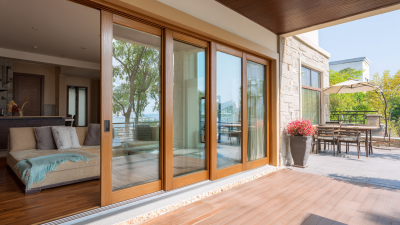
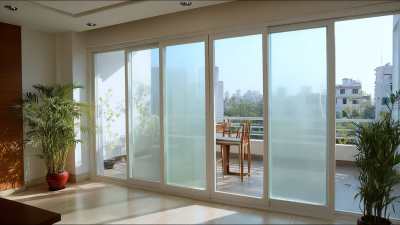
Exterior sliding doors differ in movement, structure, and intended use. Traditional bypass doors use two panels that slide along parallel tracks. They suit compact patios, balconies, and smaller openings. Lift-and-slide doors raise slightly before moving, reducing rolling resistance. Their strong seals work well for large openings and exposed outdoor areas. Multi-panel systems can create wider views and connect living rooms with gardens or decks. However, they need accurate structural support and careful installation.

Pocket sliding doors disappear into a wall cavity when opened. They provide a clean transition, but existing walls may need extensive alteration. Telescoping doors overlap panels, saving space while covering broad openings. They can suit entertaining areas, though their hardware requires regular cleaning. Choose based on opening size, wind exposure, drainage, and daily traffic. A coastal site needs corrosion-resistant components and dependable weather seals.

I once focused too much on glass size and overlooked the track. That mistake can cause frustrating operation.

Measure twice. Check the finished floor height, sill depth, and drainage path before ordering. Low thresholds improve accessibility, but they may need advanced water management. Tempered or laminated safety glass adds protection and comfort.

A professional should verify structural loads, flashing, and installation tolerances. Product ratings matter, yet real performance depends on correct fitting and maintenance.

No door is perfect. An attractive system may still feel wrong if its opening force, handle position, or cleaning demands do not match the household.

Measuring Openings and Planning the Installation Area

Measuring an exterior sliding door opening is the quiet work behind a successful installation. Measure width at the top, middle, and bottom, then record the smallest figure. Do the same for height on both sides and at the center. Check the diagonals too. If they differ noticeably, the opening may be out of square. My first measurement missed a protruding trim piece, so I had to rethink the frame size. Measure twice, and remove guesswork.

Leave space for shims, insulation, drainage, and adjustment. The finished floor must remain level, especially where rollers carry the door weight. Mark the door’s travel path and keep furniture, steps, and wall corners clear. Exterior drainage also matters. Water should move away from the sill, not collect against it. The U.S. Department of Energy reports that windows can represent 25–30% of residential heating and cooling energy use, so weak sealing around a sliding door deserves attention.

The installation area should also allow safe handling of large glass panels. Check access through hallways, stairs, and gates before delivery. Review the manufacturer’s rough-opening requirements, local building rules, and the relevant AAMA/WDMA/CSA 101/I.S.2/A440 fenestration standard. A small error can become a costly draft. Not every opening needs the largest available door. Keep realistic clearances, protect the sill during work, and test the rollers before final trim is installed.

10 Tips for Buying Exterior Sliding Doors? - Measuring Openings and Planning the Installation Area

Tip Measurement or Planning Area Recommended Practice Installation Notes
1 Measure the rough opening Measure the width at the top, center, and bottom, then measure the height at the left, center, and right. Record the smallest dimension. The smallest measurement helps prevent ordering a door that cannot fit because of uneven framing.
2 Check the finished opening If the existing frame will remain, measure the clear opening between the interior stops or frame surfaces where the new door will be installed. Do not confuse the rough opening with the visible glass area or the overall exterior frame size.
3 Verify the opening is square Measure both diagonal distances from corner to corner. The difference should be as small as possible; a large difference indicates an out-of-square opening. An uneven opening may require shimming, reframing, or professional correction before the door is fitted.
4 Check the sill and subfloor Use a level to check that the sill is flat and level from side to side. Inspect the subfloor for rot, water damage, or soft areas. A level sill is important for smooth panel movement, reliable weather seals, and proper drainage.
5 Confirm panel direction Determine whether the active panel should slide left or right when viewed from the exterior, and identify whether the design is one-, two-, or multi-panel. Confirm the handle position, fixed-panel location, and interior traffic pattern before placing the order.
6 Allow for installation clearance Leave enough working space around the opening for shims, fasteners, flashing, insulation, trim, and sealant as specified by the door manufacturer. Avoid planning cabinets, built-in furniture, or heavy wall finishes directly against the frame until installation requirements are known.
7 Plan the exterior drainage path Make sure the sill can connect to a suitable sill pan or flashing system and that water can drain toward the exterior. The exterior landing should not direct rainwater toward the threshold. Follow local building requirements for flashing and waterproofing.
8 Evaluate weather exposure Consider prevailing rain, wind, sunlight, snow, and the level of exposure at the opening when selecting glazing, seals, and frame materials. Highly exposed locations may need enhanced weather performance, an overhang, exterior shading, or additional drainage protection.
9 Check threshold and floor transitions Measure the finished floor heights on both sides of the door and determine how tile, wood, carpet, or exterior paving will meet the threshold. Coordinate the threshold height with accessibility, trip-resistance, water management, and the required interior and exterior floor finishes.
10 Confirm safety and code requirements Review requirements for safety glazing, tempered or laminated glass, egress, guard protection, locks, and energy performance in the installation location. Requirements vary by location and application. Verify local codes and obtain any necessary permits before installation.
Measurement reminder: Use a steel tape measure, record measurements in the same unit, and take clear photos of the opening, sill, surrounding wall, and exterior drainage conditions before ordering.

Comparing Materials, Glass Options, and Weather Resistance

Exterior sliding doors must suit both the building and its climate. Start by matching the frame material to local weather. Aluminum offers slim profiles and good strength, but it can transfer heat quickly. Vinyl provides useful insulation and needs little maintenance. Timber feels warm and traditional, yet it requires regular sealing, especially in damp regions. Fiberglass is stable, though its finish and repair options deserve close inspection.

Glass affects comfort as much as the frame. Choose double glazing for ordinary climates and consider triple glazing in colder areas. Low-emissivity coatings can reduce heat loss without making rooms feel dark. In sunny rooms, tinted or solar-control glass may limit glare and fading. Tempered glass improves safety, while laminated glass can reduce noise and hold together after impact. Ask for the actual U-value and solar heat gain rating, not vague claims.

Weather resistance depends on details. Inspect the sill, drainage channels, corner joints, gaskets, and locking points. A raised sill may shed heavy rain better than a flat track, but it can create a trip hazard. Test the rollers in person. The panel should move smoothly without rattling or dragging. In coastal areas, confirm corrosion-resistant hardware and rinse exposed surfaces regularly. I once chose a beautiful timber frame without checking its drainage design; maintenance became frustrating within one wet season. That mistake changed my approach. Installation quality matters too, because even excellent materials can leak when the opening is poorly measured.

Evaluating Security, Energy Efficiency, and Operating Performance

10 Tips for Buying Exterior Sliding Doors

Evaluating Security, Energy Efficiency, and Operating Performance

Measure the opening carefully before comparing door sizes. Small errors can create weak seals and difficult operation. Inspect the frame anchoring, multi-point lock, and handle strength. Ask whether the design includes anti-lift blocks and secure track protection. Check the corners. These details often matter more than decorative hardware. Select impact-resistant or laminated glass where local conditions require stronger protection. Test the lock several times. It should engage smoothly without forcing the panel.

Compare the glass U-factor and solar heat gain coefficient, not just the energy label. Lower heat transfer can improve indoor comfort, but climate still matters. Look for continuous weatherstripping and thermally improved frames. Examine every seal for gaps, especially near the sill. Air leakage is frequently caused by poor installation, not weak materials. Request independently verified performance data when available. Claims without measurable ratings deserve careful questions.

Slide the door slowly and quickly. It should stay stable and move without scraping. Inspect rollers, drainage channels, and the sill for trapped water risks. Test the screen panel separately. It should not derail during ordinary use. Ask who handles adjustments after installation and what maintenance the rollers need. A detailed warranty helps, though it cannot repair careless fitting. I used to focus too much on glass performance. The installation quality changed the result more than expected. No door is perfect. Check the corners again before signing.
Budgeting for Installation, Maintenance, and Long-Term Value

10 Tips for Buying Exterior Sliding Doors

Budget the opening, not just the door.

Tip 1: Request three written installation quotes.

Tip 2: Ask whether framing repairs, flashing, trim, disposal, and permits are included.

Tip 3: Keep 10–15% aside for hidden damage. Older walls can surprise you.

Tip 4: Compare full installed prices, not catalog prices.

The 2024 Remodeling Cost vs. Value Report shows that replacement projects often recover value, but resale returns vary sharply by region and project quality.

Tip 5: Check the National Fenestration Rating Council label for U-factor and solar heat gain coefficient.

Tip 6: Choose low U-factor glazing for colder climates.

Tip 7: Consider lower solar heat gain in hot, sunny rooms.

The U.S. Department of Energy reports that windows can cause 25–30% of residential heating and cooling energy use. A well-rated sliding door may reduce drafts, but poor installation can erase that advantage.

Tip 8: Confirm the track includes drainage and adjustable rollers.

Tip 9: Plan maintenance costs. Vacuum the track monthly, clean weep holes, and inspect weatherstripping each year.

Tip 10: Ask about replacement rollers and seals before purchasing.

The National Association of Home Builders identifies durable, low-maintenance features as important buyer preferences, yet long-term value is difficult to predict.

My own caution: expensive glass is not automatically better. Measure comfort, noise, cleaning effort, and repair access after installation.

Wait! You Forgot Your Free Estimate!

Call us at (516) 858-2492
for a free estimate or simply click the button below:

Submit Request Form
adelphic tracking pixel