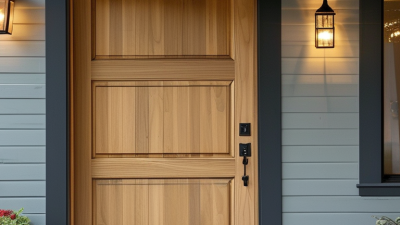
Choosing the right Sliding Door can change how your home feels, functions, and connects with the outdoors. It is not merely a glass panel on a track. It affects daylight, ventilation, privacy, energy use, and daily movement. A beautiful door may still disappoint if it rattles, sticks, or admits cold air during winter.
Eberhard H. Schimel, founder of NanaWall and a recognized specialist in large opening systems, emphasized, “The right opening should connect interior life with the outdoors, not merely divide two spaces.” That principle is useful, but it needs practical testing. Measure the wall opening carefully. Check the floor level. Study the direction of sunlight at different times. A south-facing opening may need solar-control glass, while a shaded patio may benefit from larger clear panels.
Think about the people using the door. Children and older adults may need a lighter operating force. Busy households may prefer wider panels and simple locks. Coastal homes require stronger resistance to moisture and wind. Small rooms often benefit from a compact two-panel design.
Do not choose only by appearance. Ask about frame material, glass performance, drainage, rollers, seals, maintenance, and installation standards. The cheapest option can become expensive after repeated repairs. Still, the most advanced system is not automatically the best one.
A mistake is possible.
Your climate, budget, and habits matter more than showroom drama. Compare real samples, operate the hardware yourself, and request documented performance details. A considered Sliding Door should feel quiet, balanced, secure, and natural every day.
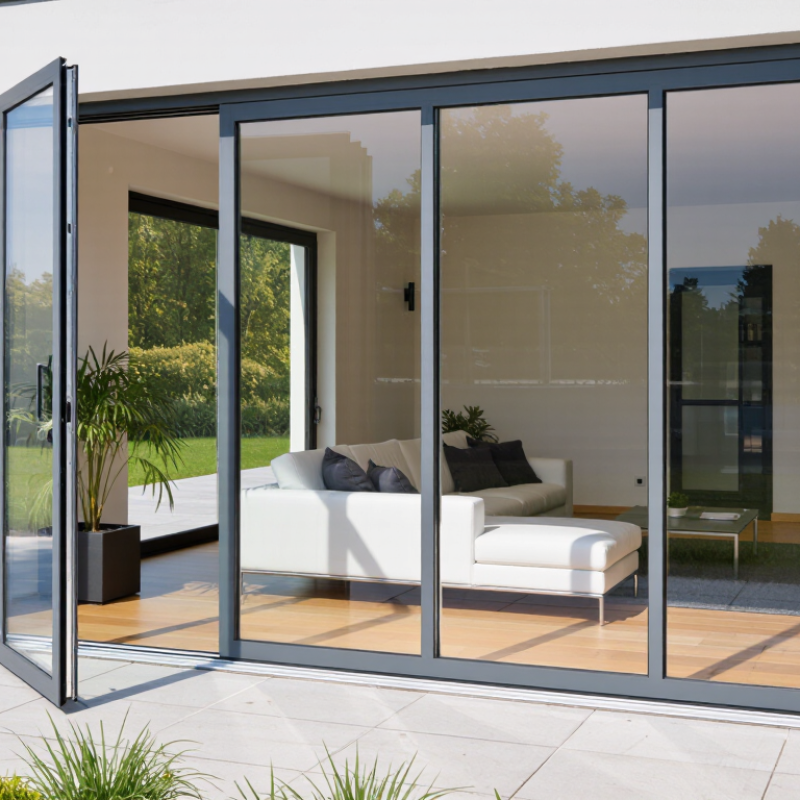
Choosing the right sliding door starts with your home’s actual needs, not a showroom display. Measure the opening width, height, wall depth, and nearby furniture clearance. Mark the track line with painter’s tape. Then check how sunlight, rain, wind, and daily traffic affect the opening. Measure twice. Do not guess.
The U.S. Department of Energy reports that windows can account for 25–30% of residential heating and cooling energy use. A large glazed sliding door can influence comfort in the same way. Review the National Fenestration Rating Council label for U-factor and solar heat gain coefficient. Lower U-factor generally means better insulation, while SHGC should match your climate and sun exposure.
In a hot room facing west, excessive solar gain may create glare and afternoon heat. In a cold climate, insulated frames and low-emissivity glazing deserve more attention.
Your space also determines the operating style. A two-panel door may suit a narrow room, while a multi-panel system needs stronger wall support and wider stacking space. Check the threshold height, drainage path, and floor level before ordering. Small errors become expensive after installation.
I have seen homeowners prioritize glass size, then regret the lost wall space and difficult curtain placement. That choice is understandable, but incomplete.
The best decision balances daylight, ventilation, security, cleaning access, and long-term comfort. Industry performance ratings help, yet careful site measurement remains the practical foundation.
Material affects comfort, maintenance, and long-term performance. Wood offers warmth and strong insulation, but it needs regular sealing, especially in damp climates. Vinyl resists moisture and usually costs less, though darker colors may expand in intense sunlight. Aluminum provides slim frames and wide glass areas, but it can transfer heat without a thermal break. Fiberglass balances stability and insulation, yet its higher price may not suit every renovation.
Style should match both the room and the building’s character. Large glass panels suit modern spaces and bring daylight deep into the room. Divided panes create a more traditional appearance. A low threshold helps children, older adults, and wheelchair users move safely. Check the glass rating, drainage design, and weather seals before choosing a finish. These details matter more than a beautiful showroom display.
Configuration changes how the doorway works. A two-panel door is practical for smaller openings. Three-panel and stacking systems create a broader passage, but they require stronger tracks and more wall space. Pocket doors disappear into the wall, although repairs can become difficult later. Bypass doors save floor space but provide a narrower opening. Measure furniture paths, not only the rough opening. It is an easy detail to miss. I would also question oversized glass in very sunny rooms; impressive views can bring glare, heat, and higher cooling costs.
A sliding door changes more than circulation. It changes daylight, heat gain, and privacy. Start with the glass, not the frame. Clear double glazing provides strong daylight but exposes interiors after sunset. Low-e coated glass reflects infrared heat while keeping rooms bright.
The U.S. Department of Energy’s Energy Saver guidance reports that windows can account for 25–30% of residential heating and cooling energy use. Glass selection is therefore a comfort decision, not merely an aesthetic one.
Read the National Fenestration Rating Council label carefully. A lower U-factor means better insulation. The solar heat gain coefficient shows how much solar heat enters. In a hot, sunny room, a lower value can reduce overheating. In a cold climate, moderate solar gain may help. ENERGY STAR guidance also supports climate-appropriate performance, rather than one universal specification.
Ask for whole-unit ratings. Center-glass claims can mislead. Frames, spacers, and weather seals matter too. Small gaps become noticeable beside a sofa.
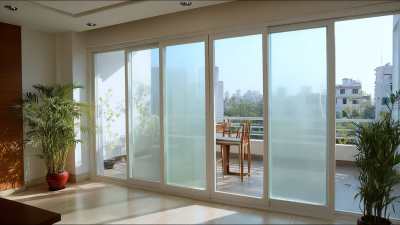
Privacy needs layers. Frosted or textured glass softens silhouettes, while blinds provide adjustable control. Reflective coatings may reduce views, but they can darken the room. I have seen homeowners choose maximum transparency, then keep curtains closed all day. That defeats the daylight advantage.
Test a sample at morning, noon, and night. Check it from the garden and the sofa. Highly private glass may reduce clear views. Bedrooms need privacy first; living areas need a careful balance between daylight, ventilation, and openness.
How to Choose the Right Sliding Door for Your Home?
A sliding door should match your room, but its hardware deserves closer attention. Check the rollers, track, handles, locks, and frame before judging the glass. Small parts matter. Rollers should move smoothly without grinding or wobbling. The track should feel firm under your hand. A loose handle may become a daily annoyance, while a weak roller can damage the frame over time.
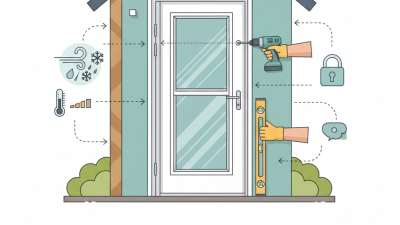
Security begins with the door’s construction and installation. Look for strong locking points, anti-lift protection, and safety glass suitable for your location. The lock must align correctly with the frame. Even a high-quality lock offers limited protection when the door is poorly fitted. Measure the opening, floor level, wall condition, drainage path, and clearance for the panels. Uneven floors are common in older homes. Do not guess. Ask a qualified installer to inspect these details and confirm local building requirements. A perfect-looking door can still seal poorly.
Tips: Slide the door several times before buying it. Listen for scraping or clicking sounds. Ask for written installation requirements and maintenance guidance. Check whether the wall needs reinforcement. In practice, small measurement errors can create expensive repairs, and this is easy to underestimate. A second measurement may feel unnecessary, but it often prevents trouble.
Compare the main decision areas before purchasing: hardware durability, security features, and installation requirements. The scores use a practical 1–5 evaluation scale, where 5 indicates the strongest priority or performance expectation.
Look for corrosion-resistant rollers, an adjustable track system, an anti-lift device, a secure hook or mortise lock, and safety glazing where required by local building codes. Confirm the finished opening width, height, sill condition, headroom, drainage, and wall structure before installation.
Choosing the right sliding door starts with a realistic budget, not a photograph from a design magazine. Include the door, frame, delivery, installation, and future maintenance. Set aside 10 to 15 percent for unexpected costs. Old openings may need leveling before installation. Measure twice. Order once.
A lower-priced door can become expensive when rollers wear quickly or seals shrink after one winter. Check the frame material, glass performance, locking system, and track design. For busy rooms, choose durable rollers that can support the door’s weight. If the room faces strong sunlight, energy-efficient glass may reduce indoor heat and fading. Ask for clear performance details, not vague promises.
I once focused too heavily on appearance and underestimated installation quality. The door looked excellent, but a slightly uneven track made movement noisy. That mistake changed my buying process. I now compare the total cost over ten years, including cleaning, adjustments, replacement parts, and professional service. A simple design is often easier to repair. Confirm measurements, ventilation needs, and local safety requirements before ordering. Keep written warranty terms and installation details. This feels dull, but it protects your budget when something fails. Leave enough space for curtains, furniture, and comfortable daily use. A beautiful door that sticks every morning is not a good long-term choice.
| Door Type | Typical Installed Cost (USD) |
Expected Service Life | Energy Efficiency | Maintenance Level | Best Long-Term Use | Budget Suitability |
|---|---|---|---|---|---|---|
| Vinyl Sliding Patio Door | $1,000–$3,500 | 15–30 years | Good when fitted with insulated glass and weatherstripping | Low; clean tracks and inspect seals periodically | Cost-conscious homes and moderate climates | Low to medium |
| Aluminum Sliding Patio Door | $1,500–$4,500 | 20–40 years | Moderate; thermally improved frames perform better than basic aluminum | Low to medium; check rollers, tracks, and corrosion | Wide openings, contemporary homes, and humid areas with suitable finishes | Medium |
| Fiberglass Sliding Door | $2,000–$5,500 | 30–50 years | Very good; stable frames support effective insulated glazing | Low; resists moisture, warping, and routine wear | Homeowners seeking durability and reduced replacement risk | Medium to high |
| Wood-Clad Sliding Door | $3,000–$8,000+ | 30–60 years with proper care | Very good; wood has low thermal conductivity when properly sealed | Medium to high; exterior finishes need regular inspection and renewal | Traditional interiors, premium renovations, and design-focused projects | High |
| Multi-Panel Folding or Sliding System | $5,000–$15,000+ | 20–40 years | Varies widely; more joints require careful sealing and professional installation | Medium; rollers, hinges, tracks, and seals require periodic servicing | Large openings, indoor-outdoor living areas, and high-end renovations | Very high |
Cost ranges are typical U.S. residential estimates for a standard replacement opening and vary by size, glazing, labor rates, location, structural conditions, and customization.
Call us at (516) 858-2492
for a free estimate or simply click the button below: