Best Sliding Door Designs for Your Home in 2026?
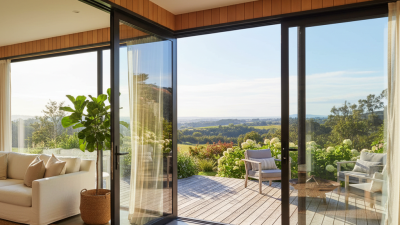
Sliding doors have become a popular choice for modern homes, offering both beauty and functionality. In 2026, the best sliding door designs continue to evolve. Expert designer, Sarah Mitchell, notes, "A well-designed sliding door can transform your space and enhance natural light." Her words highlight the importance of design in home functionality.
These doors are not just about aesthetics; they influence how we interact with our living spaces. A sleek sliding door opens up rooms, merging indoor and outdoor environments seamlessly. However, the market is flooded with options, making decisions challenging. Reflecting on your needs is crucial. You might feel overwhelmed by styles and materials available.
Consider details like frame thickness and glass type. Each element impacts overall functionality and style. Many homeowners overlook how these choices affect maintenance and energy efficiency. A sliding door's performance can suffer if chosen without proper reflection. Emphasizing these aspects can guide you toward the perfect choice for your home. So, explore the latest trends and find inspiration for your own unique sliding door design.
Trends in Sliding Door Designs for 2026
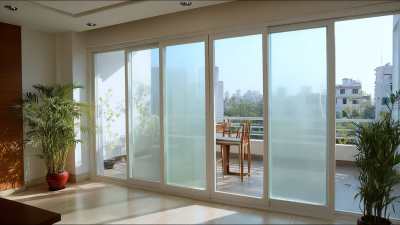
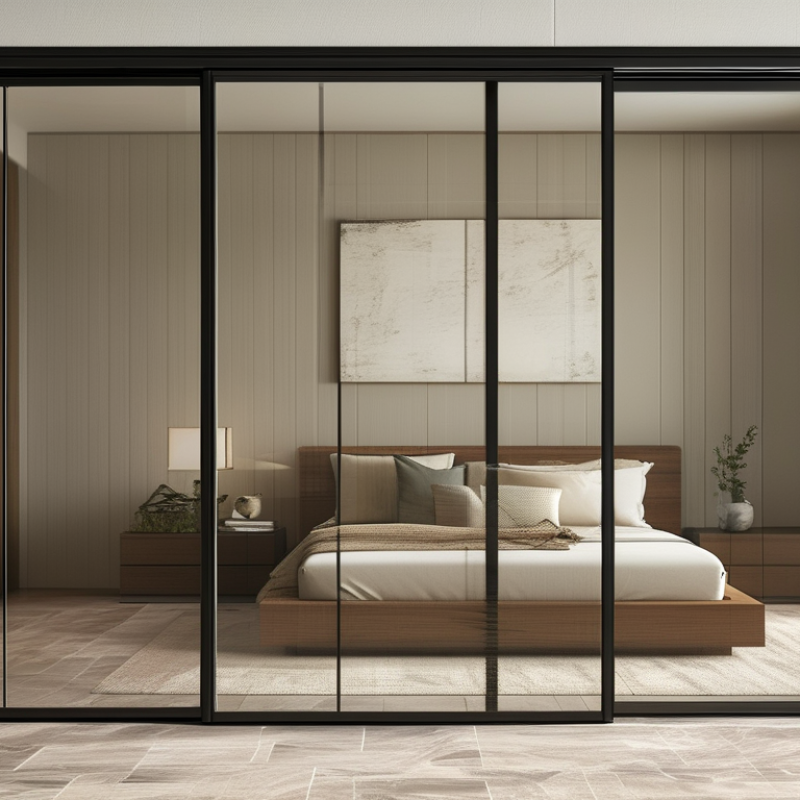
Sliding doors are evolving rapidly. In 2026, we can expect innovative designs that enhance both functionality and style. Minimalist aesthetics remain popular, focusing on clean lines and unobtrusive frames. Glass panels that maximize natural light will attract many homeowners. Some designs may incorporate tinted or frosted options for privacy without sacrificing brightness.
Biophilic design is another trend gaining traction. Sliding doors that blend with nature are essential for many. Consider options with natural wood finishes or shades inspired by greenery. This approach encourages a seamless outdoor connection. However, there's room for improvement here. Finding durable materials that withstand weather changes presents challenges. Homeowners must prioritize durability alongside aesthetics.
Additionally, smart technology will influence sliding door designs. Automatic opening systems and integrated security features are becoming more common. These conveniences can enhance daily living. Yet, the reliance on technology raises concerns about maintenance and potential malfunctions. Balancing tech integration with reliability will be crucial for designers moving forward.
Materials Used in Modern Sliding Doors
Modern sliding doors are increasingly popular in 2026. They offer a seamless connection between indoor and outdoor spaces. The choice of materials significantly impacts both aesthetics and functionality. According to a recent industry report, over 73% of homeowners prefer materials that combine durability with visual appeal.
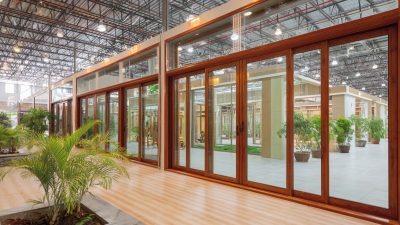
Aluminum frames have gained traction. They are lightweight and resistant to corrosion. This makes them suitable for various climates. Additionally, tempered glass is often used. It provides security while allowing natural light to flood interior spaces. Research indicates that glass accounts for about 60% of the total door composition in contemporary designs.
But there are challenges. While aluminum is durable, it can dent easily. Homeowners need to weigh the pros and cons of each material. Wood, for example, offers warmth but requires more maintenance. A shift towards eco-friendly materials is also emerging. Bamboo and recycled materials are gaining attention for their sustainability. These alternatives might not always deliver the same performance but can promote environmental benefits.
Best Sliding Door Designs for Your Home in 2026
Innovative Features in Sliding Door Technology
The evolution of sliding door technology is shaping modern homes in 2026. With a growing focus on energy efficiency, new designs incorporate advanced thermal insulation features. According to a report by the American Architectural Manufacturers Association, sliding doors have become 20% more energy-efficient in recent years. This improvement plays a crucial role in reducing heating and cooling costs, making them more appealing for homeowners.
Another notable trend is the integration of smart technology. Many sliding doors now come equipped with automated locking systems and sensors. These features enhance security and provide convenience. A survey by the National Association of Home Builders indicates that 30% of new homebuyers prioritize smart home capabilities, including sliding doors. This reflects a shift towards seamless living spaces that cater to modern lifestyles.
Despite these advancements, challenges remain. For instance, installation issues can arise with smart sliding doors. Poor alignment may affect functionality and aesthetic appeal. Additionally, maintaining the balance between modern design and practicality poses a constant challenge for homeowners. As technology progresses, the industry must also focus on user-friendly features that enhance overall performance without compromising style.
Color and Finish Options for Contemporary Sliding Doors
Choosing the right color and finish for contemporary sliding doors can significantly enhance your home’s interior design. In 2026, the trend is moving towards deeper, richer colors. Shades like navy blue, forest green, and charcoal gray are gaining popularity. These colors can create a bold statement while still maintaining an elegant aesthetic.
Finishes play a crucial role as well. Matte finishes offer a modern look, while gloss finishes reflect light beautifully. Textured surfaces can add depth and interest, making a door more than just a passage. However, the choice can feel overwhelming. Balancing your home’s overall decor with sliding door designs presents a challenge. Choosing the wrong color can alienate the space, while a mismatched finish may clash with existing elements.
Material selections are equally important. Wood provides warmth but requires maintenance. In contrast, metal offers durability but can appear cold. It’s essential to reflect on what complements your lifestyle and tastes. While creating a cohesive design is vital, personal expression is equally important. Take time to experiment with palettes and textures to find what truly resonates with you.
Space-Saving Solutions with Sliding Door Installations
Sliding doors are becoming a popular choice for modern homes. They are ideal for small spaces where traditional doors might not fit. According to the National Association of Home Builders, sliding doors can save up to 20% more space compared to hinged options. Their sleek design allows homeowners to maximize floor area while adding aesthetic value.
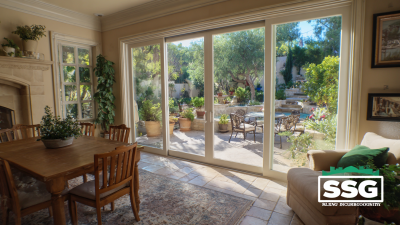
Incorporating sliding doors can transform any room. For example, a sliding glass door can connect a living area with an outdoor patio, creating an illusion of a larger space. Homeowners reported feeling a more significant connection to nature, which improves overall well-being. Unfortunately, many overlook the importance of proper installation. Poorly fitted sliding doors can lead to drafts, reducing energy efficiency.
The trend of integrating sliding doors with unique designs is noticeable. Custom options, such as mirrored or frosted glass, can enhance privacy while still being visually appealing. However, flexibility comes with challenges. Selecting the wrong material or style can compromise the intended aesthetic. Thus, it's crucial to consult with experts who understand architectural needs and local climate considerations.
Best Sliding Door Designs for Your Home in 2026
| Design Type |
Material |
Features |
Ideal For |
| Classic Wooden Sliding Door |
Solid Wood |
Timeless design, Natural insulation |
Traditional homes |
| Modern Glass Sliding Door |
Tempered Glass |
Maximizes light, Easy access |
Contemporary homes |
| Aluminum Frame Sliding Door |
Aluminum |
Durable, Low maintenance |
Urban homes |
| Barn Door Style Sliding Door |
Reclaimed Wood |
Rustic charm, Space-saving |
Farmhouses, Loft-style homes |
| Mirrored Sliding Door |
Reflective Glass |
Visual expansion, Adds elegance |
Small spaces |