Essential Tips for Choosing the Best Storm Door for Your Home
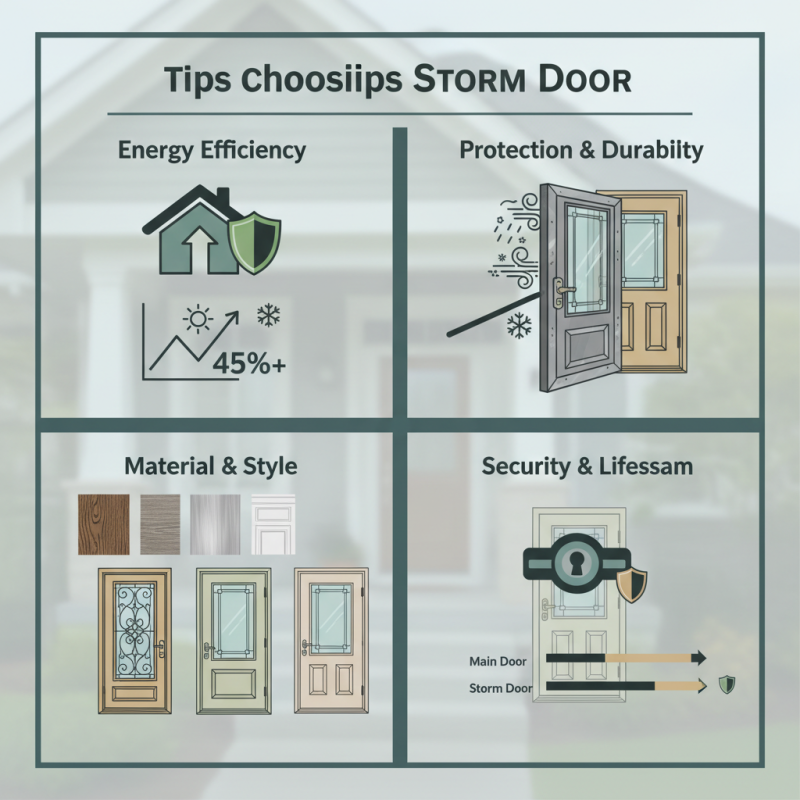
When it comes to enhancing the comfort and efficiency of your home, choosing the right storm door is pivotal. According to the American Institute of Architects, storm doors can help improve energy efficiency by as much as 45%, reducing heating and cooling costs throughout the year. With various styles, materials, and functionalities available on the market, homeowners often find themselves overwhelmed with choices. As Fred Albert, a leading expert in home improvement, states, "A well-selected storm door not only protects your home from the elements but also adds to its aesthetic appeal."
Beyond energy savings, storm doors play a crucial role in providing additional security and protection against harsh weather. Statistics from the National Association of Home Builders indicate that storm doors can significantly extend the lifespan of your main entry door by safeguarding it from rain, snow, and wind. This is particularly important in regions prone to severe weather conditions, where a robust storm door can be the difference between damage and durability. In this guide, we will explore essential tips for selecting the best storm door for your home, ensuring that you make a choice that enhances both functionality and style.
Understanding the Purpose and Benefits of Storm Doors
Storm doors serve a fundamental role in enhancing the efficiency and security of homes. They act as an additional barrier against harsh weather conditions, such as heavy rain, wind, and snow, while also providing an extra layer of security against potential intruders. According to the American National Standards Institute (ANSI), well-constructed storm doors can improve energy efficiency by 10-20%, significantly reducing heating and cooling costs. This energy efficiency is primarily achieved by trapping air between the storm door and the main door, creating a buffer that can help maintain a stable indoor temperature.
Moreover, storm doors offer homeowners increased durability and protection for their primary doors. Many storm doors are built with high-quality materials that resist corrosion and wear, which can extend the lifespan of your main entry door. A study by the National Association of Home Builders (NAHB) indicates that nearly 60% of homebuyers prioritize durability and energy efficiency when selecting door options, highlighting the growing importance of storm doors in modern residential design.
By incorporating a storm door, homeowners not only enhance aesthetic appeal but also contribute to the long-term sustainability of their homes.
Key Features to Look for in a Quality Storm Door
When selecting a quality storm door, several key features should guide your decision-making process.
First and foremost, consider the material of the door. Storm doors come in a variety of materials such as wood,
fiberglass, and aluminum. Each material has its own advantages;
for instance, fiberglass offers excellent insulation, while aluminum is highly durable and resistant to rust.
Choosing the right material can enhance both the aesthetic appeal and energy efficiency of your home.
Another critical characteristic to evaluate is the door's glazing options. Many storm doors feature interchangeable glass panels that can accommodate different weather conditions.
Look for doors that offer low-E (low-emissivity) glass, which helps to reduce heat transfer, enhancing energy efficiency.
Additionally, consider doors with built-in screens that can provide ventilation during mild weather while still protecting against insects.
This dual functionality can make your home more comfortable throughout the seasons.
Lastly, the door's locking mechanism and installation features should not be overlooked. A robust locking system is essential for security, while adjustable or easy-to-install designs
can save you time and effort during setup. Ensure that the storm door you choose has features that suit your home’s specific needs and that provide the best balance of
style, functionality, and security.
Choosing the Right Material for Your Storm Door
When choosing the right material for your storm door, it’s essential to consider both durability and aesthetic appeal. Common materials include aluminum, fiberglass, and wood, each offering distinct advantages. Aluminum doors are lightweight and resistant to rust, making them a practical choice for many homeowners. They often come with a variety of finishes, allowing for easy integration with your home’s existing design. Additionally, aluminum does not warp or split like wood, ensuring long-lasting performance.
Fiberglass doors, on the other hand, provide excellent insulation and energy efficiency. They can mimic the look of real wood while offering superior resistance to the elements. This makes fiberglass an ideal choice for those in areas with extreme weather conditions, as it maintains its integrity over time without the need for extensive maintenance. For a traditional look, wood doors remain a popular option, providing warmth and character; however, they may require more upkeep to prevent decay and damage from moisture. Ultimately, selecting the best material for your storm door will depend on your climate, maintenance preferences, and the overall style of your home.
Essential Tips for Choosing the Best Storm Door for Your Home - Choosing the Right Material for Your Storm Door
| Material |
Durability |
Energy Efficiency |
Maintenance |
Cost |
| Fiberglass |
High |
Excellent |
Low |
$$$ |
| Aluminum |
Medium |
Good |
Medium |
$ |
| Steel |
Very High |
Good |
High |
$$ |
| Vinyl |
Medium |
Fair |
Low |
$ |
Evaluating Styles and Designs for Your Home's Aesthetic
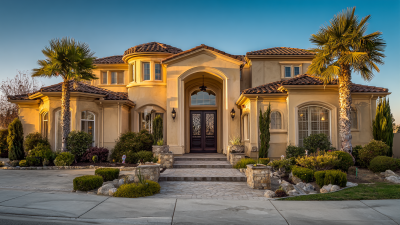
When selecting a storm door, the design and style should harmonize with your home's overall aesthetic. According to a report by the American Institute of Architects, over 75% of homeowners prioritize a cohesive look when making renovations or enhancements to their property. This highlights the importance of choosing a storm door that complements existing architectural features, such as window frames, entry doors, and siding materials. Considerations like color, texture, and design lines can profoundly impact the visual appeal of your home, making it essential to explore options that align with your personal taste and the architectural style of your residence.
In addition to aesthetic considerations, the functionality of different styles plays a key role in the selection process. A study by the National Association of Home Builders indicates that energy efficiency is often ranked as a top priority among homeowners. Certain designs provide better insulation and can significantly reduce energy cost, enhancing not only the value but also the comfort of your home. For example, storm doors with dual-pane glass or those equipped with low-E coatings can improve thermal performance, further integrating both form and function. By carefully evaluating these elements, homeowners can find a storm door that not only elevates their curb appeal but also contributes positively to energy savings and sustainability.
Installation and Maintenance Considerations for Storm Doors
When it comes to installing a storm door, there are several key factors to consider for ensuring both functionality and longevity. First, assess the door frame and entryway dimensions; a proper fit is crucial for optimal performance. Measure the height and width accurately to avoid gaps that could allow drafts and moisture to enter your home. As you choose a storm door, consider the material and construction—options like aluminum or fiberglass tend to offer better insulation and durability. Ensure that the door comes with weather stripping to enhance its energy efficiency.
Maintenance is also a critical aspect to keep your storm door in top condition. Regular inspections are important; check the hardware, hinges, and seals periodically for wear and tear. Clean the door with mild soap and water, avoiding abrasive materials that could damage the finish. Pay particular attention to the frame and tracks, as these areas can accumulate dirt and debris, leading to operational issues. It's also advisable to lubricate the moving parts, such as hinges and locks, to prevent rust and ensure smooth operation. By prioritizing installation and ongoing maintenance, you can enhance the longevity and effectiveness of your storm door.
Essential Tips for Choosing the Best Storm Door
This chart illustrates the key factors to consider when selecting a storm door, highlighting installation complexity, maintenance frequency, and cost-effectiveness.