View all current promotions and packages! Click Here!
Nassau/Suffolk
(516) 858-2492
Blog

Top 10 Anatomical Specimen Suppliers for Global Buyers

Selecting reliable Anatomical Specimen suppliers requires more than comparing catalogs or quoted prices. Medical schools, hospitals, and research institutions need documented provenance, informed consent, preservation records, and secure transport. Small details matter. A labeled container, stable temperature, and complete chain-of-custody record can affect educational value and institutional trust.

The World Health Organization’s Global Strategy on Human Resources for Health projects a potential global health-worker shortage of 10 million by 2030. This pressure increases demand for practical, high-quality anatomy training materials. OECD Health at a Glance 2023 reported an average of about 3.7 practicing physicians per 1,000 people across OECD countries in 2021. These figures do not directly measure specimen demand, but they show why scalable medical education remains important. The Association of American Medical Colleges also continues reporting growth in medical education capacity, creating further pressure on teaching resources.

This guide reviews ten suppliers serving international buyers, with attention to quality systems, ethical sourcing, documentation, and communication. It considers preserved specimens, anatomical models, and related educational materials within applicable national and institutional requirements. Supplier claims should still be independently verified. No ranking can replace legal review, institutional approval, or direct inspection of records. Some public information remains incomplete, and that limitation deserves attention. A trustworthy supplier should answer difficult questions clearly, including origin, consent standards, handling procedures, export eligibility, and post-delivery support. Reliability is demonstrated through evidence, not polished marketing language.
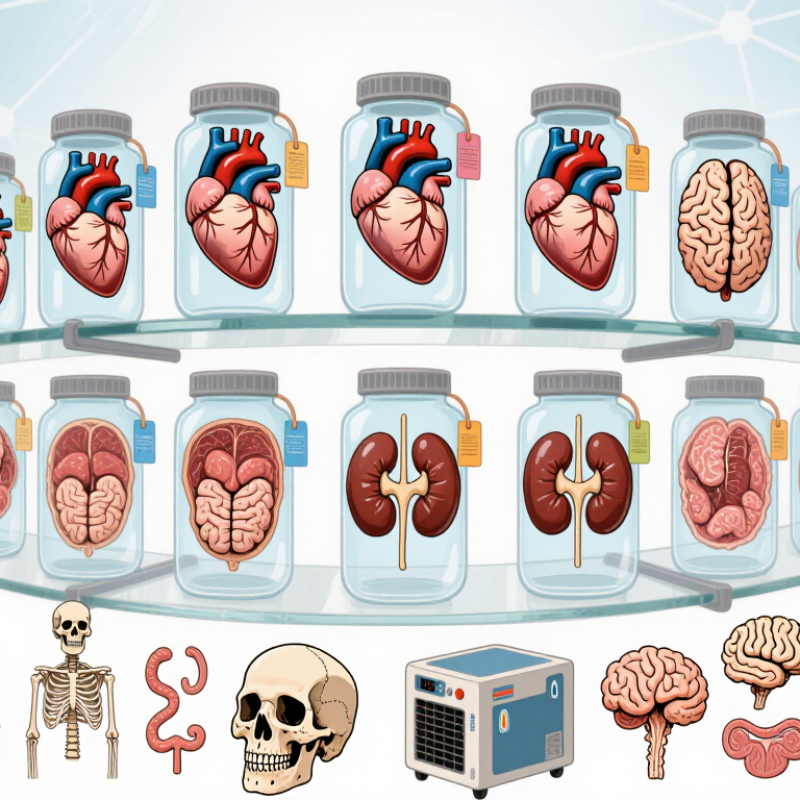
Top 10 Anatomical Specimen Suppliers for Global Buyers

Understanding Anatomical Specimen Suppliers and Their Role in Global Trade

Anatomical specimen suppliers support medical schools, research teams, and clinical skills programmes by providing specimens suited to defined teaching or study needs. Their role extends beyond delivery. Buyers should be able to check provenance, consent documentation, preservation method, storage conditions, and permitted use. Clear records matter. So does reliable packing: a specimen arriving warm or poorly labelled can be unusable. Requirements vary by destination, so buyers need to verify applicable institutional and national rules before ordering.

The wider workforce context helps explain why dependable training resources matter, but it does not prove specimen demand. The World Health Organization’s 2022 health workforce strategy cites a projected global shortfall of 10 million health workers by 2030. OECD’s Health at a Glance 2023 reports an average of 3.7 practising physicians per 1,000 people across OECD countries in 2021. Neither figure measures anatomical specimen purchasing. They do point to sustained pressure on education systems. In practice, buyers should compare tissue condition, anatomical detail, accompanying documentation, and delivery timelines—not price alone. A small defect can disrupt a lesson. Supplier claims also deserve scrutiny; glossy catalogues cannot replace traceable records.

Key Criteria for Evaluating the Top 10 Anatomical Specimen Suppliers

Choosing among the top 10 anatomical specimen suppliers requires more than comparing prices. A reliable supplier should provide documented provenance, donor consent records, preservation details, and clear intended-use restrictions. The WHO Laboratory Biosafety Manual, 4th edition, published in 2020, places risk assessment at the center of every laboratory activity. Buyers should therefore request shipment-specific safety documentation, not generic certificates. Cold-chain performance matters too. A damaged label or warm package can compromise months of research.

Quality systems deserve close inspection. ISO 20387:2018 emphasizes traceability, competence, impartiality, and controlled biological material management. OECD best-practice guidance also highlights identity, purity, viability, and stability. Ask suppliers how they measure each attribute. Request sample certificates, inspection photographs, temperature logs, and corrective-action records. A professional supplier should explain failure rates honestly. Perfect claims deserve caution.

Delivery capability is another practical test. Review average lead time, replacement policy, packaging validation, and export documentation. Compare at least three completed orders, if available. I would score each supplier against the same checklist, then verify critical claims independently. That process is slower. It is also safer. A low quotation may hide inconsistent anatomy, incomplete records, or weak post-delivery support. Even experienced buyers can overlook small inconsistencies, especially when supplier websites appear polished.

Regional Coverage, Product Categories, and Supplier Specializations

Global buyers should compare anatomical specimen suppliers by region, not just by catalog size. Regional coverage affects shipping time, temperature control, customs documentation, and access to local support. A supplier serving university labs across several countries may offer established export procedures, while a regional specialist may provide faster communication and more precise handling guidance. Ask how specimens are preserved, packaged, and tracked during transit. Details matter.

Product categories can include prepared teaching specimens, preserved organs, skeletal materials, and models for classroom demonstration. Specialization varies: some suppliers focus on medical education, while others support veterinary training or anatomical research. Check whether product descriptions state the specimen type, preservation method, condition, and intended educational use. Reliable suppliers should explain sourcing and consent documentation clearly. A polished catalog is useful, but it cannot replace answers to practical questions. I would still verify these details directly.

Tips: Request sample documentation and confirm delivery conditions before ordering. Compare regional coverage with your institution’s storage capacity and teaching needs. If details are vague, pause and ask again.

Top 10 Anatomical Specimen Suppliers for Global Buyers - Regional Coverage, Product Categories, and Supplier Specializations
Supplier Profile Typical Regional Coverage Product Categories Common Specialization Buyer Considerations
1. Human cadaver program provider Primarily domestic or regional; cross-border service depends on local law Whole-body donations, preserved anatomical material Medical education and professional anatomy training Confirm lawful donation, consent documentation, permitted use, and transport requirements.
2. Human prosection and teaching material provider Regional academic and clinical markets Dissected anatomical specimens, prepared teaching material Curriculum support for anatomy instruction Check preparation methods, preservation, labeling, and institutional-use restrictions.
3. Osteological material supplier International trade may be possible where regulations allow Human or animal skeletal material, casts, replicas Bone anatomy and comparative anatomy teaching Verify species identification, provenance, and applicable wildlife or human-remains rules.
4. Plastinated specimen provider Specialist distributors serve multiple regions Plastinated organs, sections, and whole-body specimens Durable, dry teaching specimens for repeated handling Ask about specimen origin, handling instructions, and export documentation.
5. Veterinary anatomy specimen provider Regional supply, often linked to veterinary education markets Animal organs, skeletons, preserved specimens Veterinary anatomy and species-comparison instruction Confirm species, animal-health controls, and import restrictions for biological material.
6. Histology and pathology teaching supplier Often serves domestic and international laboratory markets Prepared microscope slides, tissue sections, teaching sets Microscopic anatomy and pathology education Review slide labeling, staining method, storage needs, and any diagnostic-use limitations.
7. Anatomical model and replica supplier Broad international distribution is common Synthetic organs, skeleton models, anatomical casts Non-biological alternatives for classrooms and clinical skills training Check scale, material, level of detail, and compatibility with the intended curriculum.
8. Digital anatomy content provider Global access through online platforms, subject to licensing Digital dissection resources, 3D anatomy, image libraries Remote learning and virtual anatomy instruction Review user licensing, image permissions, accessibility, and data-security terms.
9. Surgical skills and procedural training provider Regional training centers; availability varies by specialty Procedure-specific anatomical material and training models Hands-on skills development for healthcare professionals Confirm intended training use, supervision requirements, and institutional approvals.
10. Laboratory preservation and specimen-preparation provider Usually serves nearby institutions; shipping depends on specimen type Fixed organs, preserved tissues, prepared laboratory material Specimen preparation and preservation for teaching or research Check chemical disclosures, packaging standards, and hazardous-material shipping rules.
Note: These are supplier categories, not a ranked list of named companies. Actual availability, sourcing, permitted uses, and cross-border shipment depend on the specimen and the laws of the origin and destination jurisdictions. Buyers should verify ethical provenance, consent where applicable, institutional approval, and import/export requirements before ordering.

Quality Control, Ethical Standards, and International Compliance

For global buyers, quality control begins with clear records, not polished sales language. Ask suppliers how each specimen was sourced, preserved, identified, and inspected. Documentation should support lawful consent or other valid authorization, traceability, and permitted educational or research use. Check that labels match the accompanying records. Small discrepancies matter.

Preservation quality is visible in practical details: intact structures, consistent storage conditions, and packaging that prevents leakage or damage. Request recent photographs and written inspection criteria before purchase. A photo cannot confirm everything. That limitation deserves attention.

International compliance requires checking the rules in both the exporting and importing jurisdictions. Permits, customs declarations, and transport conditions may differ by specimen type and destination. A reliable supplier should explain what documents it provides and what remains the buyer’s responsibility. Confirm details with qualified compliance staff or relevant authorities before shipment; assumptions can be costly. Ethical standards also need regular review. Policies may sound convincing, yet their real value depends on training, audits, and corrective action when records are incomplete. No supplier is beyond scrutiny.

Top 10 Anatomical Specimen Suppliers for Global Buyers

Quality control, ethical standards, and international compliance framework

The chart presents ten supplier-neutral due-diligence dimensions derived from internationally recognized requirements and guidance, including ISO quality systems, WHO biosafety principles, CITES, the Nagoya Protocol, UN 3373, and IATA infectious-substance transport rules. The values indicate the relative priority of each dimension for global buyers and do not represent or rank individual companies.

How Global Buyers Can Compare and Select the Right Supplier

Supplier evaluation
Global buyers should compare anatomical specimen suppliers on documentation, preservation quality, and communication—not price alone. Ask for clear records of ethical sourcing, institutional authorization, and relevant shipping or import requirements. Requirements vary by destination and intended use, so confirm them with your institution before ordering. A low quote means little if packaging cannot maintain the required condition during transit.

Request recent photographs and specifications, including dimensions, preparation method, and storage guidance. Check how specimens are labeled and whether the supplier can explain handling procedures. For temperature-sensitive materials, ask how shipments are monitored and what happens if delivery is delayed. Details matter. A prompt, specific answer is more useful than a polished sales promise.

Compare written quotations using the same requirements and delivery terms. Clarify replacement policies, lead times, and how concerns are handled after arrival. A checklist can miss practical issues: a specimen may be well documented yet unsuitable for a particular teaching setup. Leave room for questions, and record the reasons behind your choice. No supplier comparison is perfect.

Wait! You Forgot Your Free Estimate!

Call us at (516) 858-2492
for a free estimate or simply click the button below:

Submit Request Form
adelphic tracking pixel