What Are the Top BM Bags for Wholesale Buyers?
Wholesale buyers comparing bm bags need more than attractive product photos. They need dependable construction, clear specifications, and numbers that still work after freight and packaging costs. A sample can reveal what a catalog cannot: uneven stitching, a stiff zipper, or a lining that feels too thin. Small details matter.
For this guide, fictional sourcing specialist Maya Chen offers a practical principle: “Buy the sample you can inspect, not the promise you can’t.” The quote is illustrative, not a verified statement from a real industry expert. It captures a useful habit: request material details, dimensions, color options, minimum order quantities, production timelines, and written quality standards before placing a bulk order. Ask how defects are handled, too. Get terms in writing.
The best bm bags for wholesale buyers depend on the customers they serve. A lightweight everyday tote may suit a different shop than a structured shoulder bag with reinforced handles. Compare samples side by side, check seams under natural light, and test closures repeatedly. Then assess unit cost against expected retail pricing, shipping, and likely returns. Not every low quote is a bargain. A single sample still cannot predict every production run, and that uncertainty deserves attention. This overview will help buyers weigh styles, materials, suppliers, and order terms with care, while showing where a closer inspection may be worth the extra time.
Defining BM Bags and Their Wholesale Market
BM bags are best understood here as bags purchased in bulk for resale, retail packaging, events, or routine business use. “BM” is not a universally recognized material or construction standard, so buyers should confirm what a supplier means. The term can be fuzzy. A useful specification names the bag’s purpose, material, dimensions, handle type, printing, and packing method. For example, a buyer might request a 35-by-40-centimeter tote, a stated fabric weight, reinforced handle stitching, and a sample before approving a large order.
This market sits within a much larger business-to-business trade system. UNCTAD’s 2021 report, Estimates of Global E-commerce 2019 and Preliminary Assessment of COVID-19 Impact on Ecommerce, estimated global e-commerce sales at 26.7 trillion US dollars in 2019; business-to-business sales accounted for 21.8 trillion. These figures cover many industries, not bags alone, so they indicate the scale of online trade rather than bag-market size. Still, they help explain why wholesale buyers compare suppliers across regions and request clear product data before ordering.
For buyers, the practical work is often in the details. Check that the sample matches the quoted dimensions, inspect seams under light tension, and confirm how many units fit in each carton. Ask whether quoted weight refers to the fabric alone or the finished bag. Small differences matter. A low unit price can be misleading if quality varies between batches or shipping costs are excluded. A written specification will not prevent every mismatch, but it makes problems easier to identify.
Key BM Bag Styles and Their Typical Buyers
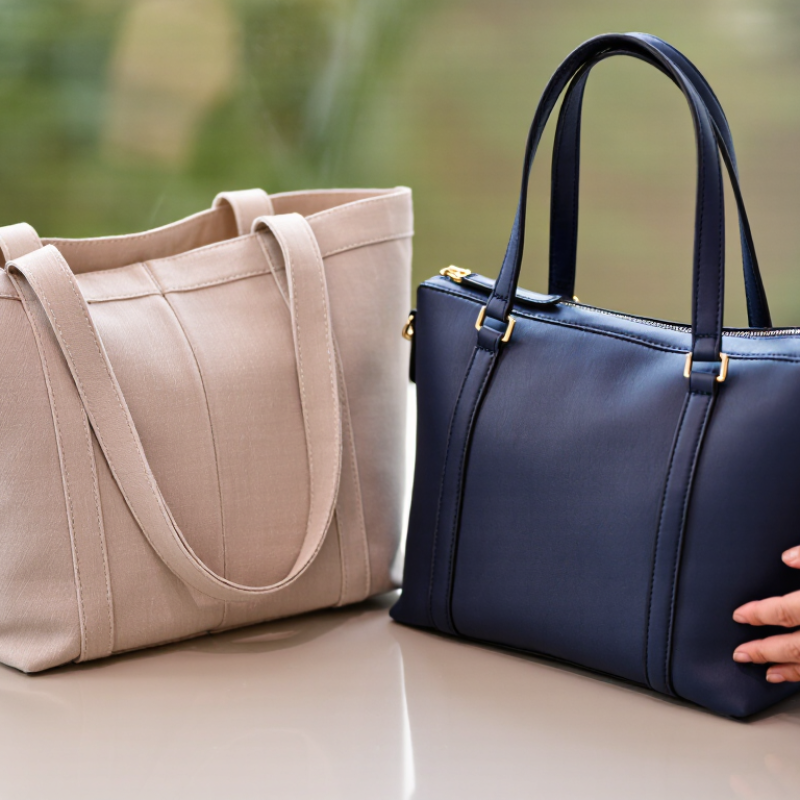
Structured top-handle bags suit boutiques serving customers who want a polished shape for work or special occasions. Buyers often look for firm panels, secure closures, and handles that feel comfortable after a full day. Medium sizes tend to be easier to merchandise than very small versions. But preferences vary by market, so sample feedback matters.
Roomy totes attract commuters, gift shops, and retailers in practical everyday categories. Mini shoulder bags appeal to trend-focused stores and shoppers carrying only a phone, card case, and keys. Crossbody styles can work well for travel-oriented shops because they leave both hands free. Wholesale buyers should compare strap adjustment, lining quality, and how each bag holds its shape when empty.
Tips: Order samples in more than one color. Check stitching near handles and straps, then test zippers several times. Ask suppliers for clear measurements and material details. Photos can hide stiffness, weight, or uneven edges.
A balanced assortment usually includes one structured style, one roomy option, and a compact shoulder bag. This gives stores different price points and use cases without filling shelves with near-duplicates. Review sell-through by size and color after the first order. I have found that forecasts are rarely exact; a shade that looks safe online may sit untouched in a real shop. Keep reorder quantities modest until customer response is clear.
What Are the Top BM Bags for Wholesale Buyers?
Typical bag styles, approximate capacity, and common retail buyers
Capacities are approximate, non-brand-specific examples; actual sizes vary by design. Mini shoulder and crossbody bags often suit fashion boutiques, totes suit lifestyle and gift shops, daypacks suit outdoor and school retailers, and duffels suit travel and sports retailers. The bars show the midpoint of each typical capacity range—not sales or market-share data.
Comparing Materials, Construction, and Price Points
For wholesale buyers, material choice affects appearance, handling, and replacement rates. Coated synthetic fabric often wipes clean and keeps a consistent finish, but lower grades may crack at fold lines. Canvas feels substantial and can suit everyday use, though it may absorb spills and add weight. Lightweight woven fabric reduces shipping weight. It can also feel less structured. Check samples under bright light and rub a pale cloth across dark surfaces; loose dye may transfer.
Construction deserves the same attention as the outer material. Inspect handle attachment points, seam spacing, zipper movement, and lining corners. A neat seam is reassuring, but not proof of durability. Ask suppliers for the same bag in production-grade materials, then compare stitching and dimensions with the approved sample. Load testing helps reveal weak handles. Test more than one unit, since workmanship can vary across a batch.
Price comparisons should include packaging, freight, defect allowances, and any inspection costs—not just the unit quote. A cheaper bag may need stronger packaging or more quality checks. That changes the real cost. Higher-priced options are not automatically better, either; extra hardware can add weight without improving daily use. Set a target price, then weigh it against the intended use and acceptable defect rate. The trade-off is rarely perfect. A small pilot order can expose issues before a larger commitment.
What Are the Top BM Bags for Wholesale Buyers? - Comparing Materials, Construction, and Price Points
The prices below are indicative USD per unit for orders of approximately 500–1,000 pieces with basic customization. They exclude freight, duties, and taxes; actual quotes vary by size, specifications, supplier, and order quantity.
| Bag type | Typical material | Common construction | Indicative wholesale price | Durability and trade-offs | Typical wholesale fit |
| Nonwoven shopping tote | Spunbond polypropylene (PP), commonly around 70–100 gsm | Heat-bonded fabric panels; stitched or heat-bonded handles; optional gusset | $0.35–$1.20 | Lightweight and economical for repeated use; less abrasion-resistant than woven canvas and not suited to heavy loads over long periods. | Events, retail promotions, and low-cost reusable shopping bags |
| Cotton canvas tote | Woven cotton canvas, commonly about 8–12 oz per square yard | Sewn body seams; reinforced handles; optional boxed corners or bottom gusset | $1.50–$4.50 | More substantial feel and generally more durable than lightweight nonwoven bags; heavier and often more expensive to ship. | Retail merchandise, gift programs, and reusable everyday totes |
| Recycled polyester (rPET) tote | Woven polyester made with recycled PET content; fabric weight and recycled content vary | Sewn panels and handles; commonly includes a top hem and optional inner pocket or gusset | $1.80–$5.00 | Lightweight, quick-drying, and resistant to routine moisture; performance depends on fabric weight, seam quality, and verified recycled content. | Reusable shopping, travel, and promotional programs seeking recycled-fiber options |
| Polyester daypack | Polyester fabric, often around 600D for the main body; lining may use a lighter fabric | Zippered main compartment; adjustable shoulder straps; reinforced stress points; optional padded back panel | $4.00–$12.00 | Suitable for everyday carrying when properly reinforced; zippers, stitching, padding, and hardware strongly affect longevity and cost. | School, commuter, travel, and employee or event kits |
| PU-coated fashion tote | Polyurethane (PU) coating over a textile backing, commonly polyester | Sewn body with finished edges; handles attached at reinforced points; optional lining, pocket, and zipper closure | $4.00–$12.00 | Offers a smooth, leather-like appearance and is easy to wipe clean; coating quality and care affect resistance to cracking or peeling. | Fashion retail, gifting, and mid-range promotional collections |
For accurate comparisons, request the same finished dimensions, fabric weight, handle length, print method, packaging, and testing requirements in each supplier quotation.
Assessing Demand, Quality, and Supplier Reliability
What Are the Top BM Bags for Wholesale Buyers?
Assessing Demand, Quality, and Supplier Reliability
Wholesale demand favors bags that balance everyday function with a clear price point. The State of Fashion 2024, by McKinsey & Company and The Business of Fashion, projected global fashion sales growth of 2–4% in 2024. That modest outlook makes trend-only buying risky. Structured totes, crossbody bags, and compact backpacks can serve different uses, but local customer preferences still matter. Check recent sales and customer feedback before committing to large quantities.
Tips: Request a production sample, then inspect stitching, zippers, lining, strap attachment, and color consistency. A polished sample can mislead. Test it twice. For supplier reliability, compare quoted lead times with actual shipment records, ask how defects are handled, and begin with a smaller order. Track defect rates and on-time delivery across repeat orders; friendly communication alone is not proof of dependable production.
Material claims also deserve scrutiny. Textile Exchange’s Materials Market Report 2024 estimated global fiber production at 124 million tonnes in 2023, with polyester accounting for 57%. This broad industry figure is not bag-specific, but it highlights why buyers should verify fiber content and request supporting documentation. Ask for clear material specifications, care guidance, and consistent batch records. Some suppliers may not provide perfect traceability, so note gaps rather than treating assurances as evidence.
Choosing the Right BM Bag Mix for Wholesale Stock
A wholesale BM bag mix should serve different shoppers, not just look varied on a shelf. Start with everyday shapes in practical colors, then add a smaller share of seasonal shades or distinctive details. Black, tan, and muted neutrals can work across many settings, while brighter colors help the display feel less repetitive. Keep it balanced.
Build the core around useful sizes. Compact bags suit light daily carry; medium styles offer room for a wallet, phone, and small notebook. Larger options may appeal to shoppers who carry more, but too many can tie up stock. A simple size chart and clear product photos make comparisons easier for buyers.
Check construction before placing a large order. Inspect stitching around handles, zipper movement, lining, edge finishing, and whether the bag holds its shape when lightly filled. Ask for material details and sample photos taken in natural light. Then compare the quoted price with packaging, lead time, and minimum quantities. It is tempting to chase the lowest unit cost; that can be a poor trade if finishing varies. A modest trial order can reveal which colors and sizes move, though it may not predict every season. Keep notes on sell-through and customer feedback, and adjust the next mix rather than repeating the same assortment by habit.