What Types of Glass Entry Doors Are Available?
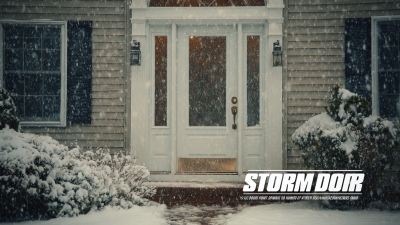
Glass Entry Doors can make an entrance feel brighter, more open, and more connected to the outdoors. Yet “glass door” describes several different designs, not one standard product. Some doors have a large glass panel, while others pair a smaller window with solid sections. Sidelights beside the door and a transom above it can bring in more daylight without changing the door itself. The right choice depends on the opening, desired privacy, local weather, and how much maintenance feels reasonable.
This guide explores common options, including full-lite, half-lite, and decorative glass doors, as well as configurations with sidelights or transoms. It also considers clear, frosted, textured, and patterned glass. Each offers a different balance of visibility and privacy. Small details matter. Frame materials, seals, glazing construction, and hardware can affect comfort, durability, and security, so compare product specifications rather than judging a door by appearance alone. Performance varies.
A bright entry can be appealing. It can also reveal more of the home than expected. There is no perfect option for every house, and a showroom may not show how a design feels in changing daylight. The sections ahead outline what each type offers, where it may fit, and which practical questions to ask before choosing. A qualified door professional can help confirm measurements and installation needs, especially for unusual openings or exposed locations.
How Glass Entry Doors Are Classified by Frame, Glazing, and Operation
What Types of Glass Entry Doors Are Available?
Glass entry doors are classified by frame material, glazing, and how the door opens. Common frames include wood, fiberglass, steel, and aluminum. Wood offers a warm, natural surface, while fiberglass can resemble wood with less upkeep. Steel feels sturdy, but exposed edges may need attention to prevent corrosion. Aluminum is light, though thermal performance depends on its design.
Glazing ranges from clear or decorative single panes to insulated double- or triple-pane units. Low-emissivity coatings can reduce heat transfer while keeping daylight.
The U.S. Department of Energy estimates that windows account for 25–30% of residential heating and cooling energy use. That figure applies to windows, not entry doors, but it shows why glass area and glazing performance deserve attention.
Check the National Fenestration Rating Council label for U-factor and solar heat gain coefficient, rather than judging glass by appearance alone.
Operation changes the feel of the entrance. Most doors are hinged, either as a single leaf or a pair; sliding and pivot designs are also available. A hinged door needs clear swing space, while a slider needs room beside the opening.
Small details matter. Sill height, weather seals, and handle reach affect daily use.
One catch: attractive glass can reduce privacy, especially near a walkway. Sample the view from both sides before choosing.
Frame Materials: Wood, Fiberglass, Steel, and Thermally Broken Aluminum
A glass entry door’s frame affects insulation, upkeep, strength, and appearance. Wood brings visible grain and a warm feel around clear or textured glass. It can suit older homes, but exposed edges may swell or peel when rain reaches them. Regular sealing helps, though maintenance is easy to underestimate. Looks matter.
Fiberglass frames resist moisture and usually need less upkeep than wood. Some have wood-like finishes, but color and texture vary by product. Their insulating properties can help reduce heat transfer, while correct installation still matters. Steel provides a rigid frame and a slim profile around glass. It can dent, and ordinary steel conducts heat readily; insulated cores and well-sealed joints improve performance.
Thermally broken aluminum uses an insulating separator between its inner and outer frame sections. This limits heat flow through the metal, while aluminum remains relatively light and supports narrow sightlines. Check that the door’s glass, frame, weatherstripping, and threshold are specified as a complete system. A strong frame cannot compensate for a poorly fitted threshold. No material is perfect. The right choice depends on local weather, exposure, and how much maintenance you can realistically manage.
Glazing Options: Single, Double, Triple, and Low-E Insulating Glass
Glass entry doors are available with single, double, or triple glazing, and with optional low-emissivity coatings. Single glazing uses one pane, so it usually provides the least insulation. Double glazing traps air or gas between two panes. Triple glazing adds another pane, but the heavier unit may need a stronger frame and careful hardware selection. More glass is not always better.
The Efficient Windows Collaborative’s glazing comparison lists center-of-glass U-factors of about 1.04 for single clear glass, 0.48 for double clear glass, and 0.31 for double low-E glass, in Btu/h·ft²·°F. Lower U-factors indicate less heat transfer. These figures describe the glass center, not the complete door. Frames, spacers, and installation also affect performance. Small details matter.
Low-E coatings reflect some heat while allowing visible light through. In cold climates, they can help limit indoor heat loss; in sunny climates, the right coating can reduce unwanted solar heat. Check the door’s NFRC label for whole-unit U-factor and solar heat gain coefficient, rather than judging by pane count alone. Triple glazing can suit very cold or noisy locations, but its cost and weight deserve a second look. The best choice depends on exposure, climate, and how the doorway is used.
What Types of Glass Entry Doors Are Available?
Typical center-of-glass U-factors for common glazing options (W/m²·K). Lower values indicate better insulation.
Representative values: single clear glass, 5.7; double clear glass, 2.8; double low-E glass with argon, 1.4; triple low-E glass with argon, 0.8. Actual performance varies with glass coatings, gas fill, spacer, and product construction. Whole-door performance may differ from center-of-glass values.
Operating Styles: Hinged, Sliding, Pivot, and French Entry Doors
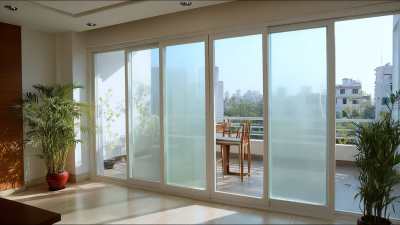
Hinged glass doors swing from side-mounted hinges and suit entries with clear floor space. Their seals can close tightly, but the open leaf needs room away from furniture and walkways. Sliding doors travel along a track, so they preserve that space. They feel open. Check the track for grit and confirm the panels glide smoothly; a small obstruction can make daily use frustrating. Pivot doors rotate around floor and head-mounted points, creating a broad, dramatic opening. Their weight and clearance need careful planning, and the installation may be less forgiving than a standard hinged unit. French entry doors use two hinged leaves, often opening from the center. They bring in daylight, though both leaves require enough swing space.
Compare operation with the glass specification, not appearance alone. The U.S. Department of Energy’s Energy Saver guidance estimates that heat gain and loss through windows accounts for about 25–30% of residential heating and cooling energy use. That figure concerns windows, not entry doors, but it highlights why glazed assemblies deserve attention. Ask for the door’s U-factor and solar heat gain coefficient, then consider local climate and sun exposure. A low threshold may ease access, yet water management still matters. Even an attractive pivot door can feel awkward if its swing crosses a narrow landing. Check clearances and hardware in person when possible.
Safety and Efficiency: CPSC Category II (400 ft-lb), NFRC U-Factor, and SHGC
For a glass entry door, safety starts with the glazing—not just the frame or lock.
CPSC Category II glazing is tested to withstand an impact of 400 ft-lb. That rating helps buyers compare impact performance, but it does not mean a door is indestructible. Check the product documentation and confirm that the glass type and door configuration meet applicable safety requirements. Small details matter, including the glass marking and how the door is installed.
Energy performance depends on two NFRC figures. U-factor measures how readily heat passes through the door; a lower value generally means better insulation. Solar Heat Gain Coefficient, or SHGC, measures how much solar heat enters through the glazing. Lower SHGC can help limit hot afternoon sun, while a higher value may be useful where winter sunlight is welcome. There is a trade-off.
Look at both ratings together, not in isolation. A sunny south-facing entry may need different glazing from a shaded, wind-exposed doorway. Also check the rating for the complete door assembly, since glass alone does not reveal how the frame performs. Numbers help, but site conditions can complicate the choice. A small oversight, such as ignoring direct sun, may affect comfort more than expected.