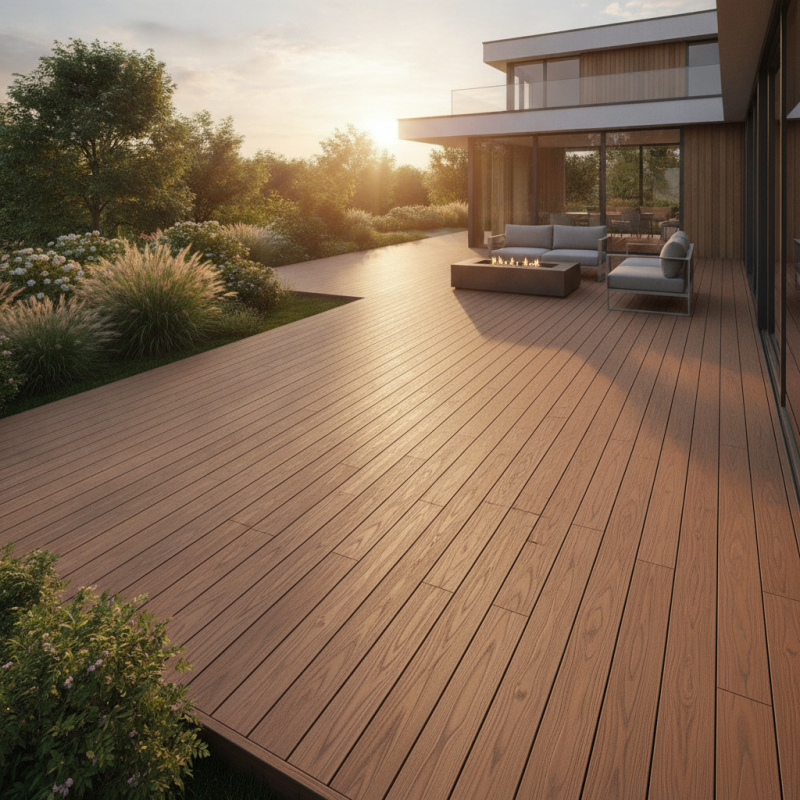
What is Wpc Composite Decking and Why is it Popular?
Wpc Composite Decking has become a favored choice for many homeowners. This innovative material blends wood fibers and plastic, creating a durable product. The appeal lies in its low maintenance requirements. Unlike traditional wood, Wpc Composite Decking resists rot and insects effectively.
Beyond practicality, it offers aesthetic charm. Available in various colors, it mimics natural wood grain beautifully. Many consumers appreciate its sustainability aspect as well. Choosing Wpc Composite Decking means opting for a product with a reduced environmental footprint.
However, not all Wpc products are created equally. Some may fade over time, and quality can vary by brand. It's essential to do thorough research. Understanding these factors will lead to a more informed choice. Ultimately, while Wpc Composite Decking is popular, buyers should weigh its pros and cons carefully.
What is WPC Composite Decking?
WPC composite decking, made from wood fibers and plastic, is rising in popularity. The mix provides a sustainable alternative to traditional wood decking. According to a report by the Freedonia Group, the WPC decking market is expected to reach $5.5 billion by 2025, highlighting its increasing demand.
One key reason for the appeal of WPC decking is its durability. Unlike natural wood, it resists fading, rotting, and insect damage. This longevity makes WPC a practical choice for homeowners. Many enjoy its aesthetic, as it mimics the look of wood while requiring less maintenance. However, some users report issues with slipping on wet surfaces.
Moreover, WPC decking is an eco-friendly option. It uses recycled materials, which helps reduce waste. The National Association of Home Builders notes that many consumers prioritize sustainability in their purchasing decisions. While WPC offers numerous benefits, potential buyers should consider its thermal expansion when exposed to heat. Selecting the right materials and installation techniques is essential for optimal performance.
Composition and Materials Used in WPC Decking
WPC composite decking is made from wood fibers and recycled plastic. This combination offers durability and aesthetic appeal. The wood fibers provide a natural wood look, while the plastic makes it resistant to moisture and pests. This material does not warp or splinter, making it a safer choice for outdoor spaces.
Using WPC decking can be environmentally friendly. By incorporating recycled materials, it reduces waste. However, quality can vary significantly among different manufacturers. Some products may fade or scratch easily in direct sunlight. It's vital to select decking that balances aesthetics with longevity.
**Tip:** When considering WPC decking, check for warranties or guarantees. This can indicate the manufacturer’s confidence in their product.
The composite material is often mixed with additives. These can enhance color retention and provide UV protection. Always inspect the product composition carefully; it affects performance. Some WPC decking options may feel less like natural wood, which might not appeal to everyone.
**Tip:** Consider your climate when choosing decking. In high heat, some WPC materials can become hot underfoot. Ensure you test samples before making a decision.
What is Wpc Composite Decking and Why is it Popular? - Composition and Materials Used in WPC Decking
| Dimension | Description |
| Material Composition | Wood fibers and plastic, typically recycled |
| Durability | Resistant to rot, decay, and insects |
| Maintenance | Low maintenance, requires occasional cleaning |
| Eco-Friendliness | Made from recycled materials, more sustainable than traditional wood |
| Aesthetic Options | Available in various colors and textures to mimic natural wood |
| Cost | Generally more economical in the long term due to durability |
| Installation | Can be installed using standard tools, often with hidden fasteners |
Advantages of WPC Composite Decking Over Traditional Materials
WPC composite decking is gaining traction for several reasons. This material combines wood fibers and plastic, offering both durability and aesthetics. It stands out compared to traditional options like wood or concrete. One major advantage is its resistance to decay, which means less maintenance over time. Homeowners appreciate not having to sand or stain their decks regularly.
Another benefit is the sustainability of WPC decking. Many products are made from recycled materials. This choice is increasingly important for environmentally conscious consumers. You can enjoy a beautiful outdoor space while reducing your carbon footprint.
Tip: Look for products with high recycled content to ensure sustainability.
WPC decking also provides a slip-resistant surface. This feature is crucial for homes with children or pets. Compared to traditional wood, its surface remains safer, even when wet. While some may worry about fading, advances in technology are improving
color retention.
Tip: Choose lighter colors for better heat resistance.
One downside is that WPC can be more expensive upfront. However, the
long-term savings on maintenance make it a worthwhile investment. Consider the initial cost versus ongoing upkeep when making your decision. The benefits may outweigh the initial price for many homeowners.
Environmental Impact and Sustainability of WPC Decking
WPC decking, made from wood and plastic composites, offers a sustainable alternative for outdoor spaces. This material reduces the need for virgin wood, helping to preserve forests. Its production also minimizes waste, using materials that might otherwise end up in landfills. However, environmental concerns arise from the plastic content, which can take centuries to degrade.
Despite its benefits, WPC decking still relies on synthetic materials. This may lead some consumers to question its overall sustainability. Additionally, while it requires less maintenance than traditional wood, the lifespan varies based on environmental factors.
The popularity of WPC decking lies in its blend of practicality and eco-friendliness. Homeowners appreciate its durability and aesthetic appeal. Still, it’s essential to weigh these advantages against potential ecological impacts. As consumers, we must reflect on our choices and consider both immediate benefits and long-term implications.
Popularity of WPC Composite Decking by Material Preferences
Installation and Maintenance Tips for WPC Composite Decking
WPC composite decking has gained traction as a durable and aesthetically appealing choice for outdoor spaces. When considering installation, it's crucial to start with a solid foundation. Ensure that the surface is clean and level. Incorrect preparation can lead to uneven surfaces and water pooling, which may cause damage over time.
During installation, maintaining proper spacing is essential. This helps in managing expansion and contraction due to temperature changes. Not adhering to spacing guidelines might lead to warping or buckling. Use fasteners recommended for composite materials. Standard nails may not be suitable and could lead to issues later.
Maintenance is relatively simple but has its own challenges. Regular cleaning is necessary to keep the decking looking its best. A mixture of soap and water can remove dirt and mold. Avoid harsh chemicals; they can contribute to surface damage over time. Seasonally inspecting for wear and tear is a must. Overlooking this step might exacerbate minor issues, leading to costly repairs.