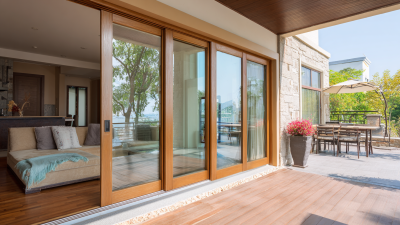
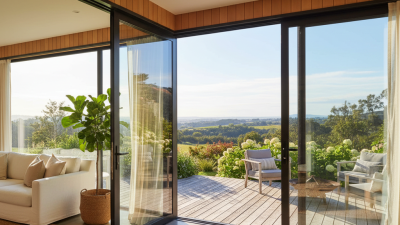
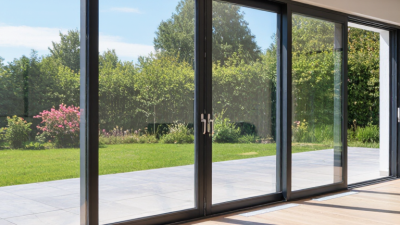
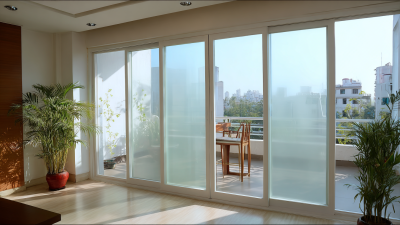
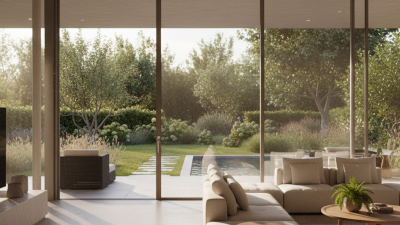
Choosing a Double Sliding Door is about more than finding a style that suits your room. The right choice should fit the opening, move smoothly, and perform well in your local climate. Start by considering how people use the space. A patio entrance may need a wider clear opening, while a room divider may place greater value on privacy and sound control.
Measure the opening at several points, since older walls and floors are not always perfectly square. Small differences matter. Check the frame material, glass type, panel weight, and track design before comparing prices. Low-e glazing can help manage heat transfer, while suitable seals may reduce drafts; actual performance depends on the product and installation. Ask for documented specifications rather than relying on broad claims. Clear answers are useful.
Think about daily maintenance, too. Dirt can collect in tracks, and heavy panels may be harder to move if hardware is poorly matched. If children, pets, or frequent traffic are part of your household, ask about safety glazing, secure locks, and accessible operation. These details are easy to overlook. They matter later.
A product photo cannot show how a door will feel in your home. If possible, test a display model and have a qualified installer assess the opening. Compare the full installed cost, not just the door price. Some trade-offs remain: larger glass areas bring more daylight, but they may also affect privacy and heat gain. The best Double Sliding Door is the one that fits your space, needs, and budget—not simply the most impressive option.
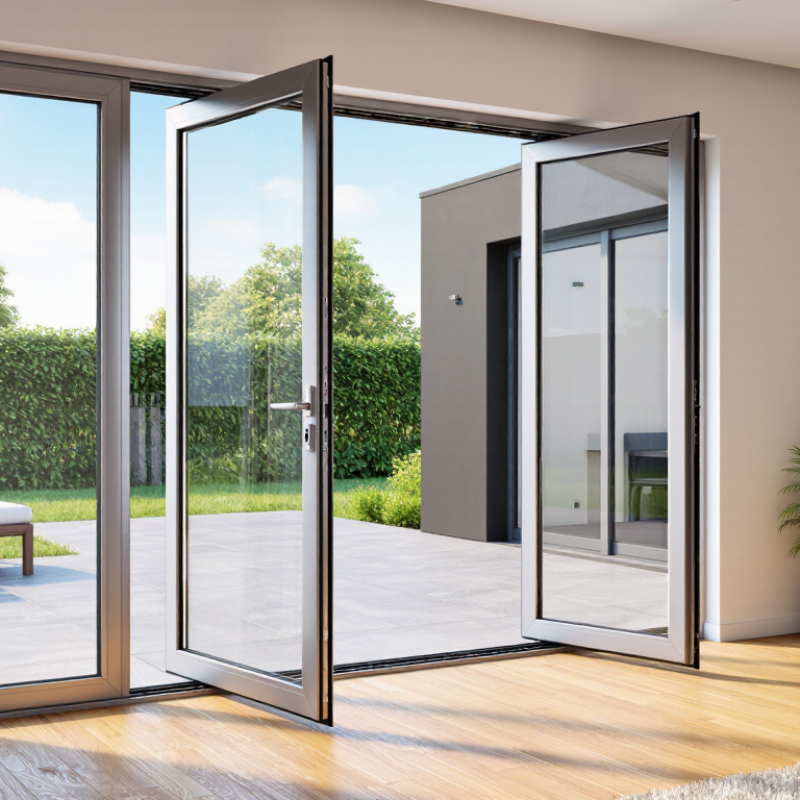
A double sliding door needs room for two panels and a clear path through the opening. Measure the opening’s width and height at several points; older walls are not always square. Then check how much wall space the panels need when open. A light switch, radiator, or adjoining doorway can interfere with their travel.
Measure twice. Also note the floor surface and any changes in level. A track may sit above the floor, while a recessed track needs careful installation and maintenance. Think about who uses the doorway and what passes through it: a laundry basket, a stroller, or a wide chair may need more clearance than people walking side by side. This is easy to overlook.
Your requirements matter as much as the measurements. Decide whether you want to separate rooms, share light, or reduce noise; glass, panel thickness, and seals affect those goals differently. Check the wall structure and the door system’s stated weight limits with a qualified installer before choosing hardware. For bedrooms or busy family areas, consider privacy, finger-safe gaps, and how easily the track can be cleaned. There may be a trade-off: the widest opening is not always the easiest option to fit or maintain.
When choosing a double sliding door, compare the whole system, not just the panels. Vinyl frames need little upkeep, while wood offers a warm, natural finish but may need periodic painting or sealing. Aluminum can support slim sightlines, though frame performance depends on its thermal design. Check the manufacturer’s published ratings for air leakage, water resistance, and energy performance. A beautiful frame is not automatically a comfortable one.
Configuration affects how the room works. Two-panel doors may have one moving panel and one fixed panel, while center-opening designs let both panels slide apart. Wider systems can use several panels or stack to one side, but they need enough wall space and a suitable track. Measure the actual clear opening, not only the frame size. Check threshold height, drainage, and weather seals, too. This detail is easy to miss, especially when a floor finish is planned later.
Tips: Visit a showroom and slide a sample door yourself. Notice whether it moves smoothly and feels stable. Ask how much maintenance the frame and rollers need. Also consider glare, privacy, and the direction of prevailing rain; specifications alone can’t answer every comfort question.
| Category | Option | Typical characteristics | Points to consider | Often suited to |
|---|---|---|---|---|
| Door and Frame Materials | ||||
| Door material | Vinyl (uPVC) | Low-maintenance frames; does not need painting and generally resists moisture and corrosion. | Frame profiles can be bulkier than some alternatives. Color, size, and structural options vary by system. | Homes prioritizing straightforward maintenance and value. |
| Door material | Aluminum | Strong, relatively lightweight frames can support narrow sightlines and large glass panels. | Aluminum conducts heat, so thermal breaks and suitable glazing are important for insulation. | Contemporary designs, wide openings, and areas where slim frames are preferred. |
| Door material | Wood | Natural appearance, good insulating properties, and the option to refinish or change the surface color. | Exterior finishes may need periodic upkeep; exposure to moisture and sunlight can affect the finish. | Traditional interiors or projects where a natural finish is a priority. |
| Door material | Fiberglass | Typically resists moisture and corrosion, with less routine upkeep than many wood finishes. | Availability, appearance, and frame dimensions vary among product systems. | Locations where moisture resistance and limited maintenance are important. |
| Frame option | Thermally broken aluminum | A non-metallic barrier within the frame reduces heat transfer compared with a non-thermally-broken aluminum frame. | Check the complete door's tested energy performance; the thermal break alone does not determine it. | Projects that want aluminum sightlines while addressing heat transfer. |
| Frame option | Composite or clad construction | Combines materials—for example, a wood interior with a protective exterior cladding—to balance interior appearance and weather exposure. | Construction and maintenance requirements depend on the specific combination and finish. | Projects seeking a particular interior finish with added exterior protection. |
| Common Double Sliding Configurations | ||||
| 2-panel | OX or XO | One panel slides and one panel is fixed. “O” commonly indicates the fixed panel; “X” indicates the sliding panel. The position depends on the selected handing. | Only one panel opens, so the clear opening is narrower than the full frame width. | Patios and rooms where a simple, space-saving opening is sufficient. |
| 2-panel | XX (both panels slide) | Both panels are operable and can generally move toward either side, depending on the track design. | Confirm the track, meeting stile, locking arrangement, and usable opening; some systems allow panels to overlap. | Openings where flexible access from either side is useful. |
| 3-panel | One sliding panel with two fixed panels | Provides a wider glazed area than many standard 2-panel layouts while retaining a single moving panel. | The opening remains limited to the moving panel's travel and position. | Wider walls where expansive glazing is desired but a single operating panel is acceptable. |
| 3-panel | Three-panel multi-slide | Two or more panels may slide, depending on the system; panels can stack or overlap along the track. | Track layout, panel stacking space, threshold, and operating weight should be checked before ordering. | Projects needing a larger clear opening than a basic 2-panel door can provide. |
| 4-panel | OXXO | Two center panels slide outward, while the two outer panels are fixed. | Creates two openings rather than one continuous opening; the center meeting point needs a suitable seal and lock. | Wide openings where access on both sides of a central fixed area is practical. |
| 4-panel | Four-panel multi-slide | Panel movement and stacking vary by track design; some systems allow several panels to move to one or both sides. | Requires careful planning for panel storage, structural support, track capacity, and weather sealing. | Large openings where a broad, flexible connection between indoor and outdoor spaces is required. |
Selection tip: Compare the complete door system—not just the material—including glazing, weather seals, hardware, threshold, tested air and water performance, and installation requirements. Available sizes and configurations vary by manufacturer and local building conditions.
Choose the glass before comparing frame finishes. Double glazing creates an insulating air space, while low-emissivity coatings help limit heat transfer. For colder climates, ask whether the cavity contains argon and whether the frame includes a thermal break. Check the NFRC label: its U-factor indicates heat loss, and its solar heat gain coefficient shows how much solar heat enters. Lower U-factors generally mean better insulation. The U.S. Department of Energy’s Energy Saver guidance says heat gain and loss through windows account for about 25–30% of residential heating and cooling energy use. That figure is not a promise of savings from one door; climate, installation, and existing heating systems all matter. Small details matter.
For safety, specify glazing rated for doors, such as tempered or laminated glass, and confirm applicable local requirements. Tempered glass breaks into smaller pieces; laminated glass uses an interlayer that can help hold fragments together. Both have trade-offs. Laminated panes can add weight, so check that the track and rollers suit the complete door assembly. Ask to see performance ratings and inspect the bottom track in person: a smooth sample can still collect grit or drain poorly after installation. Do not overlook the lock, either. A secure glass panel means little if the meeting stile, frame, or latch feels loose.
A double sliding door should move smoothly without demanding a hard pull. Pay close attention to the track. A low-profile floor track looks neat, but it may collect grit and need frequent cleaning. Raised tracks can guide panels securely, though they may catch shoes or wheels. Check how the track handles water if the doorway opens outdoors. Drainage matters. Also confirm that the track length lets both panels slide fully clear of the opening.
Hardware affects both comfort and service life. Rollers should match the door’s weight, and adjustment points should remain accessible after installation. Ask whether the fasteners resist corrosion in your setting, especially near a kitchen, bathroom, or exterior entrance. A soft-close feature can reduce slamming, but it cannot correct a poorly aligned panel. Handles need enough clearance so they do not collide as the doors pass. This detail is easy to miss.
Test a sample or installed door if possible. Slide each panel slowly, then at a normal walking pace. Notice any scraping, rattling, or sudden resistance. A little sound is not always a defect, but a door that drifts or sticks deserves attention. I would not judge operation from one quick demonstration; dust, uneven flooring, and everyday use can change how the system feels. Check the adjustment instructions and maintenance needs before choosing.
Before choosing a double sliding door, check the opening, floor level, and exterior drainage. A wider glass panel can require a stronger header or changes to the frame. Measure the opening in several places; old walls are rarely perfectly square. Measure twice. Confirm who will handle flashing, insulation, and sill drainage, since small installation gaps can invite drafts or water. The U.S. Department of Energy’s Energy Saver guidance estimates that windows account for 25–30% of home heating and cooling energy use. That figure covers windows broadly, not every sliding door, but it underscores why tight seals and suitable glazing matter.
Maintenance is modest, but not zero. Ask whether the rollers and weather seals can be replaced without removing the whole door. Keep the track clear of grit, and check for water pooling after heavy rain. I would not assume a low-maintenance label means no upkeep; tracks still collect dust and pet hair. Before approving the quote, compare the full installation scope, including disposal, trim repairs, and any structural work. Small omissions add up.
For a budget reference, Remodeling’s 2024 Cost vs. Value Report estimated a typical patio-door replacement project at $2,138, with $1,903 in resale value, or 89% of its cost. This is a national benchmark, not a quote for a double sliding door; size, glazing, labor, and repairs can change the total substantially. Ask for an itemized estimate and compare warranties on the frame, glass, hardware, and installation.
Call us at (516) 858-2492
for a free estimate or simply click the button below: