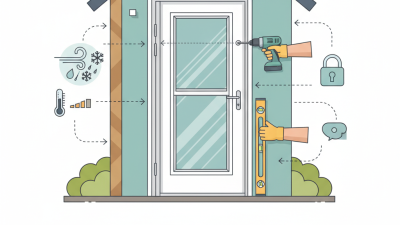
House Doors shape how a home looks, feels, and works each day. They welcome visitors, soften street noise, and help separate busy rooms from quiet ones. Yet choosing a door is rarely just a style decision. A solid front door may suit a home exposed to wind and rain, while a glazed option can bring daylight into a shaded entry. Small details matter. The frame, hardware, finish, and direction of swing can all affect comfort and ease of use.
Different types serve different spaces. Hinged doors are familiar and versatile, while sliding doors can save space or connect a room to a patio. French doors add a broad opening and a traditional look; bi-fold designs can fold back to open a larger passage. Interior doors may be hollow-core, solid-core, or glazed, each with different levels of privacy, weight, and sound control. A practical comparison should consider the room, available clearance, maintenance, and local weather exposure. Check the manufacturer’s specifications, and ask a qualified installer when fit or structural changes are uncertain.
It is tempting to choose by appearance alone, but a beautiful door can feel awkward if it blocks a narrow hallway or needs more upkeep than expected. No single type suits every home. This guide explores common House Doors, their typical uses, and the trade-offs that can help you make a more informed choice.
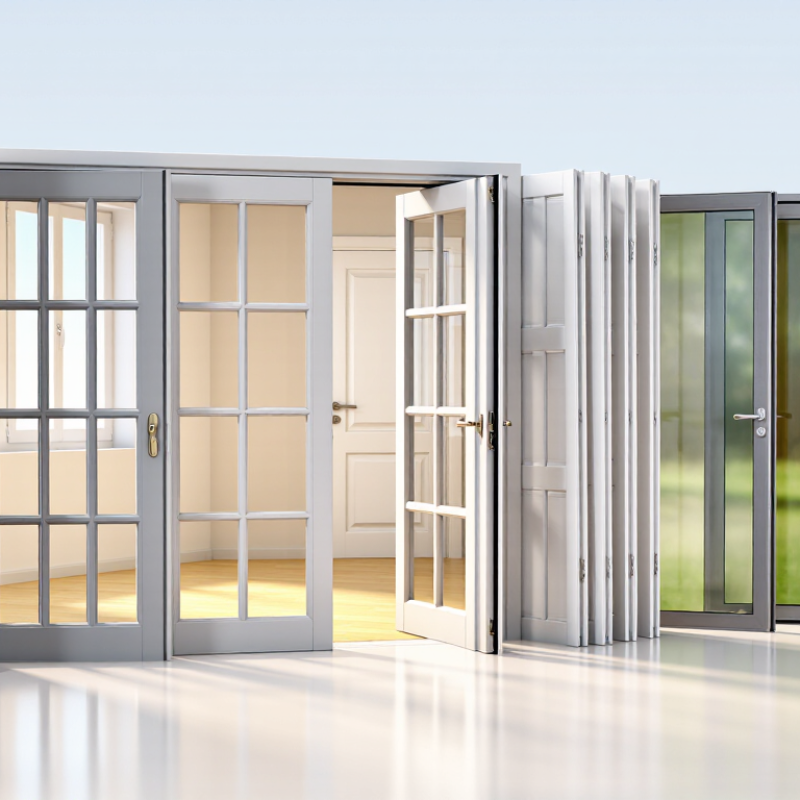
House doors differ not only in material, but in how they move through a room. Hinged doors swing on side-mounted hinges and suit bedrooms, bathrooms, and many entryways. They are simple to operate, but need clear floor space. A door that strikes furniture is a daily annoyance.
Sliding doors travel along a track, making them useful beside patios or in tight rooms. Keep the track clear; grit can make movement rough. Folding doors stack panels to open a wider passage, though their hardware and panel alignment need attention. Pivot doors rotate around a floor-and-header pivot rather than a side hinge. Their broad swing can look striking, but the opening and surrounding circulation must be planned carefully. Space matters.
Operation also affects comfort. The U.S. Energy Information Administration’s 2020 Residential Energy Consumption Survey reports that space heating accounted for 42% of U.S. residential site energy use. That figure is not specific to doors, but it underlines why a well-fitted, weather-sealed exterior door matters.
Check for drafts and smooth movement after installation; a beautiful door that binds is still a problem. Real homes rarely match showroom dimensions perfectly.
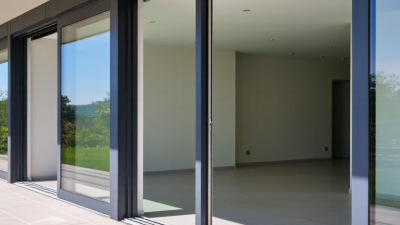
Exterior doors may be steel, fiberglass, wood, or glazed designs, but their appearance does not reveal how well they control heat. Check the NFRC label. U-factor measures heat transfer; lower values mean better insulation. SHGC measures how much solar heat passes through; lower values limit heat gain. Ratings matter. The National Fenestration Rating Council uses standardized testing and certification, making these figures useful for comparing products.
Climate changes the trade-off. A low SHGC can help keep a sunny room cooler, while a lower U-factor can reduce heat loss on cold nights. The U.S. Department of Energy’s Energy Saver guidance estimates that windows account for about 25–30% of residential heating and cooling energy use; this is not a door-specific figure, but it shows why ratings for glazed door panels deserve attention. A solid door may have little glass, yet its frame, edge seals, and installation still affect real-world performance. A rating is not the whole story.
Tips: Compare NFRC-certified U-factor and SHGC values for doors with similar glass areas. Match SHGC to local sun exposure, then check weatherstripping and the threshold. A draft can undo some gains. DOE Energy Saver guidance and NFRC rating information are useful references.
An entry door is the main passage into a home. It usually needs a sturdy frame, reliable locking hardware, and weather seals around its edges. On a rainy day, a tight seal helps keep drafts and water away from the hallway. A storm door sits outside the entry door, adding another layer against wind and weather. Many have glass panels that can be swapped for screens in warmer months. Different jobs. Check that both doors can open freely without hitting each other.
A patio door connects indoor rooms with an outdoor space. Sliding models save floor space, while hinged pairs need room to swing. Large glass panels bring in daylight, but the threshold and seals deserve attention; worn ones can let in drafts. A screen door may cover an entry or patio opening. Its mesh allows air through while helping keep insects out. It is not a substitute for a secure entry door or a weather-tight barrier.
The names can blur in everyday conversation, so function is a useful guide. A storm door is mainly a protective outer layer; a screen door is mainly for ventilation. Some doors offer both features, but their frames and hardware still matter. Small detail. Look for smooth movement, intact seals, and mesh without tears. A door that looks right but sticks in its frame may need adjustment, not just a new handle.
Panel doors use raised or recessed sections to add shadow and visual depth. They suit traditional rooms, but grooves collect dust. Flush doors have smooth faces and simple lines. They work well in compact, modern spaces where visual calm matters.
French doors bring daylight between rooms through glass panes, though they offer less sound privacy. Pocket doors slide into the wall, saving floor space; check the cavity for wiring or plumbing before choosing one. Barn doors slide along an exposed track. They look striking, but leave gaps and need clear wall space. Measure carefully.
For accessible routes, ICC A117.1 specifies a minimum 32-inch clear door opening. A door’s nominal width alone does not guarantee that clearance.
The 2024 Houzz & Home Study reported median U.S. renovation spending of $24,000 in 2023. That figure covers many project types, not door styles, but it underscores why fit and use deserve attention before finishes.
Small rooms matter. A barn door may solve a swing problem, yet its track can gather dust and its limited privacy may disappoint. Door choice is not only about appearance. It is also about clearance, light, noise, and daily habits.
What Are the Different Types of House Doors?
A solid door is only part of a secure entry. The lock, strike plate, frame, and installation all matter. ANSI/BHMA grades help compare lock performance under standardized tests. For cylindrical locksets, ANSI/BHMA A156.2 sets cycle-endurance benchmarks: Grade 1 is tested for up to 1 million cycles, Grade 2 for 400,000, and Grade 3 for 200,000. These figures describe tested endurance, not a guarantee against forced entry. Grade 1 is often selected for heavy-use locations; Grade 2 suits many homes. Grade 3 is a basic-duty option. A higher grade can be sensible, but a weak door frame can still be the weak point.
Tips: Check the grade on the lock’s certification or product documentation, and confirm which ANSI/BHMA standard applies. A156.2 covers cylindrical locks; other lock types may use different standards. Use long screws suited to the frame when securing the strike plate, and check that the bolt fully enters it. Small details matter.
A practical check: close the door and look for movement around the latch. If the strike plate shifts, or the door does not sit squarely, address that before relying on a higher-grade lock. Grades help you compare tested products, but they do not assess every part of your entry. That gap is easy to overlook.
Call us at (516) 858-2492
for a free estimate or simply click the button below: