Choosing a Double Hung Window involves more than comparing prices or frame colors. The right product should suit the building, local climate, and everyday habits of the people using it. In this guide, we look at ten manufacturers with established window offerings across different markets.
A double-hung design has two vertically sliding sashes. Both can open, allowing flexible ventilation, and some models tilt inward for easier cleaning. That detail matters when a window faces a busy street or sits above a garden bed. Frame materials, glass packages, hardware, and available sizes can vary widely between brands.
This overview considers product range, manufacturing experience, published specifications, warranty information, and the availability of service or installation support. These factors help readers ask more useful questions when comparing options. A long warranty is worth examining closely; coverage may differ by component, location, and installer. Product claims should also be checked against current technical documents.
No single ranking fits every home. A well-insulated model may suit a cold region, while ventilation and moisture resistance may matter more elsewhere. Even careful comparisons have limits. Availability changes, and local dealers may offer different configurations. Use this list as a starting point, then confirm dimensions, performance ratings, and service terms directly with the manufacturer or an authorized dealer. A small specification can make a real difference.
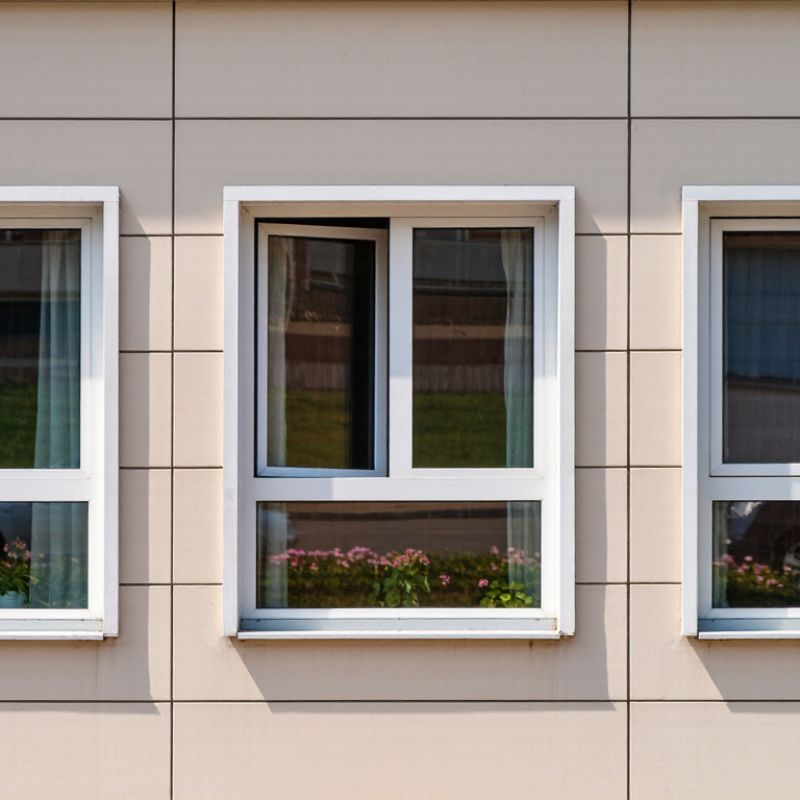
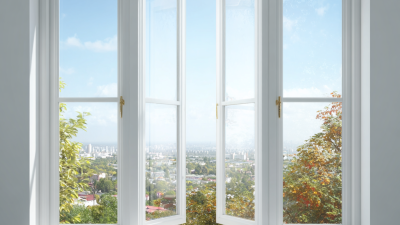
A double-hung window has two vertically sliding sashes: the lower sash moves upward, while the upper sash moves downward. This lets occupants adjust airflow from either opening. Warm air can escape through the top while cooler air enters below. Many models also tilt inward for cleaning, though that feature depends on the design. Look closely at the meeting rail, where the sashes overlap; worn seals there can mean drafts. A small detail, but an important one.
The window style alone does not determine energy performance. The U.S. Department of Energy’s Energy Saver guidance estimates that heat gain and loss through windows account for about 25%–30% of residential heating and cooling energy use. That makes the frame, glass, seals, and installation worth checking alongside the sash design. NFRC ratings help compare products using measures such as U-factor and solar heat gain coefficient. Lower U-factor generally indicates less heat transfer, while SHGC describes how much solar heat enters. Yet a rating is not a promise of comfort in every room; orientation, shading, and installation matter too. The shorthand can be misleading. A well-fitted double-hung window should slide smoothly, stay in position, and close firmly without forcing the sash.
Evaluating double-hung window manufacturers means looking beyond catalog photos. Compare documented air leakage, water resistance, structural performance, and thermal data for the specific window sizes you are considering. Test results are useful only when their methods and conditions are clear. A polished brochure proves little. Check frame materials, sash balance design, hardware quality, and whether replacement parts remain available. Installation guidance matters, too, because a well-made window can still perform poorly if its opening is measured or sealed incorrectly.
Tips: Request performance reports for the exact model, not just a similar product. Ask how the sash locks, tilts, and stays in position after repeated use. Look closely at corner joints and weatherstripping. These small details affect everyday comfort.
Warranty terms and service procedures reveal how a manufacturer handles problems after purchase. Read exclusions carefully, and ask who responds if a sash becomes difficult to operate. Online ratings can point to recurring concerns, but they rarely explain installation quality or local climate. Compare several sources. I would not treat one high rating as proof of durability. A fair evaluation weighs test evidence, construction details, repair support, and fit for the building’s exposure. The best choice may vary between a sheltered urban home and a windy, rain-exposed site.
A useful comparison of the top 10 double-hung window manufacturers worldwide should look beyond polished product photos. Double-hung designs allow both sashes to move, helping occupants adjust airflow from the top, bottom, or both. Check whether the sashes tilt inward for cleaning, and examine the balance system, locks, weather seals, and frame materials.
Small details matter. A stiff sash or uneven meeting rail can make daily use frustrating.
Manufacturers serving different climates may offer varied glazing, frame, and hardware options. Compare published performance ratings, warranty terms, replacement-part availability, and installation guidance.
Ask how the product is tested for air leakage, water resistance, and structural performance; ratings are most useful when they apply to the exact configuration being considered.
Fit matters most. Even a well-made window can underperform if the opening is measured poorly or the installation leaves gaps around the frame.
A worldwide ranking can help narrow the field, but it cannot account for every building, climate, or budget. Some comparisons may also overlook local service quality. Verify specifications and installer experience before choosing.
Double-hung windows differ most in frame material, sash design, and tested thermal performance. Vinyl frames usually need little upkeep, while wood offers a warmer interior finish but needs regular protection from moisture. Aluminum is strong and slim, yet conducts heat more readily unless the frame includes a thermal break. Fiberglass can resist expansion and contraction, though product construction still matters. Details count. Check the sash locks, weatherstripping, and balance system; a tight-looking sample does not guarantee a tight installed window.
Performance needs numbers, not material stereotypes. The U.S. Department of Energy’s Energy Saver guidance estimates that windows account for about 25–30% of residential heating and cooling energy use. The National Fenestration Rating Council rates products for measures including U-factor, solar heat gain coefficient, and visible transmittance. Lower U-factor generally means less heat transfer; SHGC helps indicate how much solar heat enters. Compare ratings for the same climate and glazing configuration. A triple-pane unit may improve insulation, but it can also cost more and reduce light.
A practical comparison should include air leakage, glass coatings, frame depth, and installation quality. Ask for the exact rated configuration, not a nearby model with different glass. Small gaps matter. It is tempting to rank frame materials alone, but that shortcut misses the sash seals and installation. Even strong ratings can disappoint when a rough opening is poorly flashed. I would treat any “best material” claim cautiously; performance depends on the whole assembly, and comparison tables rarely capture every site condition.
Choosing a double hung window manufacturer starts with your project conditions, not a catalogue photo. Measure each opening, note wall depth, and check whether existing trim must remain. The U.S. Department of Energy’s Energy Saver guidance estimates that windows account for 25–30% of residential heating and cooling energy use. Ask manufacturers for tested U-factor and solar heat gain coefficient ratings, then compare products suited to your climate. Lower numbers are not automatically better: a shaded northern façade and a sunny southern room may need different glass.
Check how the sash balances operate, how easily both sashes tilt for cleaning, and whether replacement hardware is available. Request air-leakage and water-penetration test results, plus installation instructions and written warranty terms. Details matter. A sample should feel smooth in your hands, with locks engaging cleanly and weatherstripping seated without gaps. Confirm frame dimensions, screen options, delivery schedules, and local service capacity before ordering. I would question a surprisingly low quote if it omits installation assumptions or glass specifications. That comparison is easy to miss, and it can affect comfort for years.
Call us at (516) 858-2492
for a free estimate or simply click the button below: