What Are the Top Storm Doors for Global Buyers?
Choosing the right Storm Door is not simply a matter of style or low price. Global buyers face different weather, building designs, and daily usage patterns.
A dependable door should handle wind, rain, heat, dust, and repeated opening. In a coastal home, stainless-steel hardware may resist salty air better. In colder regions, a tight seal can reduce drafts near the entryway. For warm climates, removable screens and adjustable ventilation can improve comfort. Small details matter.
This guide compares leading storm doors through practical features, not advertising claims. It considers frame strength, glass quality, mesh design, hinges, closers, locks, installation needs, and maintenance. Manufacturer specifications provide a starting point. Installer feedback and long-term user experience add valuable context.
A strong door should close smoothly without slamming. The closer should control movement during gusty weather. The handle should feel secure, even with wet hands. These details often reveal quality better than showroom photography.
Still, no model fits every market. A premium door may be unnecessary for a sheltered apartment entrance. A budget option may disappoint where strong seasonal winds are common. Buyers should also confirm measurements, compatible hardware, ventilation needs, and local product requirements before ordering.
This comparison aims to support careful decisions. It does not treat one feature as universally best. Real homes are different. Even experienced buyers can overlook installation conditions or future maintenance. By weighing evidence, climate, design, and daily use, global customers can find a Storm Door that offers practical protection and lasting value.
What Defines a High-Quality Storm Door for Global Buyers?
A high-quality storm door should match the climate, entrance, and daily traffic of its location. In field inspections, I look first at frame strength, hinge alignment, and seal compression. These details often reveal more than attractive product photos. Aluminum frames resist moisture, while reinforced steel offers stronger impact protection. However, material choice should reflect local weather and maintenance habits. Coastal buyers may need corrosion-resistant finishes and stainless-steel hardware. Cold-region buyers should inspect weather stripping and glass performance. Fit matters.
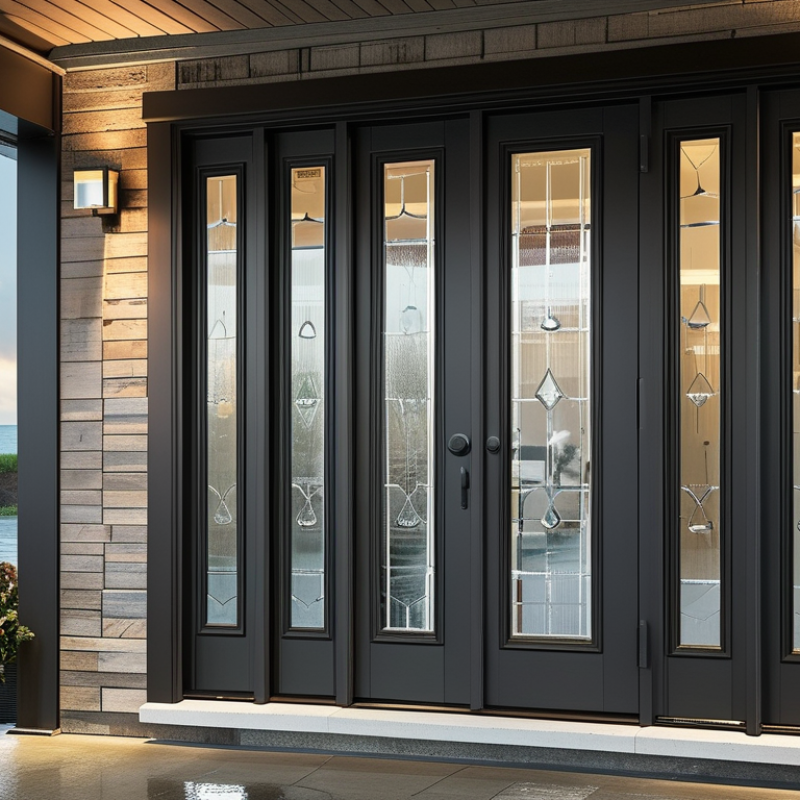
Reliable ventilation is also important. Adjustable screens can improve airflow during humid seasons without sacrificing basic protection. Tempered or laminated glazing may reduce injury risks if the panel breaks. A secure latch should operate smoothly, even with gloves. It should also support the entrance’s existing lock and emergency-opening requirements. Buyers should request test data for wind resistance, water penetration, and repeated operation. Certification is useful, but local building rules still require verification.
Installation quality can determine whether a good door performs well. Uneven thresholds may create gaps, rattling, or premature seal damage. I have seen buyers spend heavily on strong hardware, then lose performance through careless fitting. That mistake is easy to repeat. A qualified installer should check opening measurements, drainage paths, screw placement, and door swing. Replacement parts should remain available across the expected service life. No door is perfect. Even experienced buyers sometimes overvalue appearance and underestimate repair access. A dependable choice balances protection, ventilation, safety, and practical maintenance for the actual market.
How Storm Door Materials and Designs Suit Different Climates
What Are the Top Storm Doors for Global Buyers?
How Storm Door Materials and Designs Suit Different Climates
A storm door should match the climate, not only the house style. In coastal areas, aluminum frames with corrosion-resistant hardware handle salty air better. Fiberglass panels suit humid regions because they resist warping and swelling. In cold climates, insulated glass can reduce drafts near the entryway. I have found that tight weatherstripping matters as much as the door material. Small gaps become obvious during winter winds.
Hot regions need ventilation. A full-view design with a removable screen can improve airflow without losing protection. However, strong sunlight may heat glass and fade nearby flooring. A ventilated half-view design can be more comfortable in these locations. Mountain areas may require heavy-duty hinges and secure latches because sudden wind is common. I once underestimated wind pressure on a lightweight door. That choice needed replacing sooner than expected.
Tips:
- Check local wind and energy requirements before buying.
- Measure the opening at several points, not just once.
- Choose stainless or coated hardware near the sea.
- In snowy areas, keep the bottom sweep clear of ice.
- Confirm that the door opens safely around steps and furniture.
- Professional installation improves sealing, but even careful installers can miss uneven walls.
- Examine the frame after one season, then adjust your expectations and maintenance plan.
Which Security, Energy, and Ventilation Features Matter Most?
What Are the Top Storm Doors for Global Buyers?
Security, energy efficiency, and ventilation matter differently across climates and properties. A storm door should not replace a strong main entry door. It should add a practical layer. The FBI’s 2023 Crime Data Explorer recorded about 847,522 burglary offenses in the United States. This supports choosing reinforced lock areas, tamper-resistant fasteners, and durable hinges. Laminated glass can delay forced entry, while tempered glass helps reduce injury after breakage. Check the complete door assembly, not only the lock.
Energy performance deserves equal attention. The U.S. Department of Energy reports that low-emissivity storm windows may reduce heating and cooling costs by 12% to 33%, depending on climate and existing windows. Storm doors may deliver smaller savings, but tight weatherstripping and low-e glazing still reduce drafts. Look for tested U-factor and solar heat gain data. Numbers can be confusing. A lower U-factor generally means better insulation, while solar gain should match local conditions. Hot regions may need stronger solar control; cold regions may welcome more winter sun.
Ventilation is useful, but uncontrolled gaps are not. The U.S. Environmental Protection Agency states that indoor pollutant levels can be two to five times higher than outdoors. Adjustable screens, removable glass panels, and secure vent positions support airflow without leaving the entrance exposed. In humid climates, poor ventilation can encourage condensation and corrosion. That detail is often overlooked. No feature works perfectly everywhere. Installation quality, frame alignment, drainage, and regular seal inspection can matter more than an impressive specification sheet.
What Should Buyers Check Before Choosing an International Supplier?
Choosing a storm door for international projects starts with checking the supplier, not the product photo. Ask for technical drawings, material grades, corrosion test results, and verified performance data. A reliable supplier should explain frame thickness, screen strength, hinge design, and glass safety clearly. Vague answers create expensive problems later.
Request a physical sample when possible. Inspect its corners, seals, latch movement, surface finish, and drainage openings. Test how the door handles repeated opening and closing. Confirm dimensions in millimeters, packaging size, net weight, and loading capacity. Small errors matter. A door that fits a showroom may fail on a damp coastal site.
Check factory experience, quality-control procedures, production capacity, and inspection records. Ask who performs final checks and what happens when defects appear. Review warranty terms, replacement procedures, payment stages, lead times, and shipping responsibilities. Confirm export documents and product labeling before placing an order. Independent testing can strengthen trust, but documents should match the actual model. A supplier may provide impressive certificates for a different configuration. That detail is easy to overlook. Communication also deserves attention: delayed replies, unclear drawings, or changing specifications often signal future trouble. No supplier is perfect, so record every agreement and leave room for corrective action.