View all current promotions and packages! Click Here!
Nassau/Suffolk
(516) 858-2492
Blog

Why Choose Professional Patio Door Installation?

A patio door should bring in daylight, open smoothly, and close without drafts. Yet the result depends on more than the door itself. Patio Door Installation involves careful measuring, a level frame, secure fastening, and weather-resistant sealing. A small gap near the threshold can invite water or cold air. A door that sits out of square may slide unevenly or fail to latch properly.

Professional installers can assess the opening, identify signs of moisture damage, and follow the door manufacturer’s instructions. They also have the tools to handle heavy glass panels and adjust rollers, locks, and tracks. These details matter. Correct installation can help the door operate as intended and reduce avoidable problems, though it cannot guarantee that every future repair will be prevented. Product quality, existing wall conditions, and ongoing maintenance all play a part.

Hiring a professional is not automatically the right choice for every home or budget. Still, it can be valuable when an opening is unusual, the old frame shows rot, or the new unit is especially large. Ask what the estimate includes, how the opening will be protected during work, and whether labor is covered by a warranty. Get clear answers before work begins. Even experienced crews can encounter surprises behind old trim, so a thoughtful plan should allow for inspection and honest discussion—not just a fast finish.
Why Choose Professional Patio Door Installation?

What Professional Patio Door Installation Involves

Professional patio door installation starts before the old frame comes out. The installer measures the opening, checks the wall and sill for moisture damage, and confirms the new unit fits the actual space. Older homes are not always square. That can be easy to miss. A careful crew notes any uneven surfaces before ordering or setting the door, rather than hiding gaps with trim.

The door is positioned level, plumb, and square, then secured with suitable fasteners and shims. The sill and frame need properly integrated flashing and sealant to direct water outward. ASTM E2112 provides recognized practices for installing exterior doors and windows. The U.S. Department of Energy estimates that windows account for about 25–30% of residential heating and cooling energy use; a glazed patio door can also affect comfort, though actual results depend on the home, product, and installation.

Then comes testing. The installer checks that panels slide smoothly, locks engage, and weatherstripping meets evenly. They should also inspect the perimeter for visible gaps and explain any repair that the opening needs. A water check can help reveal leaks, but it is not a substitute for correct flashing. Small details matter. I would want the crew to document hidden damage before covering it, even if that adds time.

How Experts Assess the Opening and Select the Right Door

A patio door should fit the opening, not just the room’s style. A professional measures width and height at several points because older openings can be out of square. The sill, jambs, and header also need inspection for softness, moisture, or movement. Small differences matter. A door forced into a distorted frame may bind, leak air, or fail to latch smoothly.

Experts also consider exposure, drainage, and how the household uses the doorway. A low sill can improve access, while a sheltered opening may face different weather demands than a wind-exposed one. The U.S. Department of Energy’s Energy Saver guidance estimates that windows account for 25%–30% of residential heating and cooling energy use; this is a window estimate, not a patio-door-specific figure. Still, it shows why the glass and frame deserve careful selection. Check the National Fenestration Rating Council label for U-factor and solar heat gain coefficient (SHGC), then compare ratings with local climate and room orientation.

Measurements are not the whole story. Installers check whether the replacement can be anchored to sound framing and whether flashing can direct water outward. They may uncover damage only after removing the old unit. That can change the plan. It is worth asking how the installer will handle an uneven sill, air sealing, and interior trim before work begins.

How Proper Installation Protects Seals, Alignment, and Security

A patio door can look square while hiding a small installation error. A slight tilt may leave uneven gaps around the frame, letting air and rainwater reach the seals. Professional installers check the opening, sill, and frame before securing the door. They use levels and measured shims to keep the panels aligned. Small details matter.

When the frame is out of square, rollers can drag and locks may not meet cleanly. An installer can adjust the track and test the door through several full openings and closures. The weatherstripping should touch evenly, without being crushed or left loose. That helps limit drafts and moisture, though no installation can compensate for damaged seals or poor drainage around the opening.

Security also depends on alignment. A properly fitted panel should sit firmly in its track, and the lock should engage without force. Installers can check the fasteners and confirm that the frame stays stable as the door moves. Still, I have seen jobs where one final adjustment was missed; a slow, careful inspection can catch that. It is worth asking how the installer will verify the seal, movement, and lock before the work is considered complete.

Why Choose Professional Patio Door Installation? — How Proper Installation Protects Seals, Alignment, and Security

Installation priority What proper installation involves How it helps Signs to check after installation Potential issue if overlooked
Weather seals and water management The installer checks the opening, uses compatible flashing and sealants, and fits the door according to the product instructions. A continuous, correctly fitted seal helps limit drafts and water intrusion. Proper drainage details help direct incidental moisture outward. Weatherstripping makes consistent contact when the door is closed; there are no visible gaps, and the sill and exterior drainage paths are unobstructed. Gaps or poorly managed water can contribute to drafts, leaks, or moisture damage around the opening.
Frame alignment and operation The frame is positioned plumb, level, and square, then secured and adjusted so the panels move as intended. Correct alignment supports smooth sliding, even clearances, and reliable contact between the panels and seals. Panels open and close smoothly, remain in their tracks, and meet evenly without rubbing or leaving obvious uneven gaps. A frame that is out of square may cause sticking, uneven wear, difficult locking, or reduced seal contact.
Locking and security The door and lock are installed and adjusted in accordance with the manufacturer’s instructions, with the frame securely fastened to suitable structural material. Proper alignment lets the lock engage as designed. Secure fastening helps the frame remain firmly attached to the building structure. The lock engages without forcing the panel, the keeper lines up correctly, and the frame feels stable during normal operation. Misalignment or inadequate fastening can make locking difficult and may compromise the intended security of the assembly.
Threshold and opening preparation The existing opening and sill are assessed for condition, dimensions, and level before the door is fitted; repairs are made when needed. A suitable, stable base supports the frame and helps the threshold sit evenly. The threshold is stable, the frame is not visibly twisted, and the door operates without catching at the sill. An uneven or deteriorated opening can affect alignment, operation, and the fit of the seals.
Final checks and adjustments The installer tests panel movement, lock engagement, clearances, and visible seal contact, then makes adjustments as needed. Testing can reveal installation issues before they become harder to diagnose or correct. The door completes several open-and-close cycles smoothly, closes fully, and locks without unusual force. Without a functional check, problems such as rubbing, incomplete latching, or uneven gaps may go unnoticed.

Installation requirements vary by door design, opening condition, and local building requirements. Always follow the door manufacturer’s installation instructions and applicable codes.

Which Tools and Techniques Ensure a Reliable Fit

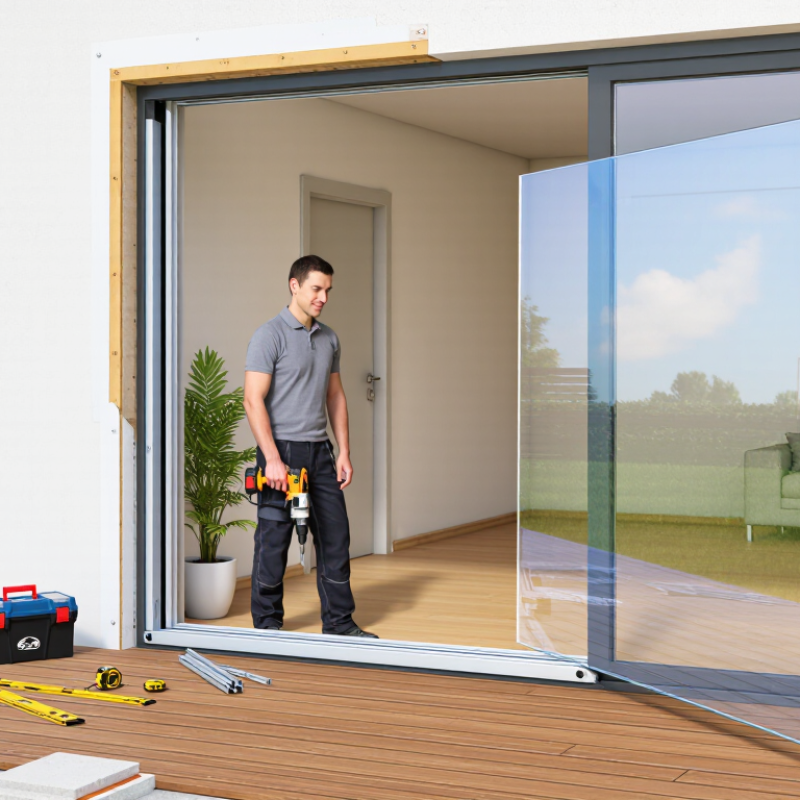
A reliable patio door fit starts with careful measurement, not a quick glance at the opening. Installers measure width and height in several places because older walls may be uneven. They compare diagonal measurements and use a framing square to detect a frame that is out of square. Small differences matter. A long level helps keep the sill level and the jambs plumb, while firm shims prevent the frame from shifting during fastening. Even then, an opening can be stubborn.

Before setting the door, a professional checks the sill for damage and installs suitable flashing to guide water outward. After placing the frame, the installer secures it according to its instructions, checking alignment as each fastener goes in. Low-expansion foam can fill narrow gaps, but excess foam may bow the frame. That mistake is easy to make. The installer then tests the panels repeatedly, checking for smooth travel, even spacing, and a latch that engages without force. If the door sticks, the frame may need adjustment before trim hides the gap.

How Professional Work Supports Long-Term Performance and Warranty Compliance

A patio door is a moving part of the home’s weather barrier. Its long-term performance depends on more than the door’s rating. The sill must sit level, the frame must remain square, and flashing must direct water away from the wall. A professional installer checks these details before sealing the opening. They also document the work and follow the manufacturer’s installation instructions, which can matter when warranty coverage depends on correct installation. Read the warranty terms; requirements vary. Details matter.

The U.S. Department of Energy’s Energy Saver guidance estimates that heat gain and loss through windows account for 25–30% of residential heating and cooling energy use. That figure covers windows broadly, not patio doors alone, but it shows why gaps around a large glazed opening deserve attention. ENERGY STAR reports average energy-bill savings of 12% nationwide for certified windows, doors, and skylights compared with non-certified products; actual savings depend on the home and product. A certified product still cannot compensate for poor fitting. Even a careful crew can miss a detail. A final check for smooth operation, consistent weather seals, and signs of water intrusion helps catch problems early. Ask for installation records and clarify what the installer’s workmanship coverage includes.

Wait! You Forgot Your Free Estimate!

Call us at (516) 858-2492
for a free estimate or simply click the button below:

Submit Request Form
adelphic tracking pixel